
Reviewed · GOBUSTAN NATIONAL PARK
Qobustan rock arts, Mud Volcanoes, Fire temple Ateshgah, Yanardag
This excursion is built around a simple idea: Azerbaijan’s famous fire stories have real, physical causes. You’ll connect the dots between burning natural gas and Zoroastrian fire worship, then finish with mud volcanoes and UNESCO rock art.
I really like how the tour keeps a clear storyline from start to finish, so the day feels like one continuous explanation, not four random stops. I also like the private-group setup plus air-conditioned transport, WiFi, and a professional multilingual guide who explains the sites clearly and in a friendly way.
One thing to consider is that the schedule is outdoors for major portions, and the experience requires good weather. If the day is rainy or rough, you may get a different date or a full refund.
Key highlights you should care about
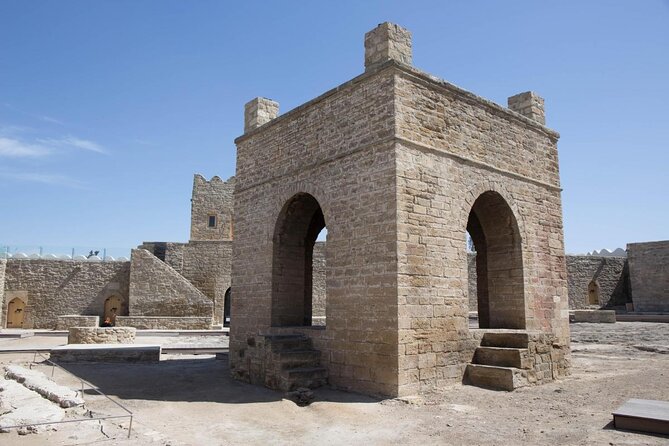
- Ateshgah’s Eternal Fire: burning gas outlets tied to long traditions of Zoroastrian and later Sikh and Hindu community links
- Yanar Dag’s eternal flame: a mountain flame people long associated with divine power
- Mud volcanoes concentrated in Azerbaijan: 350 of the world’s 800 mud volcanoes are here, with eruptions linked to oilfields
- UNESCO Qobustan: over 6,000 rock drawings on about 1,000 rocks, plus 100,000-plus artifacts and an open-air setting
- A guided day that stays coherent: you’ll get the why behind the names, not just the where
Turning Fire Myths Into Real-World Stops, From Baku
If you only have a short time in Baku and want a day trip that actually teaches something, this route is a smart match. The stops share a theme, and the theme is not just religion as a museum topic. It is the physical environment of Azerbaijan, where natural gas and ground activity are visible, dramatic, and hard to ignore.
The tour runs about 9 hours, which means you will feel it as a full day. The upside is that you get multiple “signature” sites without having to plan separate transportation, tickets, or timing on your own.
You also get a practical comfort mix: an air-conditioned vehicle, WiFi on board, and a private group limited to up to 7 people. That matters because the long road between Baku and the region can feel tedious when you are bouncing between many independent stops.
More trips to the burning mountain:
- Baku: Gobustan, Volcanoes, Fire Temple and Yanardag Day Trip
★ 4.7 · 433 reviews - Gobustan & Mud, Fire Temple, Burning Mountain (Group & Private)
★ 4.5 · 418 reviews - Gobustan, Mud volcanoes, Fire temple, Fire mountain PRIVATE TOUR
★ 5.0 · 47 reviews
Ateshgah Fire Temple: Eternal Flame, Gas Outlets, and the Many Layers of Worship
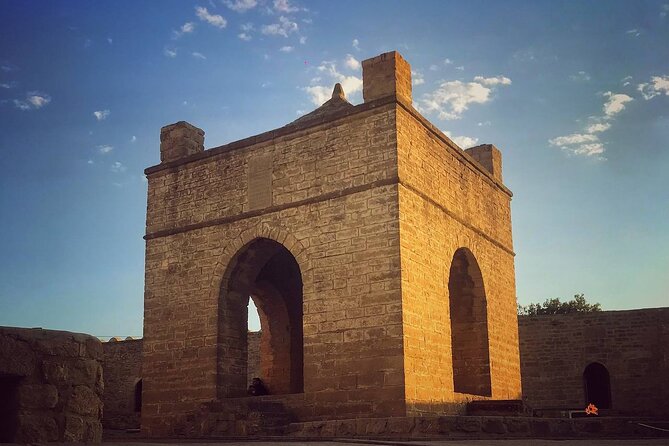
Your first major stop is Ateshgah, also called the Temple of Eternal Fire. The core idea here is refreshingly concrete: underground natural gas rises to the surface, meets oxygen, and burns. The phenomenon is simple, and that is exactly why it became sacred.
The structure you see today dates to the 17th to 18th centuries. It was built by a Baku-based Hindu community linked to Sikhs, but the place’s meaning stretches back much further. Long before the present buildings, the site functioned as a holy place for Zoroastrians, fire worshippers dating to around the beginning of our era.
What I like about starting here is that it gives you a reference point for the rest of the day. After you stand in front of a burning-gas phenomenon that people treated as sacred, the later flame sites make more sense. You stop thinking, Wait, is this just a scenic myth, and start thinking about how belief forms when nature is literally visible.
Practical note: this is not a long stop. You spend about 30 minutes there. That is enough time to understand what you are looking at and take a few solid photos, but not enough for a slow, lingering architecture-by-architecture study.
Yanar Dag: The Mountain Flame That Shaped a Belief System
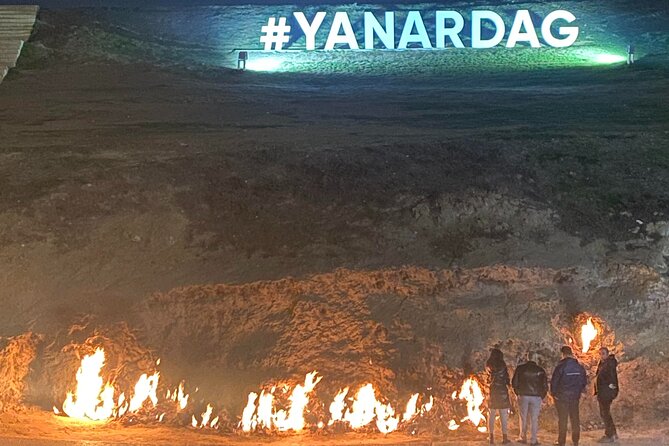
Next comes Yanar Dag, one of Azerbaijan’s most famous “eternal flame” locations. The whole point is the same basic physical process as Ateshgah, but the setting changes. Here, the fire appears on a mountainside, and that geography makes the phenomenon feel even more dramatic.
In the story you get on this trip, fire was treated as a visible sign of divine power. People did not just see fire as a hazard or a curiosity. They saw it as a manifestation of something higher, and they built altars and temples around these sources.
Your time here is shorter, about 15 minutes. That is not a problem if you go in with the right mindset. Treat it like a quick “aha” stop: you are there to witness the flame and connect it back to what you learned at Ateshgah.
Also, if you are hoping for a huge, complex visitor experience, manage expectations. This is about the flame and the surrounding interpretation. You are not spending hours in a museum setting. You are stepping into a place that has done the same job for generations, to make fire feel personal and spiritual.
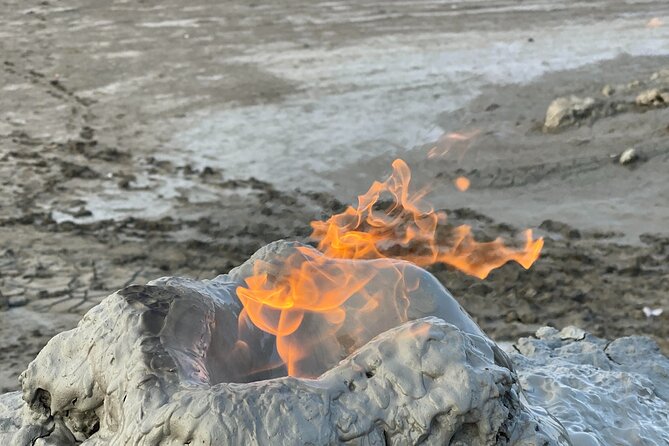
Mud Volcanoes: 25 Million Years, Oilfields, and Geology You Can See
Then the day shifts from flames to earth science with a stop at the mud volcanoes. Azerbaijan holds an unusually large share of the world’s mud volcanoes: 350 out of 800. That statistic alone is a reason to put this on your shortlist if you like geology, but the better reason is what it does for understanding the region.
The tour explains that mud volcano activity began in this territory about 25 million years ago. And the reason you get mud eruptions here is tied to deeper processes, especially oilfields. Mud volcanoes are associated with oil and gas deposits, which are found in areas such as Lokbatan, Garadgh, Neft Dashlari, Mishovdagh, and others.
Here is the practical takeaway: you are looking at natural activity that connects geology, energy resources, and industries. The information you get also notes that eruptions produce materials used in chemical and construction industries and even in pharmacology. Whether you care about the science end or the industry end, the link helps you see mud volcanoes as more than a quirky roadside stop.
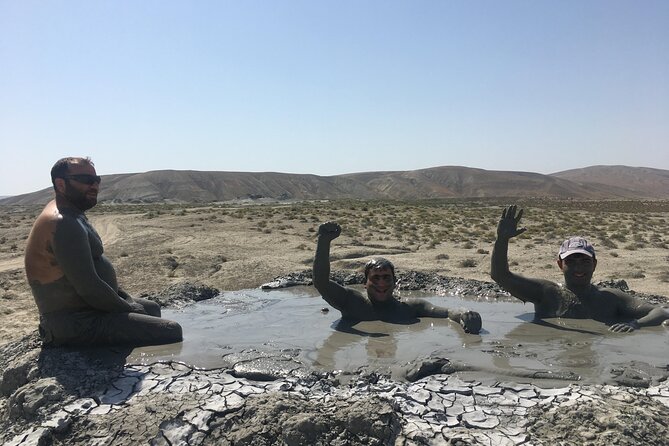
You spend about 1 hour here, which is a good amount of time. It gives you room to walk around, look for views depending on how the area is set up that day, and listen to the guide’s explanations without feeling rushed.
One more helpful point: these are earth-and-weather sites. If conditions are bad, your footing and what you can see may be limited. Plan to wear comfortable shoes you do not mind getting dusty, because this is not a clean, paved museum courtyard kind of place.
Other visits to the Ateshgah fire temple:
- Gobustan-Mud Volcan-Fire Temple and Mountain Tour/Entrance inc
★ 5.0 · 267 reviews - Gobustan & Mud, Fire Temple, Burning Mountain, H.A. Center
★ 4.6 · 46 reviews - Ateshgah Fire temple and Burning mountain tour
★ 4.5 · 42 reviews - Baku: Gobustan, Mud Volcanoes, Fire Temple, & Yanar Dag Tour
★ 4.8 · 36 reviews
Qobustan National Historical-Artistic Preserve: UNESCO Rock Art in an Open-Air Museum
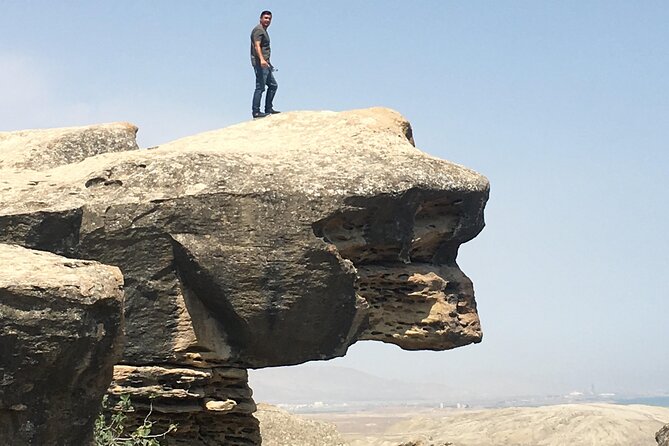
After the geology, you move to the oldest human layer of the story at Qobustan. The Qobustan National Historical-Artistic Preserve Museum is about 60 km from Baku, and it is an open-air museum and UNESCO World Heritage site.
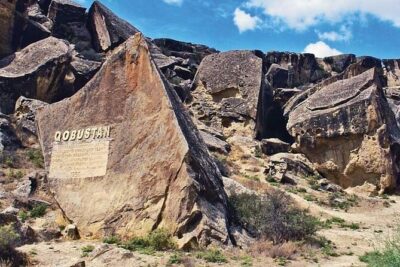
The numbers here are the kind that make you stop and recalibrate what you mean by “ancient.” The site includes more than 6,000 drawings on around 1,000 rocks, and it also holds more than 100,000 artifacts. That density matters. You are not just looking at a few scattered carvings. You are walking through a place where rock art is the main event.
Qobustan is UNESCO-listed for the outstanding universal value of its rock art engravings and their density. On the tour, the guide’s job is to help you actually interpret what you are seeing. You are not only there to say, Yes, people used to draw on rocks. You are there to understand that the region was used by ancient humans and to build context for how they left traces here.
This stop is around 1 hour. That is a realistic time window for an open-air site. You can get a strong overview without turning the day into a long slog.
The biggest value of Qobustan for many visitors is emotional, not just intellectual. Standing near the petroglyphs makes the idea of deep time feel immediate. Even if you do not read the carvings like a professional historian, the guide’s explanations give you hooks to look differently and notice patterns.
Price and Logistics: Is $250 Worth It for Up to 7?
The price is $250 per group, up to 7 people. That is a key detail for value. If you are traveling solo, it will feel higher on a per-person basis. If you are coming with friends or family, it can become a very solid bargain compared to separate taxis plus individual guides plus multiple paid tickets.
You also get several “hidden” cost helpers. The tour includes an air-conditioned vehicle, private transportation, and WiFi on board. Those sound small until you are on the road for much of the day and want a smoother, more comfortable ride.
A second value point is the guide. You are promised a professional & multilingual guide, and the experience is described as having friendly, clear explanations. That matters on a day like this, because you are dealing with religion history, natural phenomena, and rock art interpretation. Without guidance, parts of it can feel like name-checking.
About museum and admission fees: the itinerary lists admission as free at the stops, but the tour information also states that museum tickets are not included, with a total cost of about $15 USD per person. In plain terms, budget for a small entrance fee, especially for the museum portion. If you want to be extra safe, plan on paying a modest amount on site.
How the 9-Hour Timing Works in Real Life
The itinerary breaks down into short site visits with travel between them. You have roughly 30 minutes at Ateshgah, 15 minutes at Yanar Dag, about 1 hour at the mud volcanoes, and about 1 hour at Qobustan. The rest of the day is road time.
That pacing is good if you want variety and context in one shot. It is not ideal if you like slow, camera-first exploration where you spend long minutes studying a single structure.
It is also why I recommend bringing a practical mindset. You are going to see a lot, but each stop has a “check in, learn fast, look closely, move on” rhythm.
One more factor: the tour requires good weather. Outdoors sites like these are best with clear visibility, dry ground, and comfortable temperatures. If conditions are poor, the operator may offer a different date or a full refund.
What to Bring and How to Prepare
Since this day includes open-air sites and active natural areas, keep your packing simple and functional.
- Wear comfortable shoes with grip. Mud volcano areas and rock art zones are not designed for slick-soled fashion sneakers.
- Bring a light layer. Even in warmer months, conditions can change through the day, and you will spend time outside.
- Use sunscreen and basic sun protection. You will have enough outdoor time that you will feel exposed if you skip it.
For photos, think in terms of getting wide context shots at each flame and rock art location, then a few close details when your guide explains what you should look for. This kind of day rewards curiosity more than perfection.
Who This Tour Fits Best
This is a strong fit for you if:
- you have only a short visit to Baku and want a structured day away from the city
- you enjoy connecting cultural beliefs with natural phenomena
- you like a mix of religion history, geology, and UNESCO heritage in one plan
It is also a good option if you prefer not to coordinate multiple tickets and transfers yourself. The day is run as a private group experience with pickup offered and a vehicle that keeps you comfortable.
The tour notes that most travelers can participate and service animals are allowed. If you are traveling with a companion who needs support, the private format also tends to be easier to manage than a large public group.
Should You Book This Fire, Mud, and Rock-Art Day?
I think this is worth booking if you want a high-impact, meaning-heavy day trip from Baku. You get the story of Zoroastrian fire worship anchored to real burning gas outlets at Ateshgah, you see the “eternal flame” concept at Yanar Dag, and you finish with both earth drama (mud volcanoes) and human traces (UNESCO rock art at Qobustan).
If you hate rushed schedules or you need long stretches at a single site, you might find the short stops too brief. But if you like variety, clear explanations, and a coherent theme from start to finish, this is one of the better-value ways to spend a day outside the city.
FAQ
What is the duration of the tour?
The tour lasts about 9 hours.
Is pickup from Baku included?
Pickup is offered.
Is the tour private?
Yes. It is private, and only your group participates.
Is WiFi provided?
Yes, WiFi is provided on board.
Are museum or entrance tickets included in the price?
The itinerary lists admission as free at the stops, but the tour information also says museum tickets are not included, with a total cost of about $15 USD per person.
Do I need good weather for this experience?
Yes. The tour requires good weather. If it is canceled due to poor weather, you will be offered a different date or a full refund.
What sites are visited during the tour?
You visit Ateshgah (Fire Temple), Yanar Dag (eternal flame), mud volcanoes, and the Qobustan National Historical-Artistic Preserve Museum.
What are the operating hours?
The tour runs Monday through Sunday from 9:00 AM to 6:00 PM.
What is the cancellation policy?
You can cancel for free up to 24 hours in advance for a full refund. If you cancel less than 24 hours before the start time, the amount you paid is not refunded.
More of Gobustan National Park
- BEST Gobustan, Volcanoes & Absheron Fire Tour (Group or Private)
★ 5.0 · 1,254 reviews - Gobustan and Absheron tour (All inclusive)
★ 5.0 · 1,014 reviews - Baku: Gobustan Absheron Tour Entry Tickets included
★ 4.9 · 329 reviews - Baku: Gobustan-Absheron Tour with Hotel PICK UP and DROP OFF
★ 4.8 · 170 reviews
More Mud Volcano Trips
- Baku: Gobustan, Mud Volcano, Fire Mount, Temple Lunch Entry
★ 4.9 · 3,246 reviews - Baku:Gobustan Mud Volcanoes Temple & Entry tickets included
★ 4.8 · 178 reviews - Baku: Half-Day Gobustan and Mud Volcanoes Tour with Entry
★ 4.7 · 144 reviews - Mud Volcanoes & Gobustan tour (Group & Private)
★ 4.5 · 59 reviews
Latest Baku reviews
- Gobustan Magic of Mud Volcanoes and Ancient Petroglyphs★ 5.0 · 3 reviews
- Gobustan Tour and Mad Volcanoes – tour to stone age★ 5.0 · 3 reviews
- Gobustan & Mud Volcano★ 4.5 · 3 reviews
- A Full Day Adventure: Khinalug, Guba & Candy Mountains Tour★ 5.0 · 3 reviews
- All destinations included Baku city tour for 1 day★ 5.0 · 3 reviews
- A Private Day Trip to Shahdag Ski Resort★ 5.0 · 3 reviews
- Small-Group Day Trip to Gobustan, Mud Volcanoes, Ateshgah & Yanar Dagh★ 4.5 · 3 reviews
- Private Sheki Tour – Four Regions of Azerbaijan in one day★ 5.0 · 3 reviews
Gobustan National Park, compared.
Gobustan, Mud Volcano, Fire Mount, Temple Lunch Entry
Read our review →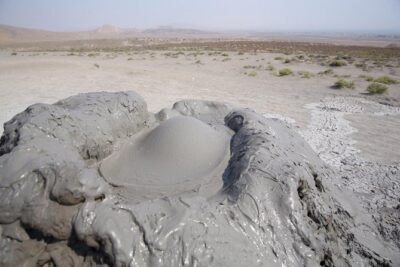
BEST Gobustan, Volcanoes & Absheron Fire Tour (Group or Private)
Read our review →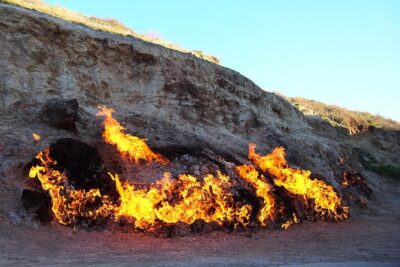
Gobustan, Volcanoes, Fire Temple and Yanardag Day Trip
Read our review →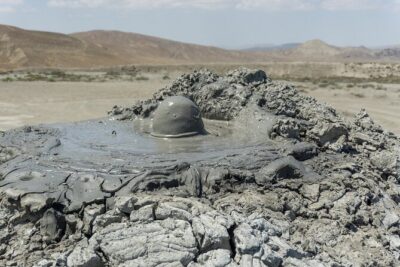
Gobustan & Mud, Fire Temple, Burning Mountain (Group & Private)
Read our review →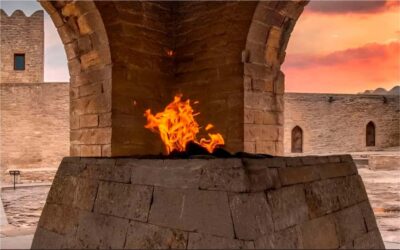
Mud Volcan-Fire Temple and Mountain Tour/Entrance inc
Read our review →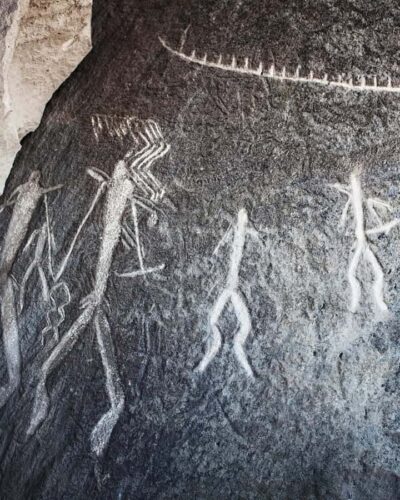
Gobustan Mud Volcanoes Temple & Entry tickets included
Read our review →Browse the lists this tour appears in