
Reviewed · LAHIJ VILLAGE
Lahij – village of masters
Lahij is interesting because it feels like a working medieval craft town, not a staged “look but don’t touch” stop. I love the hands-on vibe around hereditary blacksmiths, where cold steel and metal utensils get made through generations of know-how. If you care about how things are made, Lahij is the kind of place that makes you slow down.
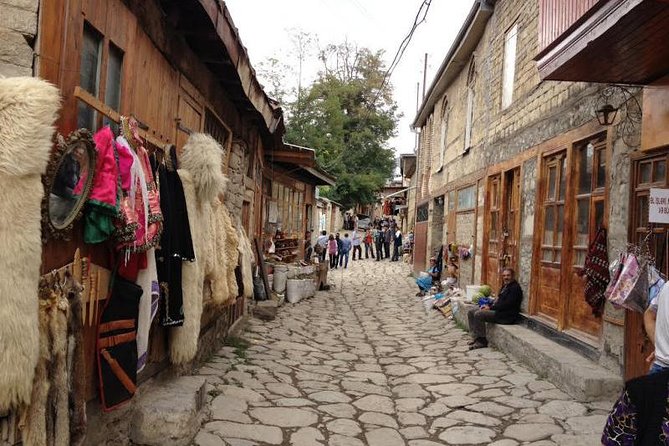
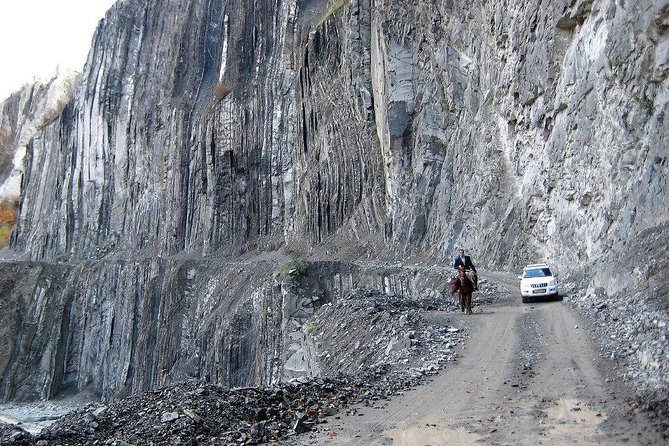
I also like the odd, convincing details, especially the claim about a water supply and sewerage system dating back about 1,500 years. With guides like Anar or Habib, the walk through cobbled streets and squares comes with humor and clear explanations, so the craft traditions make sense. One consideration: the route to the village can feel risky under rocky mountains, and the village itself has uneven streets, so plan for solid, grippy shoes.
Key highlights you will actually care about
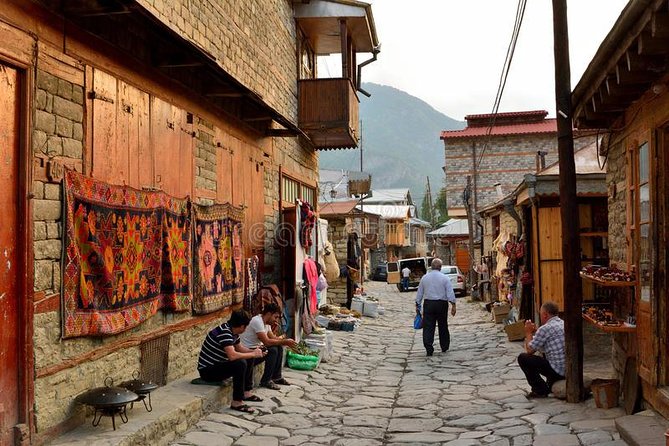
- Hereditary blacksmith work tied to cold steel and everyday household items
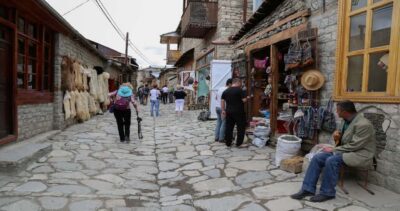
- Cobbled lanes and squares that shape how the village feels as you wander
- Copper and engraved ornament made alongside other crafts like pottery and woodwork
- A claimed 1,500-year water and sewerage system that adds a surprising engineering angle
- Guides like Anar and Habib who keep the day moving with real local knowledge
- Free admission for the main Lahij visit, so your budget goes to your time there
Lahij Village of Masters: the kind of place you learn by looking
Lahij is one of those Azerbaijani stops where you do not just see artifacts. You see the craft mindset at work. The village is known for trades that sit close to daily life: metalwork, copper utensils with engraved patterns, leather items, embossing, and even the coordination of pottery and woodcarving.
What I appreciate most is that the craft tradition is not treated like a performance. It is described as a living network of workshops, including hereditary blacksmiths who still make household items. That matters because it turns your visit into something more practical: you start noticing process, tools, and technique instead of just chasing photos.
Other visits to Lahij:
- 2 days 1 Night Shamakhi – Gabala – Lahij – Sheki Tour ( Northern Route)
★ 4.5 · 18 reviews - Shamakhi & Lahij Tour
★ 5.0 · 12 reviews - Independent tour to Shamakhi & Lahij
★ 5.0 · 7 reviews
Getting there from Baku: plan for a full day, not a quick stop
This is a 10 to 12 hour experience in the Baku area, with pickup offered. That time adds up, so go in with the right mindset. Think of it as a day built around one main place, plus the driving and the guided pace to make the village make sense.
The tour runs for groups up to 6 travelers, and your booking is priced per group up to 3. If you are traveling as a pair, this can still be good value, but it is easiest to think of as a day trip you share with friends or family.
A practical tip: wear shoes you trust. Even if the “danger” people mention is mostly about the road feeling exposed, you still end up moving around on old streets. Cobblestones look charming on camera, but they can be hard work over time if your footwear is too soft or slippery.
Your starting point at Lahic Guest House
Your first stop is Lahic Guest House, which serves as the entry point for the Lahij visit. The timing for this part is about 4 hours, so you get real time for orientation and walking rather than a rushed walk-by.
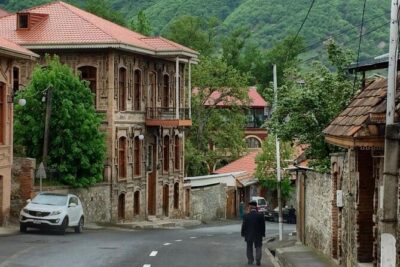
This is also where the village’s craft reputation comes into focus. You get the big picture: Lahij is described as a medieval town with cobbled streets and squares, and it has long been known as a trading and shopping center for crafted goods. From there, the details get specific, like copper work and the engraved ornament that decorates utensils.
Admission for this main visit is free, which is worth noting for value. You are paying for the guided experience and the day plan, not for entrance fees stacked on top.
The craftsmen you come for: copper, cold steel, leather, and embossing
Once you are oriented, the day turns into a craft walk. Lahij is linked to multiple traditions, including potters and wood carvers, but metalwork is the headline. You hear about articles made of copper and leather, and about embossing that turns flat materials into patterned surfaces.
The standout reputation is tied to cold steel and copper utensils, including engraved ornaments. That combination matters because it tells you Lahij is not only a place for decorative objects. It is a place for utilitarian items made with style, so the craftsmanship shows up in tools and household goods as well as in objects meant for display.
This is also one of the best parts of the day: you are not asked to guess what you are seeing. With a good guide, you get context for why certain designs are used and what the workshops are known for. In the feedback, guides named Anar and Habib are praised for knowing their job and keeping the day lively and not boring.
More Baku days worth putting side by side
- Baku: Gobustan, Mud Volcano, Fire Mount, Temple Lunch Entry
★ 4.9 · 3,246 reviews - Baku: Guba, Shahdag, Laza & Lunch w/ Free City & Night Tour
★ 4.8 · 1,455 reviews - BEST Gobustan, Volcanoes & Absheron Fire Tour (Group or Private)
★ 5.0 · 1,254 reviews - Gobustan and Absheron tour (All inclusive)
★ 5.0 · 1,014 reviews
What to watch for as you wander the cobbled streets
Your walking pace is part of the experience. The village’s cobbled streets and small squares change how you experience craft. You get frequent sightlines into workshop activity and the flow of people moving through the quarter.
Here is what I would watch for, because it helps you understand the place rather than just pass through it:
- How different crafts sit side by side, so the same route might show copper work and other materials a few steps apart
- The way designs repeat across metal utensils, especially engraved patterns
- The “household” focus, since the blacksmith work is described as producing items for daily life
If you have even a small interest in design or making, Lahij gives you a practical education. It is not just art talk, it is about materials, patterning, and function.
The surprising engineering detail: the 1,500-year water and sewerage system
One of the most memorable aspects of the Lahij story is the claim about the village’s water supply and sewerage system. You are told it has been in place for at least 1,500 years, with the first quarter of the town laid in the III-IV centuries.
That detail changes how you interpret everything else. When a place has that kind of infrastructure, it suggests a settled, planned community with real governance and long-term maintenance. It is not only a “craft cave in the mountains” vibe.
There is also a very human oddity mentioned: residents do not know where the sewerage starts and where it ends. That kind of detail is exactly why the story sticks. It adds a mystery without needing you to stretch the facts beyond what is offered.
The role of your guide: why the day can feel light or heavy
This tour lives and dies by the guide. The day is long, and Lahij is small. If your guide is dry, you might rush. If your guide is sharp, you slow down and start connecting dots.
In the feedback, Anar is praised for a good sense of humor, and Habib is praised for knowing his job. That is not just “friendly guide” praise. It is practical. Humor helps you handle the travel day. Strong knowledge helps you understand what you are seeing in workshops and why certain crafts matter in Lahij’s identity.
So, how should you judge your guide in the real world? Look for whether explanations match what you are standing next to. If the information stays general, the village can feel like a backdrop. If the guide ties details to specific objects and workshop traditions, the place starts to click.
Price and value: $400 per group can be smart if you split it
The price is $400 per group, up to 3 people, for a day around 10 to 12 hours, with pickup offered. To judge value, I look at three things: what you get, how hard it is to do on your own, and how many people you share the cost with.
On value, this is good for a few reasons:
- You get a guided experience in a craft village where context matters
- You get pickup, which removes the hassle of planning transportation for a long day
- Admission for the main stop is free, so the cost is mainly your day plan and guide time
Cost math is simple. If you book as 3, you are effectively paying about $133 per person for the day. If you book as 1 or 2, the per-person cost rises, so it makes more sense when you really want the guide and the organized timing.
Also, group size is capped at 6 travelers, which often means you are not stuck behind a large crowd. In a small craft village, that kind of pacing makes a difference.
Who should book this Lahij day trip
This tour is for you if you like:
- Handcraft traditions tied to real materials like copper and metal
- A guided day where you learn what you are looking at
- Quiet, slow wandering through old streets and small squares
It is also a good fit if you want a day trip that does not feel like a checklist. Lahij is about one place, one story, and enough time to notice details.
You might consider a different option if you hate long travel days, or if walking on uneven cobbles is a problem. Also, if you are extremely sensitive to road conditions, remember that the approach is described as feeling dangerous under rocky mountains.
Should you book: yes, with the right expectations
I think you should book this if you want an old-world craft village with real context. The strongest reason is simple: Lahij is presented as a place where blacksmiths and other masters keep working, not just posing. Add the long-time infrastructure detail and guides like Anar or Habib, and you get a day that teaches as it entertains.
Do not expect big monument stops. Instead expect a guided walk through the village’s crafts and its old street feel, with time to absorb stories about copper work, engraved ornament, cold steel, and even the claimed 1,500-year water and sewerage system.
FAQ
How long is the Lahij village of masters tour?
It runs about 10 to 12 hours.
Is pickup included?
Pickup is offered.
How many people are in the group?
The experience has a maximum of 6 travelers.
Is admission charged for the main stop?
Admission is free for the Lahic Guest House stop.
What does the tour price cover?
The price is $400 per group (up to 3). The experience includes the guided visit and the day plan; pickup is offered.
Will I get a ticket on my phone?
Yes, a mobile ticket is provided.
Can I cancel for a full refund?
Yes. You can cancel up to 24 hours in advance for a full refund.
Who might be my guide?
Guides are not guaranteed by name in the details, but the experience has been associated with guides named Anar and Habib who are praised for their knowledge and humor.
Latest Baku reviews
- Gobustan Magic of Mud Volcanoes and Ancient Petroglyphs★ 5.0 · 3 reviews
- Gobustan Tour and Mad Volcanoes – tour to stone age★ 5.0 · 3 reviews
- Gobustan & Mud Volcano★ 4.5 · 3 reviews
- All destinations included Baku city tour for 1 day★ 5.0 · 3 reviews
- A Full Day Adventure: Khinalug, Guba & Candy Mountains Tour★ 5.0 · 3 reviews
- Small-Group Day Trip to Gobustan, Mud Volcanoes, Ateshgah & Yanar Dagh★ 4.5 · 3 reviews
- A Private Day Trip to Shahdag Ski Resort★ 5.0 · 3 reviews
- Private Sheki Tour – Four Regions of Azerbaijan in one day★ 5.0 · 3 reviews
Lahij Village, compared.
2 days 1 Night Shamakhi – Gabala – Lahij – Sheki Tour ( Northern Route)
Read our review →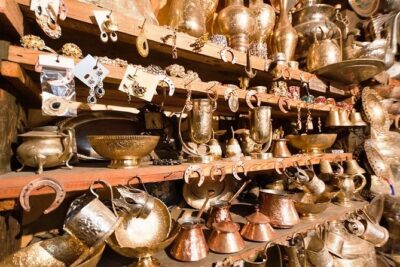
Azerbaijan tour in 2 days/Sheki+Lahij+Gabala up to Georgia Border
Read our review →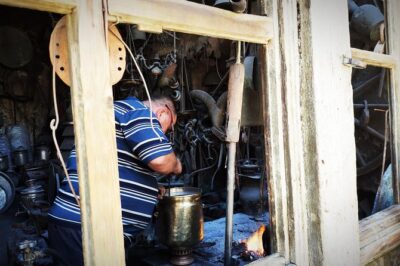
Browse the lists this tour appears in