
Gobustan Rocks and the Fire Temple of the Absheron Peninsula is interesting because it stitches together three different kinds of Azerbaijan in one day: ancient rock art at Gobustan, strange natural mud eruptions, and those gas-fueled flame sites near Baku. I love how the day moves from UNESCO petroglyphs to natural fire sights without feeling rushed. I also like that the tour includes air-conditioned transport and a guide who helps you connect the dots. One thing to consider is that several key entries are extra, so you will want cash ready for the on-site fees.
The ride is long enough to feel like a real outing, starting at 9:00 am and running about 5 to 7 hours, with pickup available. The group stays small, up to 30 people, and the tour is rated very high based on recent feedback, with guides named such as Aydin, Murad, Tim, Kamal, Behram, and Aziza. If you are sensitive to heat or long walks on uneven ground, plan your pace and wear good shoes.
Key highlights you should not miss
- Gobustan UNESCO rock art you can see in both an indoor museum setting and an outdoor rock-art area
- Mud volcanoes where bubbling ground erupts with mud, water, and gases
- Ateshgah Fire Temple tied to Zoroastrian heritage, with flames fed by natural gas seeps
- Yanar Dag Burning Mountain where you can watch fire from subterranean gas on a hillside
- A strong Baku opener with quick time at Baku Boulevard and the world’s first oil well
- Guide-led storytelling that can make the day feel connected, with names like Tim, Murad, and Aziza showing up in recent notes
Why this day tour works: UNESCO art, mud, and fire in one run
This is the kind of trip that makes sense for limited time. You are not only ticking off sites, you are watching one country’s story unfold in different forms. Gobustan gives you prehistory in stone, mud volcanoes show a natural system still active today, and the fire temples explain why people here built spiritual meaning around what is basically underground gas.
The structure also helps. You start with a gentle Baku warm-up, then head west toward Gobustan, then come back for the Absheron flame sites. Even if you only have one day outside the city, you still get a full arc.
I also like the practical value of the format: you get professional guide support plus comfortable transportation. That matters when sites are spread out and you want the meaning without doing extra guesswork.
Other visits to the Ateshgah fire temple:
- Baku: Gobustan, Volcanoes, Fire Temple and Yanardag Day Trip
★ 4.7 · 433 reviews - Gobustan & Mud, Fire Temple, Burning Mountain (Group & Private)
★ 4.5 · 418 reviews - Gobustan-Mud Volcan-Fire Temple and Mountain Tour/Entrance inc
★ 5.0 · 267 reviews
Baku Boulevard first: a fast way to feel the Caspian Sea vibe
You begin with a stop along Baku Boulevard, the long seaside promenade by the Caspian Sea. This is a smart opening because it gets your bearings fast. You get sea views, a landscaped walk, and a lively setting that feels very Baku.
You will also pass by the kind of attractions people mention there, like the Ferris wheel area and the Carpet Museum zone. The tour time here is short, about 15 minutes, so treat it as orientation rather than a full stroll marathon.
If you want photos, this is a good moment to get them early when you are still fresh. If you burn fast in the sun, this stop is also a reminder to bring water and protect your face, because later you will spend more time outdoors.
The world’s first oil well: history in a 20-minute photo-and-learn stop
Next is the world’s first oil well, one of those places that sounds like a headline and then turns into a real history anchor. The big idea here is that this is the birthplace of the oil industry, and Azerbaijan’s role in the global oil story began from this point.
The time is about 20 minutes, so the visit is meant to be focused. You are not trying to read everything in one go. Instead, you want the key takeaways: how oil shaped industry and why this part of Baku became important beyond local borders.
If you like modern history and how it connects to today’s economy, this stop adds a useful layer. It also balances the day so it is not only ancient and natural oddities.
Gobustan mud volcanoes: cool bubbling ground, strange enough to be unforgettable
Then you head toward Gobustan, about 60 kilometers southwest of Baku. The mud volcanoes are one of those sights that feels fictional until you see it in person.
What makes them fascinating is that they erupt with mud, water, and gases from beneath the earth. It can look like volcanic activity, but the mud is usually cool, which makes it easier to explore safely compared with a true volcano environment.
This is also where the UNESCO angle starts to matter. Gobustan National Park is known for a large concentration of mud volcanoes and for the ancient petroglyphs nearby. Even if your main interest is rock art, the mud volcano scenery is a strong visual warm-up for the human marks you will see later.
Practical tip: bring something for dust and grit. The outdoor areas can be dry and rocky, and you want your shoes to handle uneven ground.
More of the Absheron peninsula:
- BEST Gobustan, Volcanoes & Absheron Fire Tour (Group or Private)
★ 5.0 · 1,254 reviews - Gobustan and Absheron tour (All inclusive)
★ 5.0 · 1,014 reviews - Baku: Gobustan Absheron Tour Entry Tickets included
★ 4.9 · 329 reviews - Baku: Gobustan-Absheron Tour with Hotel PICK UP and DROP OFF
★ 4.8 · 170 reviews
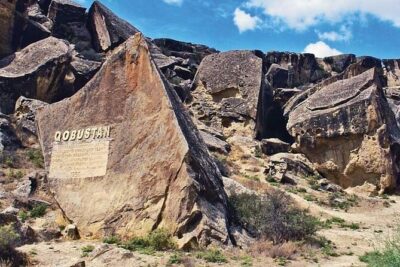
Gobustan rock art: the indoor museum plus the outdoor UNESCO engravings
Gobustan’s rock art is the day’s big “wow” for many people. You will start with the Gobustan indoor museum for about 1 hour. This part is helpful because it gives context before you go outside to the actual carvings.
In the indoor setting, you get exhibits that cover early human life and artifacts dating to the Stone Age. That context makes the outdoor engravings easier to understand, because you can spot themes such as hunting scenes and daily life moments.
After that, you visit the outdoor museum area for about 1 hour. This is where the UNESCO petroglyphs live, thousands of rock engravings that include scenes of hunting and dancing, going back more than 40,000 years. The carvings are spread across a rocky setting, so you will want to slow down and let the guide point out details rather than trying to spot everything by yourself.
Ticket note you can’t ignore: there is a listed entry fee for Qobustan (10 AZN). Even if some parts of the tour description sound simple, plan on paying on-site for the museum entry.
Bibi-Heybat Mosque: a quiet pause with a sea view
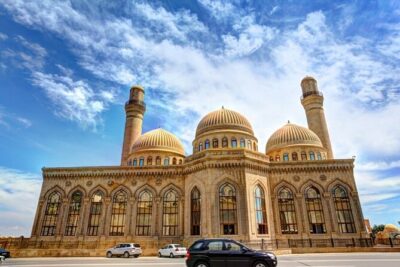
Back in Baku, the tour includes a visit to Bibi-Heybat Mosque. This stop is about 20 minutes, so it is short, but it is a meaningful one.
The mosque is originally from the 13th century and was rebuilt in the 1990s after destruction in the Soviet era. It is also associated with the tomb of Ukeyma Khanum, a descendant of the Prophet Muhammad. Architecturally, it is known for a striking blend of traditional and modern elements, and it sits overlooking the Caspian Sea.
This is a good palate cleanser after Gobustan. Mud and rock art can be intense for the brain. A mosque stop gives you a different kind of understanding, plus a calmer atmosphere.
If you visit any religious site, dress respectfully and keep your pace slow. Even in a short stop, it helps you see more and avoid feeling rushed.
Fire Temple at Ateshgah: flames fed by gas, tied to Zoroastrian heritage
Now you reach the Absheron Peninsula fire story at Ateshgah, the Fire Temple. The concept here is simple and compelling: natural gas seeps from the earth and ignites into flames. People have used this phenomenon as a worship site for centuries, and the tour frames it as tied to Zoroastrian heritage.
The visit runs about 1 hour, and it is not just about seeing fire. It is about understanding why fire mattered, and why people built rituals around a natural power that did not require human fuel.
You should plan time for photos, but also for reading what the site explains. Flames are visually dominant, but the meaning is in the human relationship to the phenomenon.
Ticket note: entry fees for the Fire Temple and Yanardag are listed as 15 AZN. Have a few bills or cash on hand so you are not scrambling at the door.
Yanar Dag Burning Mountain: a final fire show on the hillside
The last major stop is Yanar Dag, also known as the Burning Mountain. This one is pure spectacle. Subterranean gas feeds flames that keep burning on a hillside, reportedly for thousands of years.
The tour allots about 1 hour here. That is enough time to watch the flame patterns and to get your best view angle. If the weather is clear, it is the kind of place where the light makes the fire look even more dramatic.
This is also a good ending because the day’s themes converge. You started with Baku’s oil story. You then saw Earth moving through mud volcano activity. Now you end with a natural gas flame that shaped spirituality, culture, and local identity.
Ticket note again: the listed entry fees cover the Fire Temple and Yanardag at 15 AZN, so confirm how your tour handles it and pay once rather than twice.
Price and logistics: what the $20 actually buys, and what you pay extra
At $20 per person, this tour price is low for a full day with a guide and comfortable transport. You are paying mainly for the service wrapper: air-conditioned vehicle, professional guide, and transportation.
The trade-off is that key entries are extra. The tour pricing information lists:
- Qobustan entry fee: 10 AZN
- Mud Volcanoes entry fee: 30 AZN
- Fire Temple and Yanardag entry fee: 15 AZN
Lunch is optional and listed at 12 USD per person, and tips are not included.
So how does it feel as value? If you are the type who wants to see the important sites without wasting time at tickets and directions, the $20 covers that convenience. If you are on a shoestring and already know you will pay the site fees anyway, the biggest benefit becomes the guide and the organized timing.
Also remember: you are often moving in a small day-trip schedule, and the vehicle makes a real difference. That matters on days with heat, dust, and long drives.
Timing and comfort: 9:00 am start, 5 to 7 hours total
The tour starts at 9:00 am. It runs about 5 to 7 hours total. That time window works well for first-time visitors because it still feels like a single coherent day rather than scattered half-stops.
You will spend meaningful time outdoors at Gobustan and at the fire sites, so plan for sun and wind. Wear shoes that can handle uneven surfaces. Bring water. If you want photos, bring a power bank because you will likely use your phone more than you expect.
Group size stays capped at a maximum of 30 people. That keeps things manageable, but do not expect a private, ultra-custom pace every time.
Pickup is offered, and that is a big deal in a city like Baku where you can lose time just getting to the right starting point. If you prefer to arrive early and handle yourself, that option is not stated. Your best bet is to rely on the tour’s pickup and meet instructions you receive after booking.
The guide can make or break the day, and here you have strong examples
This is one of those tours where the guide’s job is not optional. Gobustan petroglyphs, mud volcano explanations, and the fire temple story all connect better when someone helps you read the sites.
In recent feedback, names like Aydin, Murad, Tim, Kamal, Behram, and Aziza show up repeatedly. The common thread in the notes is clear: friendly, organized delivery, and guides who do more than recite facts. For example, one booking praised how the guide handled vegetarian food choices, and another highlighted a guide who was careful with details like taking photos.
So here is my practical advice to you. If you have any specific interests, ask your guide early. If you care most about rock art, say so. If you mainly want the fire sites, say that too. A good guide will steer you toward the most meaningful viewpoints within the time allowed.
Also, if English is important to you, the named guides in feedback include ones described as fluent. That gives you a confidence boost.
Who should book this tour, and who might want a different plan
Book it if you want a compact but varied day. This tour is a strong fit for:
- history lovers who like ancient evidence on real ground
- nature curious travelers who like odd Earth processes like mud volcanoes
- people who want a cultural reason behind Azerbaijan’s fire sites
- first-time visitors who want the Gobustan UNESCO experience without logistics stress
Consider skipping or choosing another option if:
- you are sensitive to outdoor conditions and prefer fully indoor sightseeing
- you hate paying multiple entry fees in a single day
- you only want one theme, like only Baku city or only rock art
This day works best when you like variety and you are happy to follow a guided schedule.
Should you book this Gobustan and Fire Temple day trip?
Yes, if you are looking for a high-value day that connects different sides of Azerbaijan: UNESCO rock art, active natural phenomena, and the famous flame sites. The $20 price is attractive because it bundles the guide and comfortable transport, which saves real time.
I would book it with two expectations set upfront. First, you should plan to pay the listed site entry fees, with Qobustan, Mud Volcanoes, and the Fire Temple and Yanardag all requiring extra payment. Second, you should pack for outdoor walking and sun.
If you do that, you will leave with a day that feels like more than a checklist. You will understand why the ground here matters, why the flames mattered to people, and how far back the story of this place goes.
FAQ
What time does the tour start?
The tour starts at 9:00 am.
How long is the Gobustan and Absheron tour?
It runs about 5 to 7 hours.
Is pickup included?
Yes, pickup is offered.
How many people are in a group?
The maximum group size is 30 travelers.
What is included in the $20 per person price, and what is not?
Included are an air-conditioned vehicle, a professional tour guide, and comfortable transportation. Entrance tickets are not included, lunch is optional for an extra cost, and tips are not included.
Which sites have extra admission fees?
The listed entry fees are: Qobustan 10 AZN, Mud Volcanoes 30 AZN, and Fire Temple and Yanardag 15 AZN.
Is free cancellation available?
Yes. You can cancel up to 24 hours in advance for a full refund. If you cancel within 24 hours of the start time, the amount paid is not refunded.
More of Gobustan National Park
- Baku: Gobustan, Mud Volcano, Fire Mount, Temple Lunch Entry
★ 4.9 · 3,246 reviews - Baku:Gobustan Mud Volcanoes Temple & Entry tickets included
★ 4.8 · 178 reviews - Baku: Gobustan/Absheron guided tour with lunch and tickets
★ 4.8 · 158 reviews - Baku: Half-Day Gobustan and Mud Volcanoes Tour with Entry
★ 4.7 · 144 reviews
Latest Baku reviews
- Gobustan Magic of Mud Volcanoes and Ancient Petroglyphs★ 5.0 · 3 reviews
- Gobustan Tour and Mad Volcanoes – tour to stone age★ 5.0 · 3 reviews
- Gobustan & Mud Volcano★ 4.5 · 3 reviews
- A Full Day Adventure: Khinalug, Guba & Candy Mountains Tour★ 5.0 · 3 reviews
- All destinations included Baku city tour for 1 day★ 5.0 · 3 reviews
- Small-Group Day Trip to Gobustan, Mud Volcanoes, Ateshgah & Yanar Dagh★ 4.5 · 3 reviews
- A Private Day Trip to Shahdag Ski Resort★ 5.0 · 3 reviews
- Private Sheki Tour – Four Regions of Azerbaijan in one day★ 5.0 · 3 reviews
Gobustan National Park, compared.
Gobustan, Mud Volcano, Fire Mount, Temple Lunch Entry
Read our review →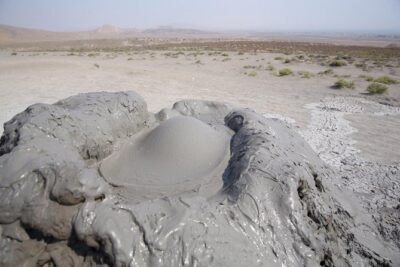
BEST Gobustan, Volcanoes & Absheron Fire Tour (Group or Private)
Read our review →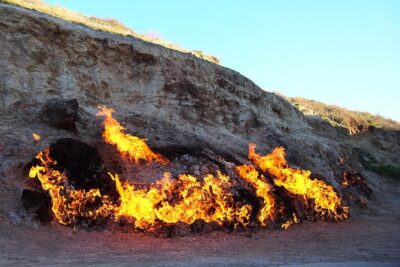
Gobustan, Volcanoes, Fire Temple and Yanardag Day Trip
Read our review →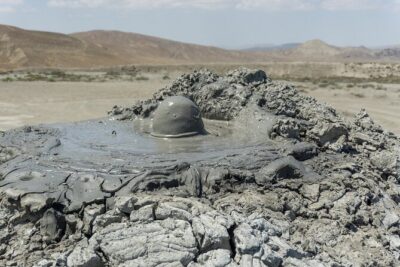
Gobustan & Mud, Fire Temple, Burning Mountain (Group & Private)
Read our review →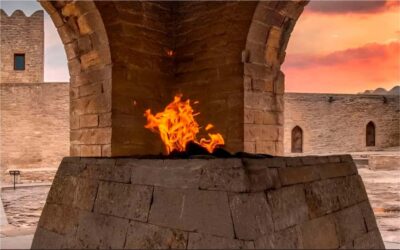
Mud Volcan-Fire Temple and Mountain Tour/Entrance inc
Read our review →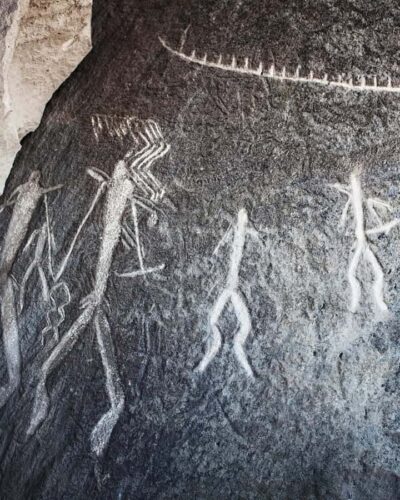
Gobustan Mud Volcanoes Temple & Entry tickets included
Read our review →Browse the lists this tour appears in