
Reviewed · GOBUSTAN NATIONAL PARK
Gobustan, Mud volcanoes, Fire temple, Fire mountain GROUP TOUR
If you want one day in Azerbaijan that mixes prehistory, geology, and living religious symbolism, this Gobustan, mud volcanoes, Fire Temple, and Yanardag group day delivers. What I like most is the UNESCO Gobustan rock art (with a museum that explains how to read the carvings) and the way you go from bubbling mud volcanoes straight into the story of fire worship. One thing to consider, the day is mostly outdoors at multiple sites, so you will want decent weather and comfortable shoes.
This tour is built for a smoother pace: a small group (up to 20), an air-conditioned vehicle, and a lunch break in the middle so you are not dragging yourself through the second half. The sites themselves are the real winners here, especially the chance to get close to active craters at the mud volcanoes and to see the burning gas flame at Yanardag.
Key things to know before you go
- Gobustan is UNESCO-grade rock art, plus a hands-on museum to make the petroglyphs make sense
- Mud volcanoes are active and climbable, and you will see craters up close
- Ateshgah Fire Temple connects Persian and Indian inscriptions to Hindu and Zoroastrian worship
- Yanardag keeps burning as a natural gas flame on the Absheron Peninsula
- Small group size (max 20) helps you ask questions and get attention from your guide
- Tickets and lunch are extra, so check your total budget before you commit
Gobustan Rock Art: Turning Carvings into Context at the Rock Art Museum
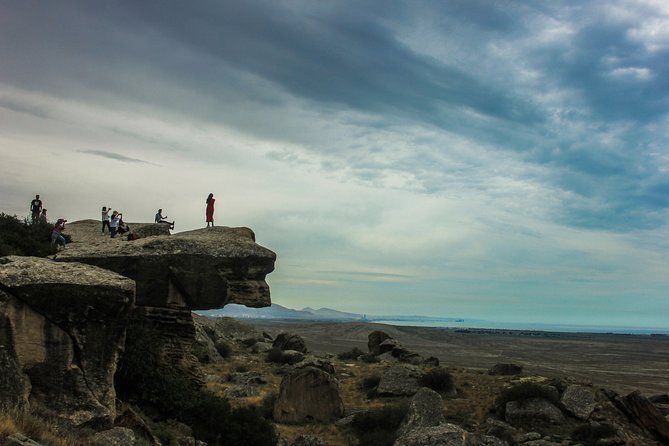
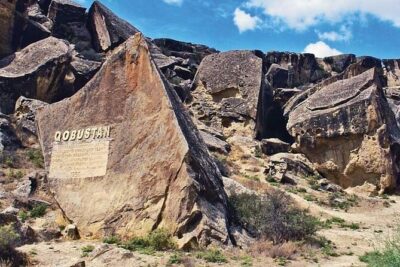
Gobustan is one of those places where you can either look at rocks and wonder, or get the background that makes it click. The tour starts at Gobustan Rock Art, beginning at the interactive museum. This is not just a quiet room with display cases. You are guided through exhibits that cover the natural environment and the human story of the area, including cultural development and archaeological expeditions. The museum experience also uses touch screens and special 3D panoramas, which help you visualize how people lived thousands of years ago.
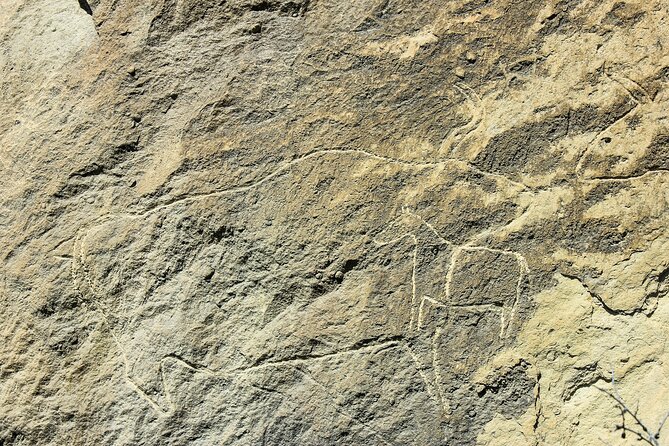
A big reason this stop works well on a group tour is that you are given time to understand what you are about to see outside. Inside, you will encounter displays linked to roughly the IV-II millennium BC, and the presentation frames the rock engravings in the 5,000 to 20,000-year range. That range matters because it signals Gobustan as more than a single era site. It is a place people returned to, over long stretches of time.
After the museum, you move to the open-air Gobustan rocks. This is where the value shifts from information to atmosphere. Standing near the carvings, you get a feel for why the location mattered to people who did not have written history the way we do today. The outdoors part can be a bit exposed, so plan for sun and wind. If you have any strong preferences, bring them up early, like you want to know how archaeologists interpret the motifs, not just what the carvings are.
One small practical note: the museum time and the outdoor rock viewing are both part of a roughly two-hour segment. That is enough to get oriented, but not enough to read everything at your own speed. If you are a slow museum reader, treat the museum as your framework, then spend your energy on the outdoor carvings.
More trips to the burning mountain:
- Baku: Gobustan, Volcanoes, Fire Temple and Yanardag Day Trip
★ 4.7 · 433 reviews - Gobustan & Mud, Fire Temple, Burning Mountain (Group & Private)
★ 4.5 · 418 reviews - Gobustan, Mud volcanoes, Fire temple, Fire mountain PRIVATE TOUR
★ 5.0 · 47 reviews
Mud Volcanoes: Getting Close to Craters Without Making It a Big Hassle
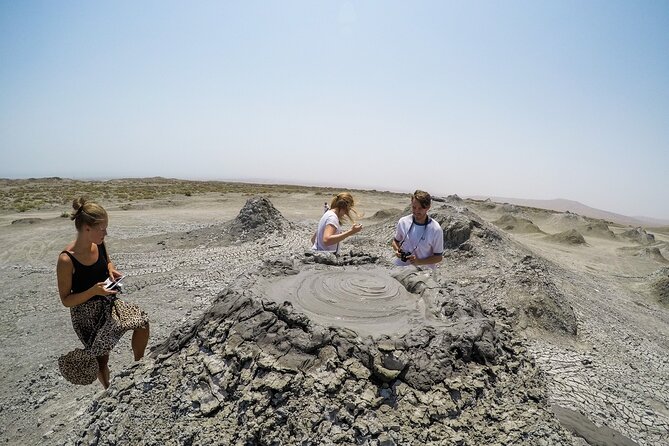
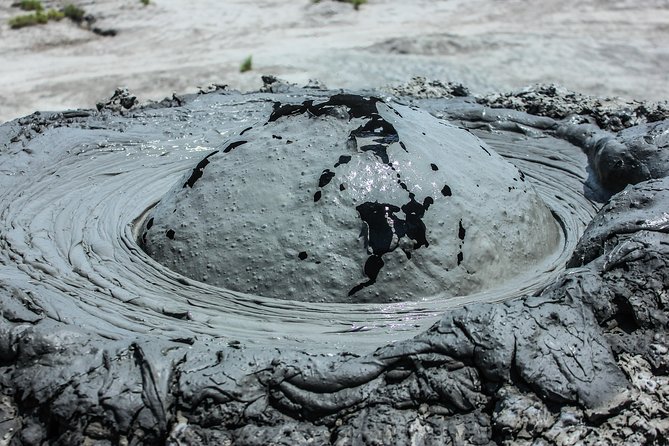
Next comes the mud volcanoes, a stop that feels almost otherworldly if you have never seen active mud venting. The tour frames mud volcanoes as something Azerbaijan has in abundance. Mud volcanoes appeared on today’s Azerbaijan territory around 25 million years ago. And Azerbaijan holds first place in the world for the number of mud volcanoes, with about 350 of the world’s 800 in the country.
What I love about this stop is that it is not treated like a theme-park attraction. The guide explains what mud volcanoes are, why the country is so prominent in them, and how the material is used. The tour notes that eruptions are used as raw material in chemical and construction industries and even in pharmacology. It also mentions that volcanic clay and mud are used for treatment related to the nervous system, skin issues, and rheumatism.
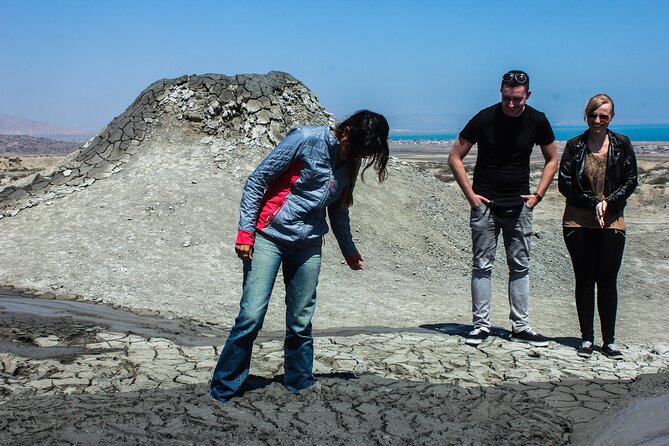
Then you get the part that most people remember. You go to active mud volcanoes where you can climb and view craters up close. That is the main reason this stop is worth the effort. You are not just looking from a distance. You are stepping into the scene, seeing the crater shape and the active surface area. It is dramatic, and it also gives you a better sense of scale than photos ever do.
The main drawback is also predictable. Active craters and climbing mean you should think about footwear and footing. This is not a museum floor. Bring shoes that can handle uneven ground. If conditions look messy, slow down. You are there to enjoy the geology, not to race around it.
Before the second part of the day starts, the tour includes an hour for lunch in the city center. That break is a smart design choice for a long day. You go from rock art and geology into a religious-cultural stop, and having time to eat makes a noticeable difference in how tired you feel later.
Ateshgah Fire Temple: Where Inscriptions Explain Fire Worship
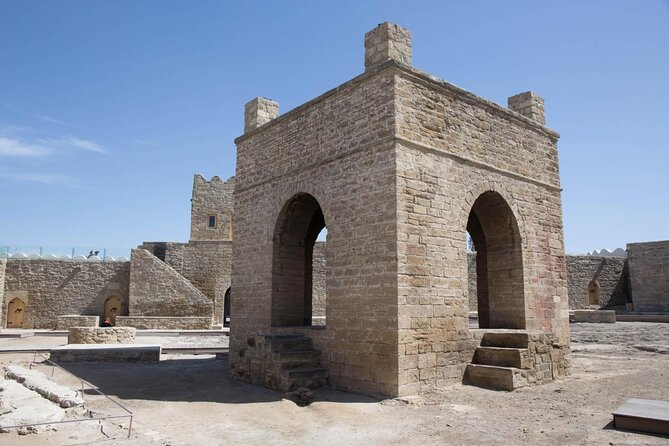
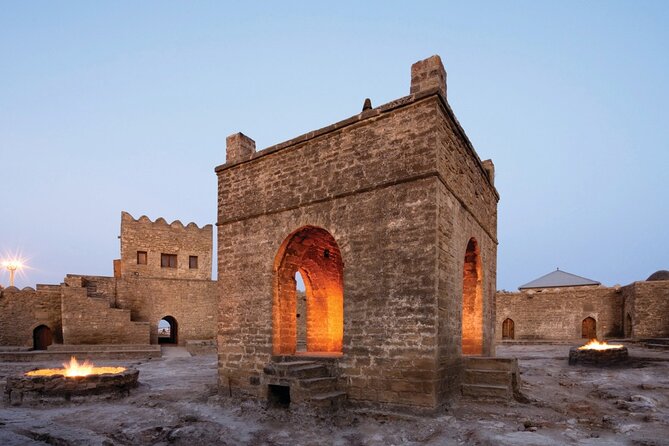
Ateshgah of Baku is where the day shifts from natural phenomena to human belief systems. This Fire Temple is connected to Zoroastrianism, and it also has links to Hindu worship. The tour explains that based on Persian and Indian inscriptions, the temple was used for Hindu and Zoroastrian place of worship. The first mention of the temple dates back to the 7th century AD.
This stop is especially valuable if you like learning how cultural influences overlap. The tour does not treat Ateshgah as a single-note story. Instead, it gives you the reason the site is famous: inscriptions in Persian and Indian traditions point to a blended historical use, which helps you understand why the temple became a pilgrimage kind of destination long before modern tourism existed.
Inside, you will see what the tour describes as cells of fire worshippers, along with historical exhibits found during archaeological excavations. The items mentioned include cookware, stone slabs with inscriptions, and elements of clothing. That “found objects” angle is important. It turns the story from abstract religion into something grounded in daily life and ritual practice.
A potential consideration: this part of the day is about one hour, so you will not have time to linger for long if you are a deep reader. Come with a couple of questions. For example, ask how the inscriptions connect to the worship practices you are seeing. A good guide can make those connections feel simple, even in a short visit.
Yanardag Burning Mountain: Natural Gas Flame as a Living Landmark
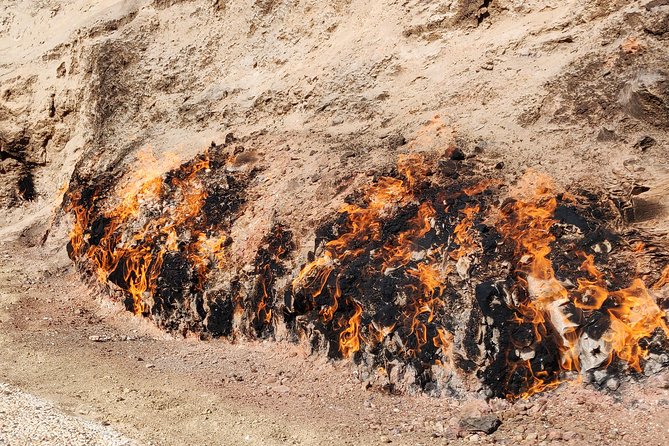
The last major stop is Yanardag, at the Yanardag State Historical, Cultural and Natural Reserve. Yanardag is described as a natural gas flame that has been constantly burning since ancient times on a hillside near Baku. The meaning of Yanardag is Burning Mountain, which is exactly what you feel when you get close: it is a hillside that keeps producing fire.
One of the most interesting bits the tour highlights is that pilgrims from Iran and India still come to visit the sacred burning mountain. That matters for a traveler because it confirms Yanardag is not just an artifact. It is still part of religious and cultural movement today.
This stop is shorter, around 40 minutes. That makes it a good final phase. You get closure to the day’s theme of fire, without exhausting yourself before you are back in Baku. Since the flame is constant, you do not need perfect timing to see it, but you do want to be present and watchful. Light and visibility can affect what you can clearly see, so arrive with enough energy to pay attention.
If you are sensitive to heat or strong wind, take it slow. You are near an open flame, and conditions can change fast outdoors. The guide will usually tell you where to stand and how to view the flame area safely.
Other visits to the Ateshgah fire temple:
- Gobustan-Mud Volcan-Fire Temple and Mountain Tour/Entrance inc
★ 5.0 · 267 reviews - Gobustan & Mud, Fire Temple, Burning Mountain, H.A. Center
★ 4.6 · 46 reviews - Ateshgah Fire temple and Burning mountain tour
★ 4.5 · 42 reviews - Baku: Gobustan, Mud Volcanoes, Fire Temple, & Yanar Dag Tour
★ 4.8 · 36 reviews
Timing, Group Size, and Why This 9-Hour Flow Works
This is an approximately 9-hour full-day tour, starting at 9:30 AM. Pickup is within Baku, and the tour ends with drop-off back at your location in the city. The start and end points you will see listed include a meeting area near Nizami Badalan mektebin yolu and a finish point at Fountain Square Passage, but in practice you should focus on the pickup time and the end drop-off plan.
Group size is capped at 20 travelers. That small-group model is one of the strongest points of the tour, because it supports actual conversation instead of one-way monologues. You can ask follow-up questions, especially during the museum portion, where understanding context makes the outdoor carvings and artifacts much more meaningful.
The day has a steady rhythm:
- Gobustan museum and open-air rock art viewing
- Mud volcanoes, including the active crater climbing portion
- One hour lunch break in the city center
- Ateshgah Fire Temple visit
- Yanardag Burning Mountain viewing
If you tend to get cranky on long days, you will appreciate the hour meal break. If you hate rushing, know that the day is still structured, so you should come ready to move. You can slow down during viewpoints, but you cannot fully customize visit lengths.
The tour also includes an air-conditioned vehicle, which is a big comfort saver when you are bouncing between Baku and nearby sites for hours.
Price and Ticket Fees: Is $59 Good Value?
The price is $59 per person, and the tour uses a mobile ticket. That base price includes an accredited tour guide and transportation in an air-conditioned vehicle. So you are paying for the “how to see it” portion, not just a ride.
The catch is that ticket fees are not included. The tour lists ticket fees of USD 23, and it also notes that admission tickets are not included for the main stops. Lunch is also not included.
So how do you judge value? I would look at your total cost in one step:
- Base price for the guided day
- Plus about USD 23 in attraction ticket fees
- Plus lunch
When the guide is strong, this itinerary is efficient. You hit UNESCO-level Gobustan, active geology at the mud volcanoes, and two fire-related cultural sites in one day. That is three different “ways of seeing” Azerbaijan: prehistory, natural science, and religious symbolism. Bundling it into one guided day can be a better deal than trying to stitch together separate half-day trips.
One balanced caution: the overall rating is high, and most people recommend the tour. Still, on a group tour, the quality of the explanations matters because a lot of the value is interpretation, especially at the museum and fire temple. If you want a very chatty, super-educational guide experience, bring a short list of questions for your guide when you meet them.
What to Pack for Gobustan, Mud Volcanoes, Fire Temple, and Yanardag
You will spend a lot of time outdoors across the day, and the tour requires good weather. That alone is your packing clue. Plan for sun and wind, plus the fact that mud volcano areas can be uneven and gritty.
Here is what I would bring based on how this itinerary is laid out:
- Closed-toe shoes with decent grip for crater areas
- A light layer for wind near the flame and open-air rocks
- Water for the outdoor segments, since lunch is in the middle and not included
- Sunscreen or a hat for the open-air viewing portion
If your trip is in a season that can change quickly, keep an eye on conditions the day before. When the tour is canceled due to poor weather, you will be offered a different date or a full refund, so you are not stuck.
Who Should Book This Tour
This tour fits best if you want variety in one day. It is ideal for you if you:
- Like UNESCO sites but want more than just a quick photo stop
- Are curious about why Azerbaijan has so many mud volcanoes and what people do with the material
- Want to connect religion, inscriptions, and fire symbolism rather than only viewing buildings
- Prefer a small group format over a huge bus tour
It is also a solid choice if you want a “great hits” day without doing planning math. The itinerary is structured, the guide handles the timing, and the air-conditioned vehicle helps you stay comfortable while moving.
If you are the type who needs lots of downtime, or you are very sensitive to outdoor walking, you might find the pace demanding. But for most people, the mix of stops and the lunch break keeps it manageable.
Should You Book This Gobustan to Yanardag Group Tour?
If your time in Baku is limited, I think this is an easy yes. You are getting UNESCO rock art context, up-close active mud volcano craters, a fire temple tied to Persian and Indian inscriptions, and Yanardag’s natural gas flame in one efficient 9-hour day. The small group size helps you get answers, not just headcounts.
The only reason I would hesitate is if you strongly dislike outdoors sightseeing or you travel at a time when weather may be unreliable. In that case, you may want to check forecast patterns and be ready to shift plans. Otherwise, for $59 plus ticket fees and lunch, you are paying for a full thematic day that connects prehistory, geology, and fire worship in a way that is hard to replicate on your own in a single afternoon.
FAQ
What time does the tour start?
The tour starts at 9:30 AM.
How long is the tour?
It runs for about 9 hours.
How big is the group?
The maximum group size is 20 travelers.
Is the tour ticket mobile?
Yes, it uses a mobile ticket.
What is included in the tour price?
The price includes an accredited tour guide and an air-conditioned vehicle.
Are ticket fees included?
No. Ticket fees are listed as USD 23 and are not included.
Is lunch included?
No. Lunch is not included, but the itinerary includes an hour break in the city center.
What does the tour cover?
It includes Gobustan Rock Art, mud volcanoes, Ateshgah Fire Temple, and Yanardag burning mountain.
Does the tour depend on weather?
Yes. It requires good weather. If it is canceled due to poor weather, you will be offered a different date or a full refund.
What is the cancellation policy?
Free cancellation is offered up to 24 hours in advance for a full refund. If you cancel less than 24 hours before the start time, the amount paid is not refunded, and changes within 24 hours are not accepted.
More of Gobustan National Park
- BEST Gobustan, Volcanoes & Absheron Fire Tour (Group or Private)
★ 5.0 · 1,254 reviews - Gobustan and Absheron tour (All inclusive)
★ 5.0 · 1,014 reviews - Baku: Gobustan Absheron Tour Entry Tickets included
★ 4.9 · 329 reviews - Baku: Gobustan-Absheron Tour with Hotel PICK UP and DROP OFF
★ 4.8 · 170 reviews
More Mud Volcano Trips
- Baku: Gobustan, Mud Volcano, Fire Mount, Temple Lunch Entry
★ 4.9 · 3,246 reviews - Baku:Gobustan Mud Volcanoes Temple & Entry tickets included
★ 4.8 · 178 reviews - Baku: Half-Day Gobustan and Mud Volcanoes Tour with Entry
★ 4.7 · 144 reviews - Mud Volcanoes & Gobustan tour (Group & Private)
★ 4.5 · 59 reviews
Latest Baku reviews
- Gobustan Magic of Mud Volcanoes and Ancient Petroglyphs★ 5.0 · 3 reviews
- Gobustan Tour and Mad Volcanoes – tour to stone age★ 5.0 · 3 reviews
- Gobustan & Mud Volcano★ 4.5 · 3 reviews
- A Full Day Adventure: Khinalug, Guba & Candy Mountains Tour★ 5.0 · 3 reviews
- All destinations included Baku city tour for 1 day★ 5.0 · 3 reviews
- A Private Day Trip to Shahdag Ski Resort★ 5.0 · 3 reviews
- Small-Group Day Trip to Gobustan, Mud Volcanoes, Ateshgah & Yanar Dagh★ 4.5 · 3 reviews
- Private Sheki Tour – Four Regions of Azerbaijan in one day★ 5.0 · 3 reviews
Gobustan National Park, compared.
Gobustan, Mud Volcano, Fire Mount, Temple Lunch Entry
Read our review →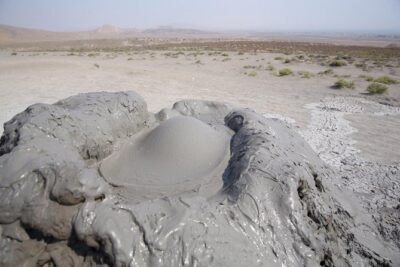
BEST Gobustan, Volcanoes & Absheron Fire Tour (Group or Private)
Read our review →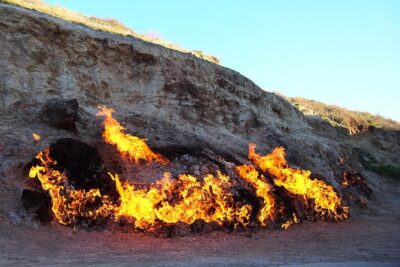
Gobustan, Volcanoes, Fire Temple and Yanardag Day Trip
Read our review →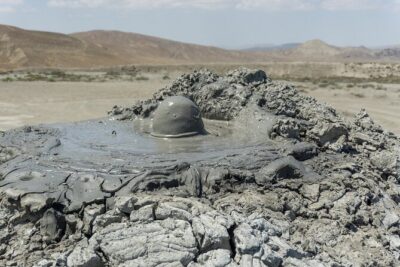
Gobustan & Mud, Fire Temple, Burning Mountain (Group & Private)
Read our review →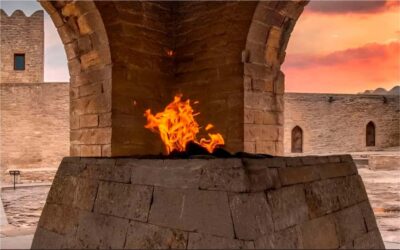
Mud Volcan-Fire Temple and Mountain Tour/Entrance inc
Read our review →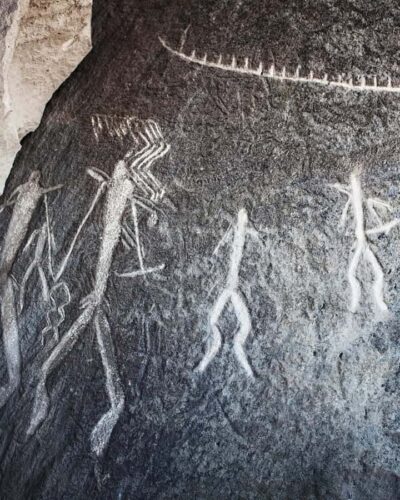
Gobustan Mud Volcanoes Temple & Entry tickets included
Read our review →Browse the lists this tour appears in