
Reviewed · GOBUSTAN NATIONAL PARK
Gobustan and Absheron trip (Group or Private)
Gobustan and Absheron is interesting because you get two very different stories in one day: 40,000-year-old rock art and active “Land of Fire” sites where natural flames power the scenery. You’ll see ancient hunting-era carvings, then shift gears to mud volcanoes and burning mountains.
Two things I love about this experience are how small-group sized it feels, so you can actually ask questions, and how the route connects themes instead of just stacking stops. For example, the fire theme flows from Absheron temples to natural gas flames, and guides like Seb or Leyla tend to make those links click.
One consideration: parts of the day depend on weather, especially the mud volcano area. If conditions are rough, you may spend less time at the volcano sites than you hoped, so bring patience and flexible expectations.
Key highlights that make this day trip work
- UNESCO Gobustan rock art tied to 40,000 years of human activity
- Active mud volcanoes viewed at close range, with road access handled using special vehicles
- Modern interactive museum (2011) with touchscreen info in multiple languages
- Ateshgah Fire Temple in Surakhani showing Persian and Indian religious roots around fire
- Yanardag Burning Mountain where natural gas leaks create a constant flame line
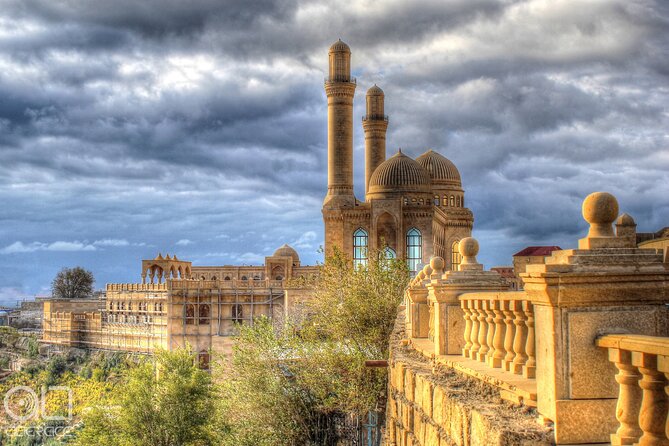
- Bibi-Heybat Mosque with a history reaching back to the 1200s
A full-day route through Gobustan and Absheron’s fire story
This is a classic Baku one-day mix: you start outside the city at Gobustan for the Stone Age rock carvings, then work your way back toward Baku for Absheron Peninsula sights tied to fire, Zoroastrian roots, and Islamic heritage.
The pace is designed for a full day out, about 8 hours in total. You’ll do a lot of “stop, see, move” rather than one long sit-down visit. That is not a bad thing here, because each area has a different mood: Gobustan is raw and ancient, Absheron is religious and dramatic, and the transition between them feels like changing chapters.
More of the Absheron peninsula:
- BEST Gobustan, Volcanoes & Absheron Fire Tour (Group or Private)
★ 5.0 · 1,254 reviews - Gobustan and Absheron tour (All inclusive)
★ 5.0 · 1,014 reviews - Baku: Gobustan Absheron Tour Entry Tickets included
★ 4.9 · 329 reviews
Price and logistics: what you get for about $30
At around $30 per person, this tour is a solid value if you want a guided, structured day without planning the route yourself. You also get what matters in Azerbaijan transport, including hotel pickup and drop-off and an air-conditioned vehicle.
The group size is limited to a maximum of 17 travelers, which is a key quality-of-life detail. Smaller groups usually mean fewer people competing for the guide’s attention and more time for practical questions, like what to watch for at the rock art or how to approach the fire sites for photos.
Do note what is not included. Lunch is extra, and the tour does not include admission tickets for the mud volcanoes and the Gobustan museum stops. The itinerary also flags that all fees and taxes are not included beyond the tour services. Practically, I recommend you budget for museum entry and plan to pay for lunch on the day.
You’ll also get a mobile ticket. That keeps things simple at meeting time, especially if you are staying somewhere central in Baku.
Stop 1, Gosha Gala Tower: a quick start with free entry
The day begins with pickup, then a short stop at Gosha Gala Tower. The time is listed as about 15 minutes, and admission is noted as free.
Even if this part is brief, it works as a kick-off point. It helps you get oriented before the longer Gobustan and Absheron stretches, and it gives you a gentle start to the history theme without requiring a long museum commitment at the beginning.
If you’re the type who likes to maximize photo time, use these early minutes to get your camera settings right. Once you’re bouncing around the volcano region, you’ll have less time for prep.
Mud volcanoes near Gobustan: close views and bumpy-road access
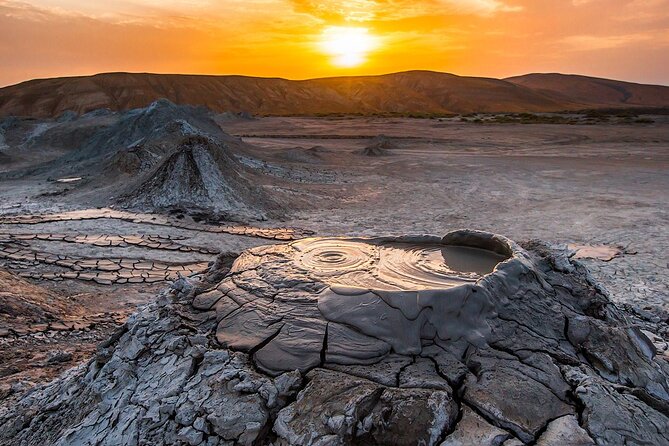
The mud volcano stop is usually the big sensory hit of the day. The timing depends on conditions, since the tour is explicit that it’s weather dependent. Azerbaijan is famous for mud volcanoes, and the route targets the Gobustan region where many are located.
Here’s the practical part that makes this stop feel different from a drive-by: you go using special taxi transport because of road conditions. The plan includes getting into an additional car, described as a Soviet SUV Lada, to reach the volcano area. That means more vibration, more off-road handling, and usually a more “you are actually there” feeling.
You’ll see the volcanoes from close range, and the guide is there to explain what you’re looking at. The names matter too. Local labels like Yanardagh, gaynacha, and bozdag connect the geology to everyday language, and guides often connect eruptions to what you might notice during active periods.
What to watch for:
- Expect mud and dust in the area, even if the volcano looks calm.
- Wear shoes you do not mind getting dirty.
- If the route team can’t access the active sections due to conditions, you might end up with less time here than you hoped.
This is the one stop where flexibility helps most, because weather drives the schedule.
Other trips into the Gobustan reserve:
- Baku: Gobustan, Mud Volcano, Fire Mount, Temple Lunch Entry
★ 4.9 · 3,246 reviews - Baku: Gobustan, Volcanoes, Fire Temple and Yanardag Day Trip
★ 4.7 · 433 reviews - Gobustan & Mud, Fire Temple, Burning Mountain (Group & Private)
★ 4.5 · 418 reviews - Gobustan-Mud Volcan-Fire Temple and Mountain Tour/Entrance inc
★ 5.0 · 267 reviews
Gobustan rock art: open-air reserve plus a modern interactive museum
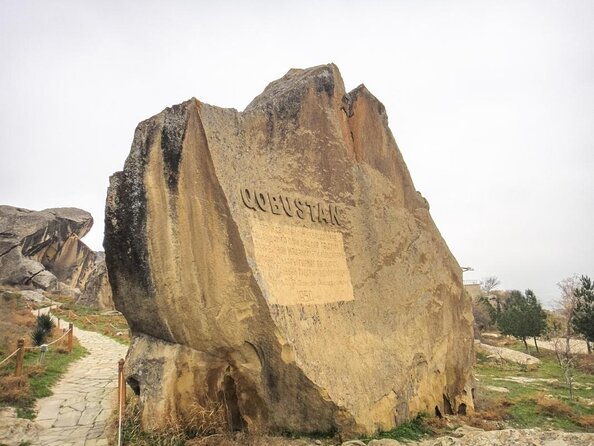
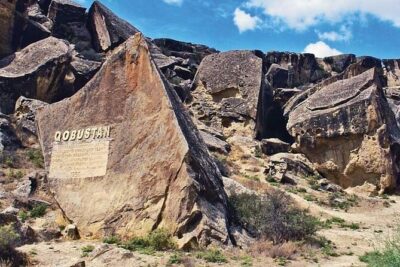
Gobustan is the reason people come. The core attraction is UNESCO-listed Gobustan Rock Art Cultural Landscape, known for a dense collection of rock engravings reaching back about 40,000 years.
The tour breaks Gobustan into two museum-oriented segments, which is a smart approach. One is the reserve-style experience, and the other is the interactive museum setting that makes the material easier to understand.
The first Gobustan museum stop: open-air history and cave remains
You’ll spend about 30 minutes at the first Gobustan stop, with admission not included. The focus is on the unique exhibits and the reserve setting, including indoor and open-air elements.
What makes it valuable is how the site is not only art on rock. It also includes evidence of lived-in spaces such as inhabited caves, settlements, and burials. That matters because it turns the carvings from “cool drawings” into something tied to hunting, daily movement, and long-term use of the area across changing climates after the last Ice Age.
If you only have a short time, look for the density of engravings and try to pick out recurring themes rather than trying to read everything at once. Your guide can help you prioritize what to notice.
The second Gobustan stop: the 2011 interactive museum
Next comes another 15 minutes at the interactive museum complex, opened in 2011 after reconstruction. This stop is shorter, but it packs in helpful context.
The museum is described as modern and interactive, with a touchscreen information center and material organized by thematic sections. There’s also mention that the museum includes more than 100,000 archaeological materials, which tells you this place is built for reference and interpretation, not just photos.
At the entrance, petroglyphs resembling the Azerbaijani yalli round dance meet you. That kind of design choice is practical. It gives you a cultural anchor right away, which helps the Stone Age imagery feel connected to later traditions rather than floating in isolation.
Admission is not included here either, so be ready to pay at the site if needed.
Absheron lunch break: plan for a separate meal bill
Once you reach the Absheron region, the schedule calls for lunch at a traditional restaurant, about 1 hour. The itinerary is clear that lunch is extra, and the included list does not cover it.
In practice, this is where you control your comfort and timing. If you want a relaxed meal, eat early in the lunch hour. If you want more photo time at the next stops, keep your meal efficient.
If you’re trying to budget, remember lunch has to cover your own cost. This tour is priced for the guided route, transport, and key site visits, not a full meal package.
Ateshgah Fire Temple in Surakhani: fire worship with layered roots
After lunch, the day shifts into the big “Land of Fire” theme with Ateshgah, also called the Fire Temple of Baku, in Surakhani.
This visit runs about 30 minutes, with admission not included. The temple is described as castle-like, and its story is tied to inscriptions in Persian and Indian sources. It was used as a worship place for both Hindu and Zoroastrian traditions, with the word atash meaning fire in Persian.
The time period matters. The temple was built in the 17th to 18th centuries around naturally burning flames that were already treated as something to worship. Later, it became an important pilgrimage site for fire-worshipping Hindus until the 1880s. In the early 19th century, it received the form seen today, and it’s described as unchanged since then.
A practical detail: you are not just looking at “a building.” You’re looking at a built structure around a real natural flame source. That is the link you’ll feel as you walk the site, and it’s why the whole Absheron theme makes sense as a coherent day.
Yanardag Burning Mountain: natural gas flames and a protected view
Next up is Yanardag, the Burning Mountain. It’s about 23 km from Baku’s Old Town, and the main attraction is a hill with a constantly burning line of flames.
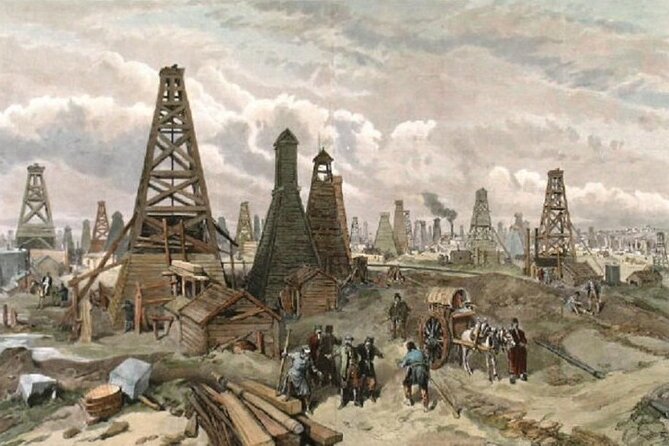
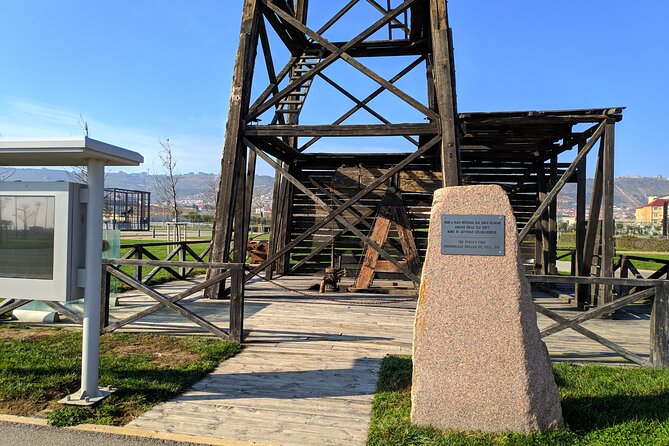
This is where the guide explanations can really pay off, because Yanardag’s fire is tied to geology. Tectonic shifts and volcanic material below the earth create natural gas leaks from the rocks. That constant leak is the reason the flames keep going.
The tour also mentions Marco Polo, which is one of those historical breadcrumbs that makes your brain lean forward and pay attention to the details. Even if the exact historical timeline is complicated, the point for you is simple: this is a long-running natural phenomenon people have observed for centuries.
You’ll get about 20 minutes here, and since the fire line is the star, keep your eyes up and your boots steady. The area is described as protected since 2007 as a historical, cultural, and natural reserve, which usually helps with viewing access and preservation.
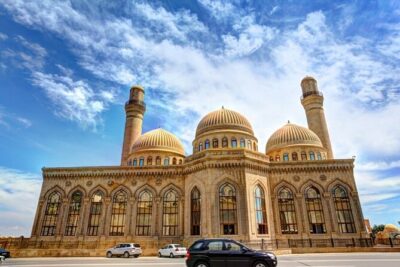
Bibi-Heybat Mosque: built long ago, rebuilt long after
The day closes with Bibi-Heybat Mosque, about 15 minutes with free admission.
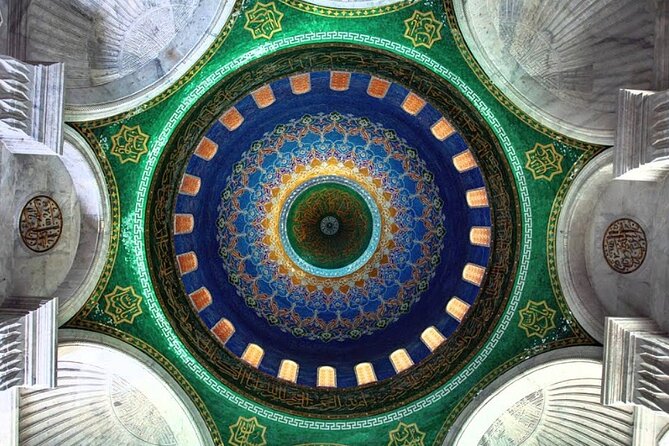
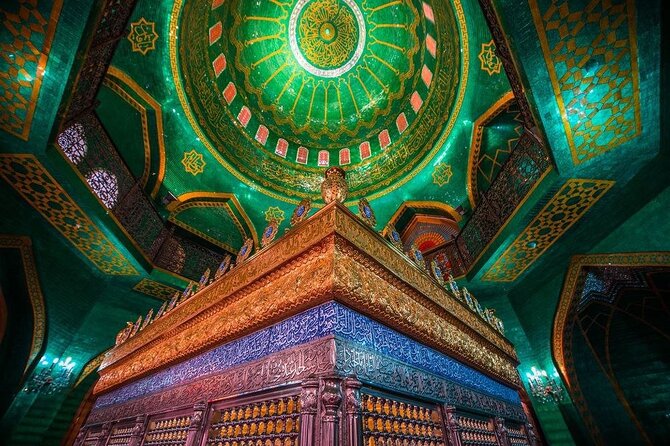
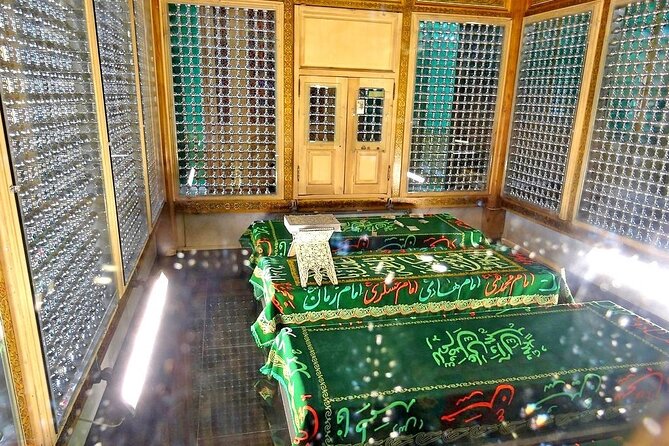
This mosque was built between 1267 and 1300, and the structure includes the tomb of Ukeyma Khanum, described as a descendant of Muhammad. It’s also described as a major monument of Islamic architecture in Azerbaijan and a spiritual center for Muslims in the region.
There is an important modern note: the current structure is from the 1990s, described as a recreation of the earlier mosque. That means you get a site with deep historical roots, but with a later reconstruction that reflects preservation choices over time.
For visitors, the takeaway is emotional rather than academic. You’ll likely feel the continuity because the mosque is still treated as active spiritual space, not just a relic.
The final return and that small-group feeling
After Bibi-Heybat Mosque, you return to the meeting point around 15 minutes. The route shows Gosha Gala Tower again as the return point.
What I like about this style of tour is that the day often feels more personal than you might expect from a ticket price like this. With a cap of 17 travelers, and with the possibility that the group can be smaller at parts of the route, you tend to get quicker answers and better pacing.
Guides like Seb and Nazif have been praised for in-depth explanations, including how mud volcanoes erupt and how fire temple traditions connect to Zoroastrianism. Leyla has been noted for being friendly and making first-time visitors feel comfortable. Those kinds of guide skills matter a lot on a day where you’re moving fast and seeing a lot.
Should you book this Gobustan and Absheron trip?
Book it if you want:
- A guided full-day route that ties together Gobustan’s Stone Age rock art and Absheron’s fire sites
- Hotel pickup and an air-conditioned vehicle, so you are not stuck figuring out transport
- A small group size that helps you actually ask questions
- A day that mixes nature and culture, not just museums
Skip it, or at least go in with open eyes, if:
- You hate schedule dependency. Mud volcano access is explicitly weather dependent.
- You want long, slow time in museums. The Gobustan museum segments are short, and some admissions are not included, so you’ll spend time paying and walking instead of only looking.
If you’re doing your first real day outside Baku, this tour hits a lot of Azerbaijan identity in one go. You get dramatic natural phenomena, ancient rock art in a UNESCO site, and fire and faith sites that explain why Absheron has that Land of Fire reputation. For the price, it’s a strong way to see more than you would easily coordinate on your own.
FAQ
How long is the Gobustan and Absheron trip?
The total duration is about 8 hours.
Is hotel pickup and drop-off included?
Yes. The tour includes pickup from your hotel in Baku and drop-off back to the meeting point.
Is lunch included in the tour price?
No. Lunch is extra, and you will eat at a traditional restaurant during the day.
Are museum and site admission tickets included?
Not all admissions are included. The itinerary lists admission tickets as not included for the mud volcanoes and Gobustan rock art museum stops. Other stops note free admission.
How big is the group?
The maximum group size is 17 travelers.
What languages are guides available in?
The professional guide service is available in English and Russian.
Does the tour depend on weather?
Yes. Mud volcanoes are weather dependent, and the experience requires good weather. If it is canceled due to poor weather, you’ll be offered a different date or a full refund.
Latest Baku reviews
- Gobustan Magic of Mud Volcanoes and Ancient Petroglyphs★ 5.0 · 3 reviews
- Gobustan Tour and Mad Volcanoes – tour to stone age★ 5.0 · 3 reviews
- Gobustan & Mud Volcano★ 4.5 · 3 reviews
- A Full Day Adventure: Khinalug, Guba & Candy Mountains Tour★ 5.0 · 3 reviews
- All destinations included Baku city tour for 1 day★ 5.0 · 3 reviews
- Small-Group Day Trip to Gobustan, Mud Volcanoes, Ateshgah & Yanar Dagh★ 4.5 · 3 reviews
- A Private Day Trip to Shahdag Ski Resort★ 5.0 · 3 reviews
- Private Sheki Tour – Four Regions of Azerbaijan in one day★ 5.0 · 3 reviews
Gobustan National Park, compared.
Gobustan, Mud Volcano, Fire Mount, Temple Lunch Entry
Read our review →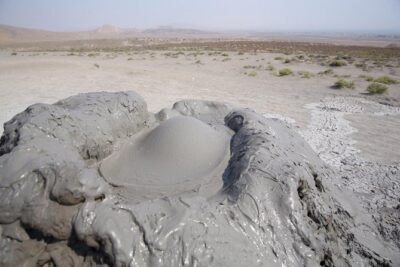
BEST Gobustan, Volcanoes & Absheron Fire Tour (Group or Private)
Read our review →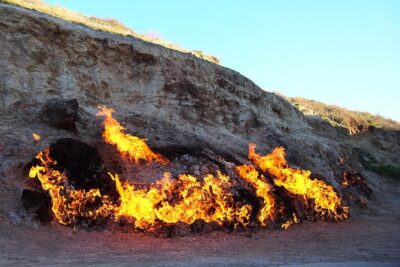
Gobustan, Volcanoes, Fire Temple and Yanardag Day Trip
Read our review →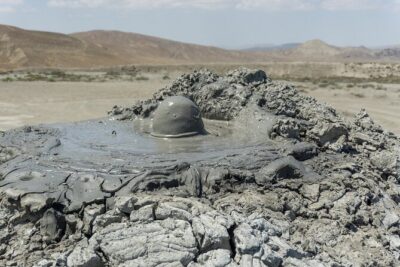
Gobustan & Mud, Fire Temple, Burning Mountain (Group & Private)
Read our review →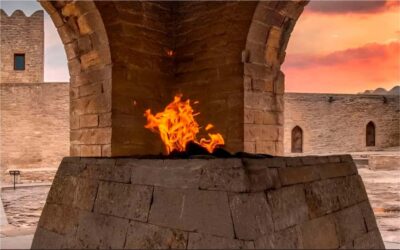
Mud Volcan-Fire Temple and Mountain Tour/Entrance inc
Read our review →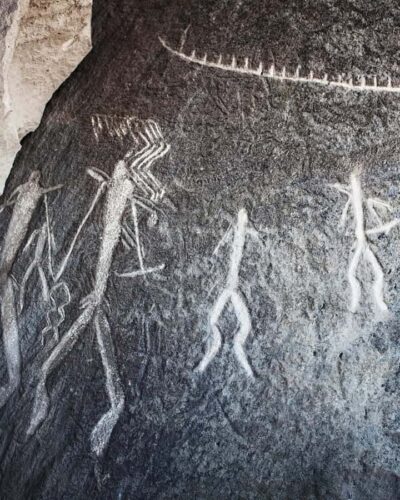
Gobustan Mud Volcanoes Temple & Entry tickets included
Read our review →Browse the lists this tour appears in