
Reviewed · GOBUSTAN NATIONAL PARK
From Bakü: Sightseeing – Ateshgah – Yanardag – Gobustan
Absheron is where Azerbaijan’s “modern country” meets some truly old-school fire stories. This one-day route strings together Ateshgah Fire Temple, Yanardag, and the Gobustan rock-art sites, so you get a lot of atmosphere without feeling like you rushed across half the country. I especially like the shift from man-made worship spaces to a real, natural flame, then on to ancient rock drawings that make Gobustan feel lived-in across centuries. The main drawback to think about is comfort and fit: you will be doing an active day, and this tour is not suitable for people with mobility issues, back problems, heart problems, or wheelchair users.
If you score a good guide, this trip gets a lot better. In one review, a guide named Habil Gudratli stood out as professional, kind, and genuinely well informed, and the day felt organized with a logical route for seeing multiple Absheron highlights in limited time. Just keep your expectations realistic: the pace is built for hitting key stops, not for long museum time or slow strolling with zero structure.
Key things to know before you go
- Three big sites in one day: Ateshgah, Yanardag, and Gobustan, all in Absheron.
- Fire that is actually natural: Yanardag’s flame comes from gas seeping through the ground.
- Gobustan has two angles: the Open Air Rock Museum and the 3D Bio Museum.
- No food included: plan for snacks or a lunch stop you arrange.
- Comfort matters: bring comfortable shoes for walking on uneven outdoor areas.
- No large baggage or pets: keep your load light.
Why Absheron’s Fire Sites Feel Different Than Usual Sightseeing
Most day trips in Baku are about “big landmarks,” usually built in a similar time period. This one is different because it follows a theme: people and place, and how the ground itself shaped beliefs.
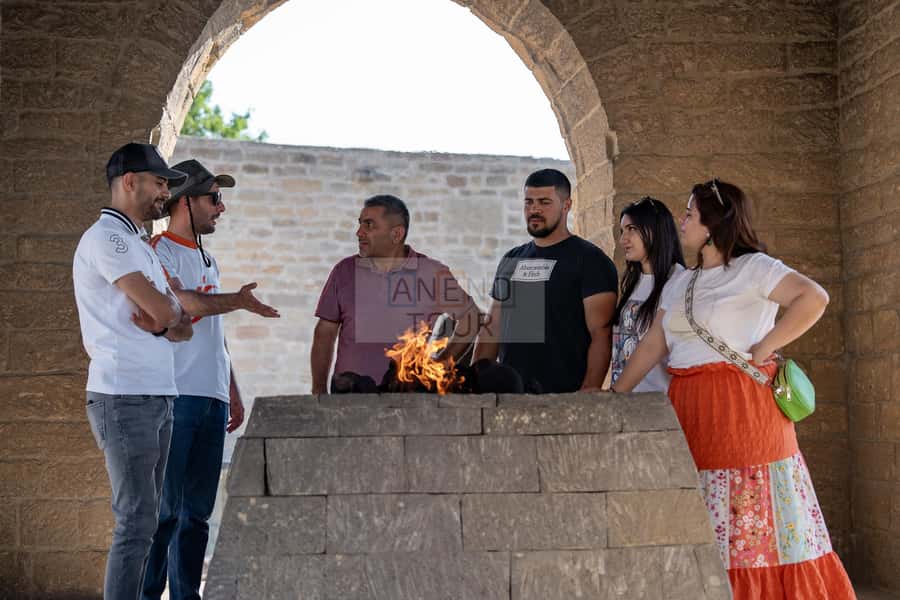
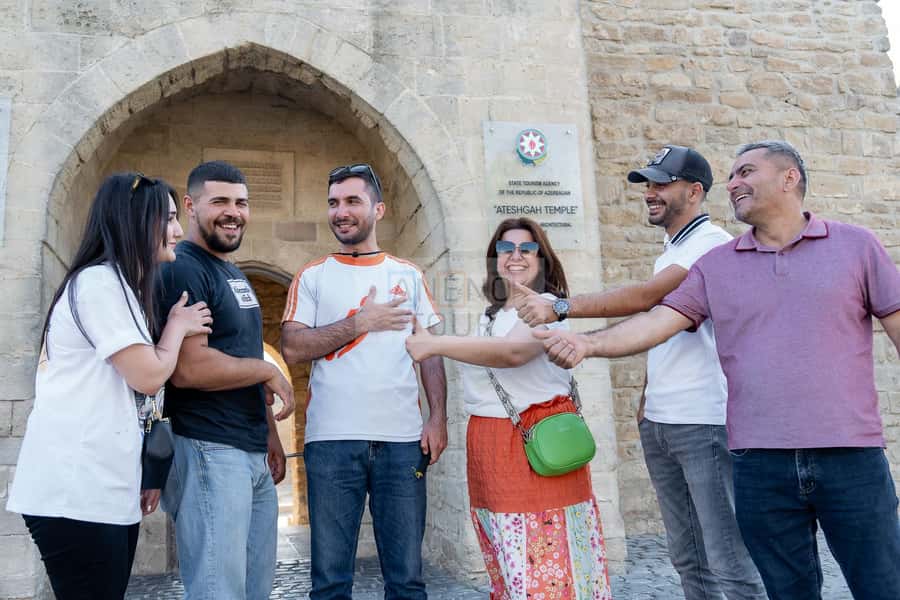
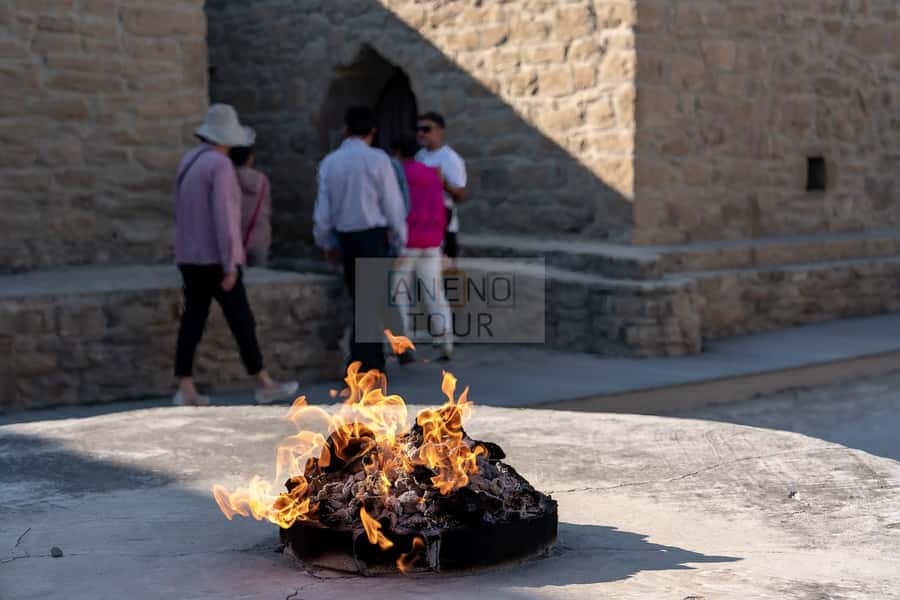
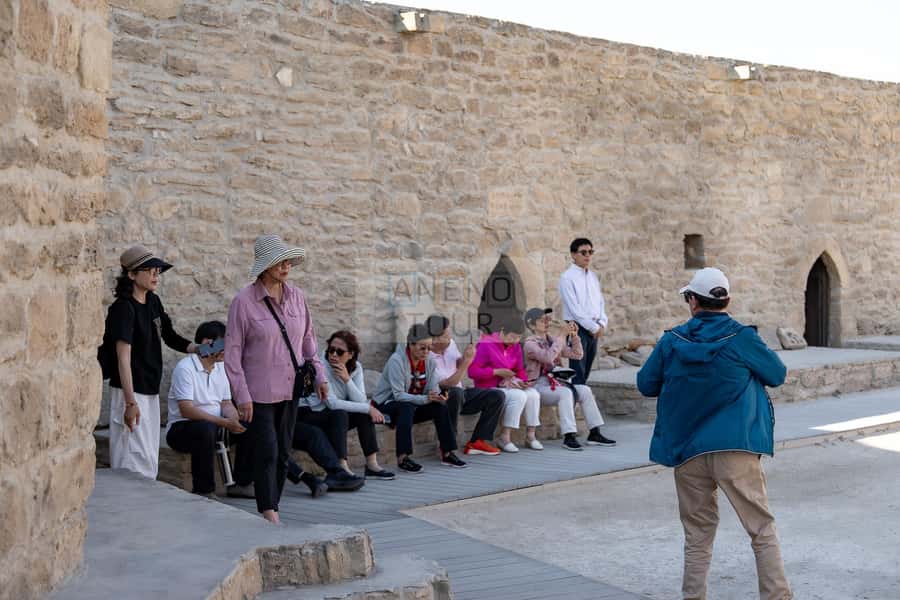
You start at Ateshgah Temple, the fire-worshippers complex linked to the Baku-based Hindu community with ties to Sikh-related traditions. The setting is memorable, because it is not just a single flame spot. You see a pentagonal complex, with an altar in the center that once served as a pilgrimage focus for worshippers. It gives you context for why this area mattered long before it became a tourist checklist.
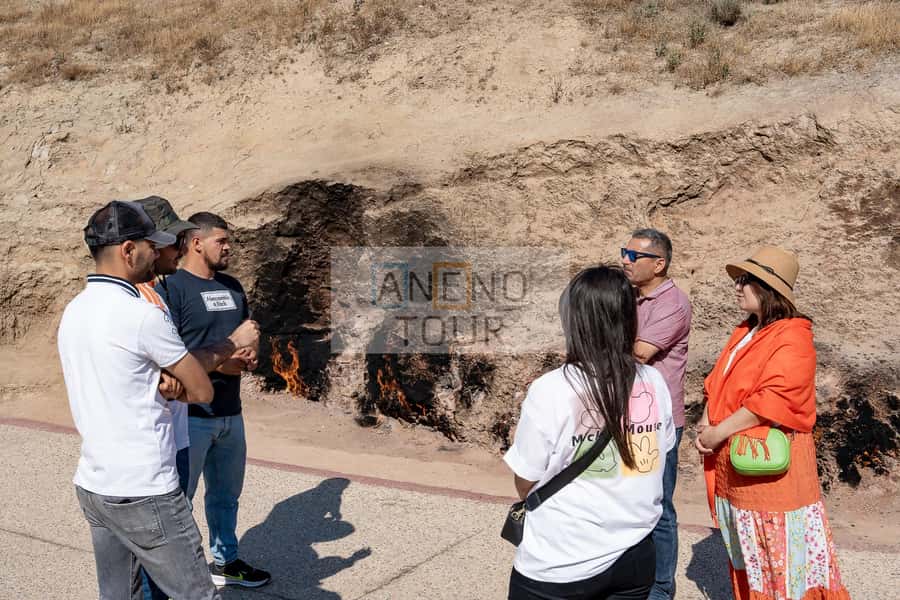
Then you move to Yanardag, where the flame is not staged. You are looking at a conservation-area natural phenomenon: stratified earth with gas feeding a flame system. The tour highlights meter-long tongues of fire inside a roughly ten-meter long space, which helps you grasp the scale once you are standing there in person.
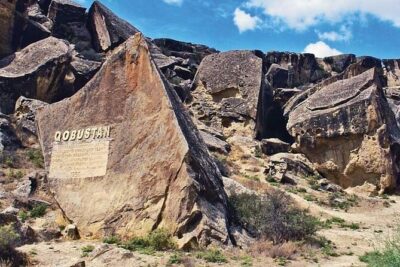
Finally, you land in Gobustan, where the story flips from fire to art. Ancient hand drawings and rock carvings in the open air, plus the 3D Bio Museum, connect the human past to the natural world around Baku. It feels like the tour is saying: this region is not just scenery. It is a living archive.
More trips to the burning mountain:
- Baku: Gobustan, Volcanoes, Fire Temple and Yanardag Day Trip
★ 4.7 · 433 reviews - Gobustan & Mud, Fire Temple, Burning Mountain (Group & Private)
★ 4.5 · 418 reviews - Gobustan, Mud volcanoes, Fire temple, Fire mountain PRIVATE TOUR
★ 5.0 · 47 reviews
From Your Baku Hotel to Ateshgah Fire Temple
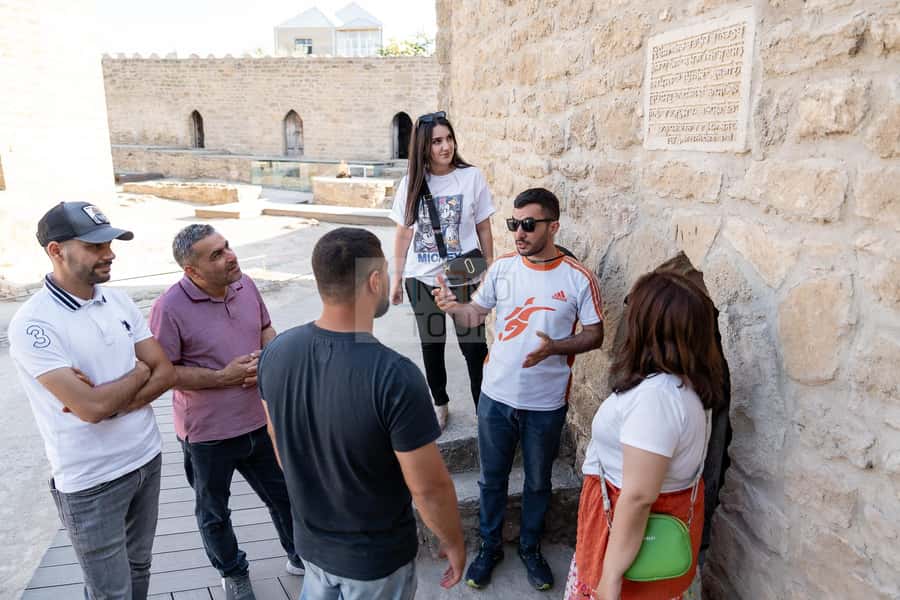
The tour begins with hotel pickup in Baku and a ride in a comfortable sedan. That matters more than people think. Getting out to Absheron can be easier when you are not trying to coordinate transport on the fly, especially if you only have one full day.
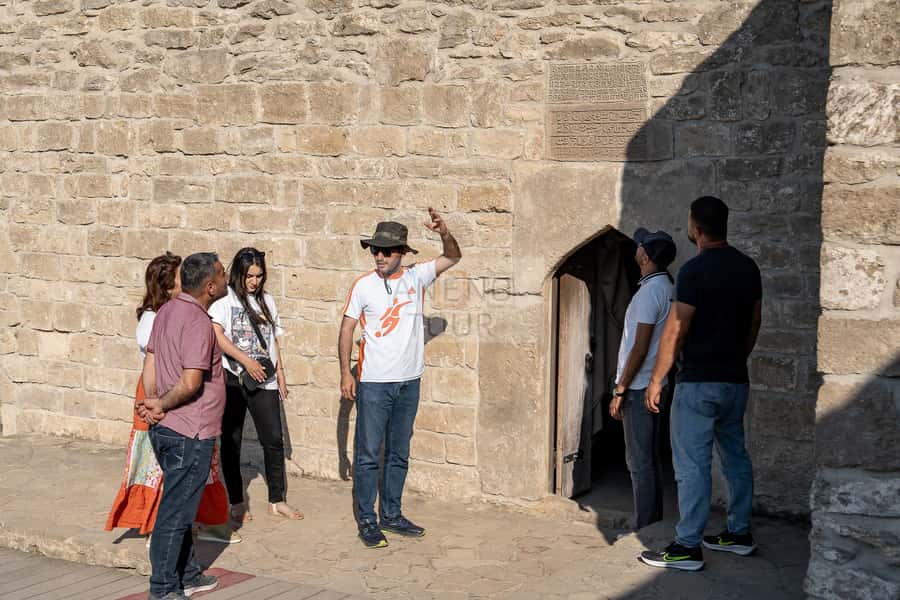
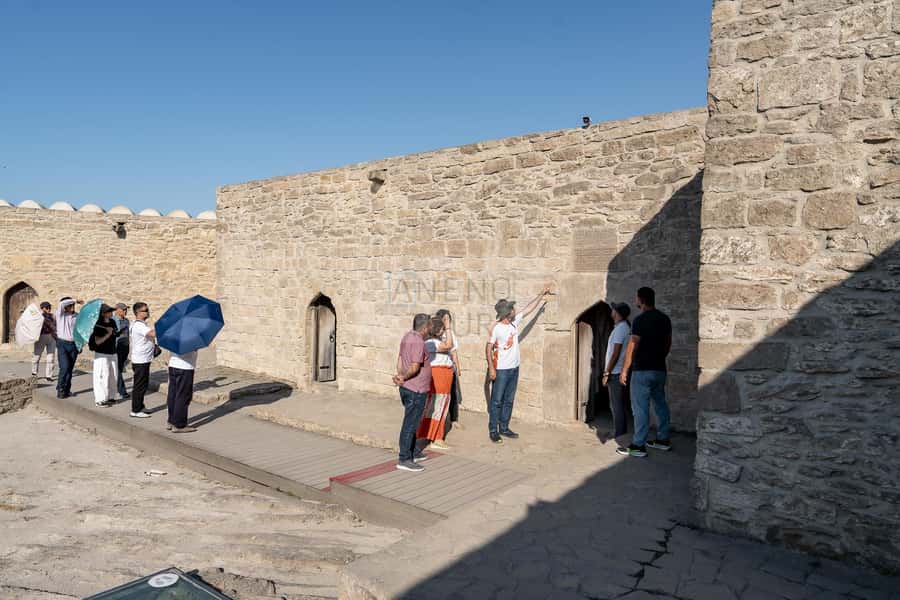
At Ateshgah Temple, the core experience is the architecture and symbolism. The complex is pentagonal, and the central altar is the visual anchor. Instead of reading about a fire shrine and moving on, you can actually stand inside the shape of the site and understand how visitors would have gathered and centered their attention.
The most useful thing I’d tell you: treat the first stop as your “orientation stop.” Before you go to Yanardag, take a few minutes to note how worship spaces are designed. Then when you get to the natural flame site, you will better appreciate the contrast between human ritual design and the geology-driven fire of the earth.
One practical note from the tour setup: this is an active day, and you will be outdoors. Wear comfortable shoes, because temple and museum areas around Gobustan and Yanardag involve uneven walking surfaces.
Ateshgah to Yanardag: Moving From Belief to Nature
Between Ateshgah and Yanardag, the drive time is part of the experience. It is the transition from a constructed fire site to a natural one. A good guide keeps this gap meaningful by connecting the dots between geography, gas seepage, and why people built traditions around what they could see.
The big “wow” at Yanardag is immediate. The flame tongues are described as meter-long, licking at the stratified earth in a roughly ten-meter-long space. That is not a tiny roadside spectacle. It is a defined phenomenon, with enough room to understand the scale.
You should also pay attention to how the site is managed. The tour notes Yanardag is part of a state-protected conservation area. That typically means you will see the location handled differently than a typical tourist photo spot. It helps you feel like you are witnessing a protected natural feature, not just a performance.
Yanardag Eternal Flame: What to Watch For
Standing at Yanardag, do not only watch the fire. Watch what surrounds it.
- The earth and layers: The flame works with the ground, and the stratified look helps you understand why it persists.
- The sense of space: The flame zone is set within a larger area, so give yourself a minute to orient where you are relative to the fire tongues.
- The reason for the conservation framing: Knowing it is protected helps you treat it with respect and avoid rushing for photos.
This is a good stop for photos, yes, but also for learning. A well run tour keeps the story clear: why the flame exists, how people historically responded, and how the region gained a reputation for fire sites.
If you are traveling with someone who gets bored with “science explanations,” this stop can still work because the fire is real. The key is balancing facts with what your eyes can confirm in seconds.
Other visits to the Ateshgah fire temple:
- Gobustan-Mud Volcan-Fire Temple and Mountain Tour/Entrance inc
★ 5.0 · 267 reviews - Gobustan & Mud, Fire Temple, Burning Mountain, H.A. Center
★ 4.6 · 46 reviews - Ateshgah Fire temple and Burning mountain tour
★ 4.5 · 42 reviews - Baku: Gobustan, Mud Volcanoes, Fire Temple, & Yanar Dag Tour
★ 4.8 · 36 reviews
Gobustan Rock Art and the 3D Bio Museum
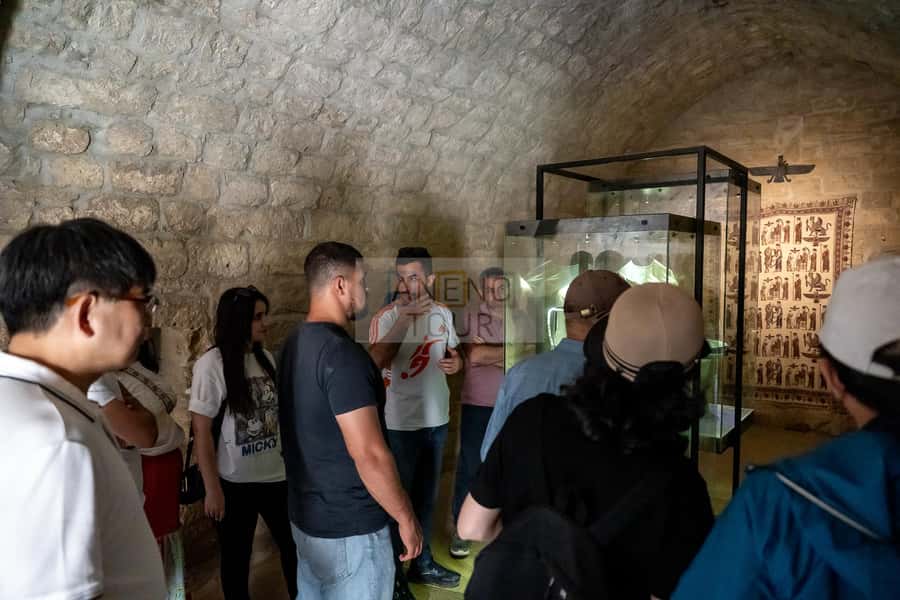
After Yanardag, you head to Gobustan. This is where the day becomes more than just fire-adjacent sightseeing. Gobustan is about the long timeline of humans in this region.
The tour includes two Gobustan experiences:
- Gobustan Open Air Rock Museum
- Gobustan 3D Bio Museum
The open air side is where you see original rock art, described as naturally occurring hand drawings. That means you are not looking at copies behind glass. You are viewing markings in the landscape, and the outdoor setting helps you feel the scale and exposure that ancient artists worked with.
The 3D Bio Museum adds context. Even without getting technical, this kind of museum setup usually helps connect the natural environment to the human story. It is a useful break from the direct sun and wind you can face at open-air sites.
Here is how I’d plan your mindset: treat the Open Air Rock Museum as your emotional anchor, and the 3D Bio Museum as your “make it click” stop. You go from seeing marks on rock to understanding the natural setting that shaped life there.
Don’t Miss the Mud Volcanoes Add-On If Time Allows
The tour program specifically recommends visiting the Mud Volcanos at Gobustan, described as a Modern Mars style experience. That is a great clue about what you are likely to enjoy: an offbeat, otherworldly landscape that feels like it belongs on another planet, but is right there near Baku.
One thing to keep in mind is that the information given to you does not say this is guaranteed as part of every schedule segment. So if you want it, ask your guide what time they can allocate and whether it fits comfortably into your day.
In a positive review, Mud Volcanos were highlighted as a favorite, which tells me this is not a throwaway roadside stop. It tends to be a “we are glad we did this” kind of experience.
Entrance Fees, Food, and the Real Cost of a Smooth Day
The price listed for the day trip is $116 per person. That is a fair number for what you get, because you are buying a full route with hotel pickup and drop off, a professional guide, and transport in a sedan across multiple Absheron destinations.
But you should factor in two things that are not included:
- Entrance fees
- Food and drink
In other words, the headline price is only part of the budget. You will likely pay additional amounts at the museum sites. The day also includes no lunch by default, though the tour can arrange a lunch stop at a restaurant.
My practical advice: set aside extra money for entries and plan your meals like an adult who does not want a headache later. Bring water if you can, or be ready to buy it. Since food is not included, you do not want to realize too late that your energy is running on empty.
What the Tour Feels Like on the Ground
A common win with tours like this is that they cut decision fatigue. You get picked up, you follow a sensible route, and you spend your attention where it matters: at Ateshgah, at Yanardag, and at Gobustan.
The guide quality seems to be the difference-maker. The strongest feedback focused on a guide who was professional, supportive, kind, and genuinely informative across the day. Another positive note praised how the program is planned so you can hit the important Absheron peninsula points in one day if you have limited time.
So you can think of this tour as a “best of Absheron” sprint, guided.
Still, keep a balanced view. One negative comment said the day felt boring and that the guide did not share much interesting information. That tells me the tour quality depends heavily on the narration style and pacing. If you love history and explanations, you should pick a tour slot where you can reasonably expect an active, conversational guide, and if you want more depth at each stop, be ready to ask questions on the spot.
Walking, Comfort, and Who Should Skip This One
This matters. The tour is not suitable for people with:
- back problems
- mobility impairments
- heart problems
- wheelchair users
That is a clear signal that there is outdoor walking and some uneven ground involved. Even if you are generally fine, it is smart to treat the day as an active excursion rather than a relaxed sightseeing loop.
Bring comfortable shoes is the only specific item listed, and I agree with it completely. Also, wear clothes you do not mind getting dusty if you end up near mud volcano terrain.
If you have physical limitations, do not assume you can simply move slower. The tour structure is built for a full loop of multiple stops.
Price and Value: Is $116 a Good Deal?
For a full day loop on Absheron, $116 per person can be good value, especially because it includes hotel pickup and drop off plus a professional guide and a comfortable sedan.
Where value can shrink is exactly where costs pop up after you book:
- entrance fees
- food and drink
When I judge value, I ask: are you paying for convenience plus interpretation, or only for transport? Here, you are paying for both transport and guided context, and the reviews strongly connect that interpretation with a great day. When the guide is strong, the route feels worth it.
When the narration is weak, the same structure can feel like a checklist. If you are the type who wants rich commentary at every site, the guide becomes part of the purchase. If you are the type who mainly wants photos and simple views, you might find lower prices offered in town. One review specifically suggested that a similar trip can cost less if bought locally.
So my advice is straightforward: if you want guided storytelling and a no-stress route, this price makes sense. If you want to shop around and keep costs tight, compare with local options before committing.
Languages and Communication
The tour lists languages as English, Azerbajani, and Turkish. That is useful if you speak one of those and want smoother explanations without language strain.
If your language is English, you should still be ready for a mix of factual talk and cultural context, since this kind of day trip relies on the guide to connect the dots between fire sites and ancient rock art.
If your language is Turkish or Azerbaijani, you might get even more nuance, especially at places where cultural meaning matters, like Ateshgah’s fire-worship linkages.
Should You Book This Fire and Gobustan Day Trip?
Book it if:
- you want three major Absheron stops in one day
- you are excited by fire sites, natural phenomena, and ancient rock art
- you like guided context, not just photos
- you can handle a full outdoor day and comfortable walking
Skip it or reconsider if:
- you have mobility limits or any of the health constraints listed (back problems, heart problems, wheelchair use)
- you hate tours where the schedule is tight and you want long, slow museum time
- you think you might feel frustrated if narration is light, because at least one review flagged that risk
If you do book, go in with a simple plan: treat Ateshgah as your belief architecture lesson, Yanardag as the reality check with natural fire, and Gobustan as the ancient-human payoff. Done this way, it is a packed day that actually makes sense, not just a long drive with stops.
More of Gobustan National Park
- Baku: Gobustan, Mud Volcano, Fire Mount, Temple Lunch Entry
★ 4.9 · 3,246 reviews - BEST Gobustan, Volcanoes & Absheron Fire Tour (Group or Private)
★ 5.0 · 1,254 reviews - Gobustan and Absheron tour (All inclusive)
★ 5.0 · 1,014 reviews - Baku: Gobustan Absheron Tour Entry Tickets included
★ 4.9 · 329 reviews
Latest Baku reviews
- Gobustan Magic of Mud Volcanoes and Ancient Petroglyphs★ 5.0 · 3 reviews
- Gobustan Tour and Mad Volcanoes – tour to stone age★ 5.0 · 3 reviews
- Gobustan & Mud Volcano★ 4.5 · 3 reviews
- All destinations included Baku city tour for 1 day★ 5.0 · 3 reviews
- A Full Day Adventure: Khinalug, Guba & Candy Mountains Tour★ 5.0 · 3 reviews
- Small-Group Day Trip to Gobustan, Mud Volcanoes, Ateshgah & Yanar Dagh★ 4.5 · 3 reviews
- A Private Day Trip to Shahdag Ski Resort★ 5.0 · 3 reviews
- Private Sheki Tour – Four Regions of Azerbaijan in one day★ 5.0 · 3 reviews
Gobustan National Park, compared.
Gobustan, Mud Volcano, Fire Mount, Temple Lunch Entry
Read our review →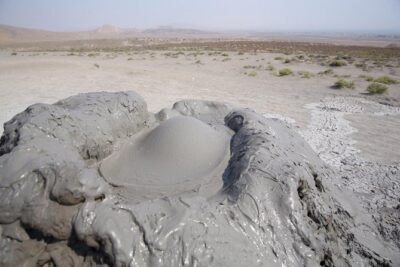
BEST Gobustan, Volcanoes & Absheron Fire Tour (Group or Private)
Read our review →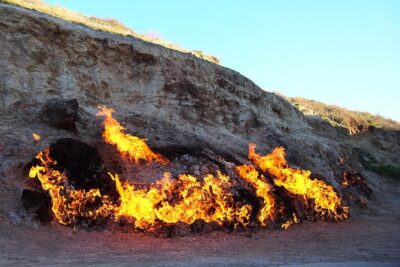
Gobustan, Volcanoes, Fire Temple and Yanardag Day Trip
Read our review →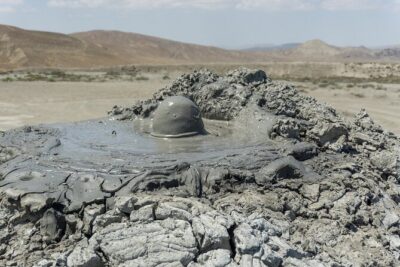
Gobustan & Mud, Fire Temple, Burning Mountain (Group & Private)
Read our review →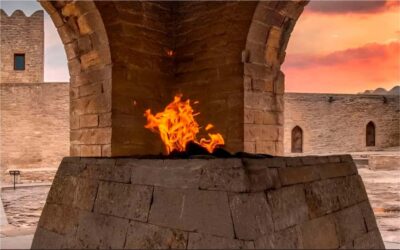
Mud Volcan-Fire Temple and Mountain Tour/Entrance inc
Read our review →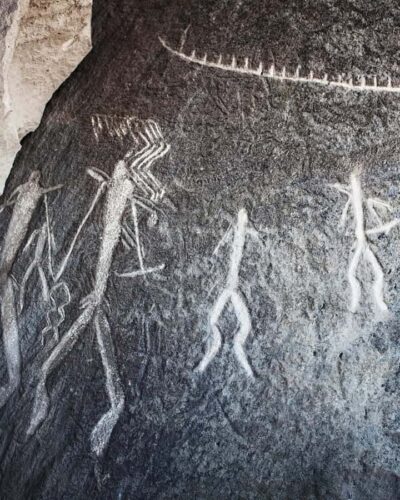
Gobustan Mud Volcanoes Temple & Entry tickets included
Read our review →Browse the lists this tour appears in