Reviewed · BAKU TOURS
Baku’s Ancient Heart
Baku’s Ancient Heart is interesting because it turns the Old City into a map you can actually walk, step by step, with real architecture and street-level details that explain how this place worked on the Silk Road and later under new rulers. I especially like the Maiden Tower start, since it gives you instant orientation, and I like how the route mixes monuments with small, story-heavy stops. One possible drawback to plan for: some highlights involve narrow stairs and no elevator, so it may feel tight if you prefer fully flat walking.
I also like the way this tour is guided by Heydar, who keeps things moving without turning it into a lecture. In the best moments, it feels more like an informed conversation, with humor and patience if you ask questions or want things explained again. For you, that matters because the Old City can be confusing at first, and a good guide helps you connect the dots fast.
With a small group size (up to 15), you are not stuck watching other people’s backs. Still, the pacing is efficient, and the tour is time-focused, so if you want to linger in one place, you should be ready to accept a quick look on this version of the walk.
Key things you will notice on this Old City route
- Maiden Tower first for orientation, then a series of nearby landmarks so you build an easy mental picture
- Silk Road caravanserais close together, with reasons behind names like Multani and Bukhara
- Legend stops that add color, including the Monument to Lovers and Cats
- Old City baths and film trivia, with the underground Yeraltı hamam and a still-functioning hammam
- UNESCO connections you can see without rushing, linking Maiden Tower and the Shirvanshahs Palace area
- Small-but-odd museums, like miniature books and the poet-focused monuments
Why the Old City tour starts at Maiden Tower
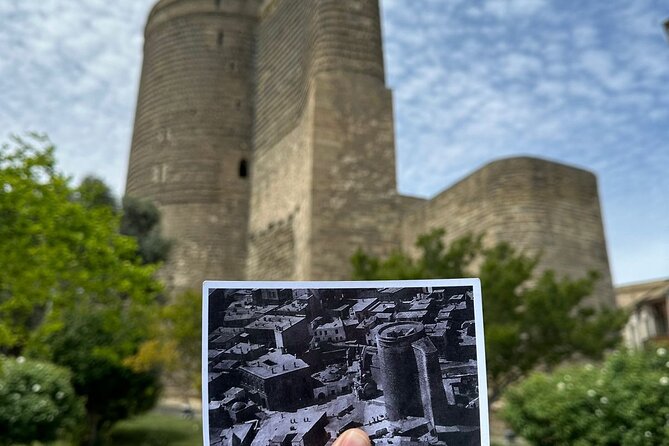
Most Old City tours in Baku start “somewhere convenient.” This one starts at Maiden Tower, which makes sense because the tower anchors the whole experience. You get the big landmark first, then everything else feels like it has a place in a bigger puzzle.
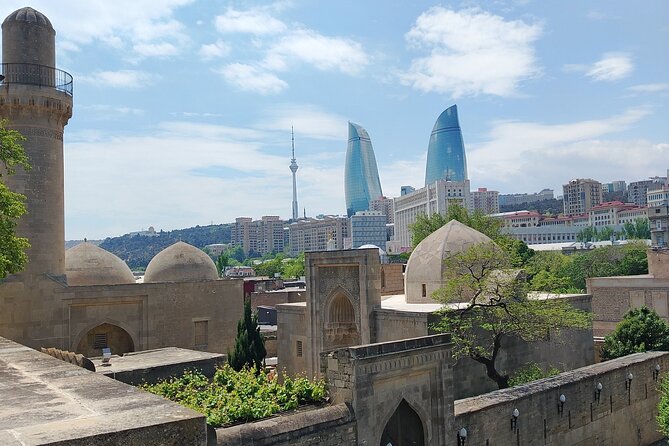
The tower is also a natural viewpoint. If you choose to buy a ticket to go to the top, you can observe the Old City and also the newer parts of Baku from above. It’s the kind of photo view that helps your brain stop thinking in single streets and start thinking in neighborhoods.
The trade-off is practical: the upper climb is narrow and there is no elevator. If you want the top, wear shoes with good grip and go at your pace. Even if you skip the top, you still get the key orientation benefit by starting here.
More Baku days worth putting side by side
- Baku: Gobustan, Mud Volcano, Fire Mount, Temple Lunch Entry
★ 4.9 · 3,246 reviews - Baku: Guba, Shahdag, Laza & Lunch w/ Free City & Night Tour
★ 4.8 · 1,455 reviews - BEST Gobustan, Volcanoes & Absheron Fire Tour (Group or Private)
★ 5.0 · 1,254 reviews
Your $25 value: a guided walk plus mostly free stop-ins
The price is $25.00 per person, and it includes the walking tour itself. You are also paying for a licensed English and Russian speaking guide, plus a mobile ticket that makes check-in simple.
A lot of the listed sights along the route are shown with admission marked free, which keeps your extra spending low. The main “possible extra” that the route signals is the option to go to the top of Maiden Tower, since that’s a separate admission choice.
The small group cap (maximum 15) is part of the value too. In a crowded Old City, fewer people means less jostling and more room for your questions, especially when the guide is explaining why a building is where it is and what story people attach to it.
Duration is listed as about 2 hours, but that can stretch depending on pace, questions, and how long you pause for photos or to read a sign. The good news is the route is structured so you do not lose time searching for where to go next.
Stop 1: Maiden Tower, then you start seeing the city as a system
From the moment you begin, you will understand why Maiden Tower is treated as Azerbaijan’s main sightseeing. It is not just impressive, it also acts like a compass. When the guide points out how the Old City is laid out around it, you start to “get” Baku instead of just collecting photos.
If you go to the top, expect a narrow climb and take it seriously. There is no elevator, and the stairs are part of the experience. If you prefer a less strenuous option, staying on the ground level still works because the guide uses the tower as the launchpad for the next stops.
The biggest payoff is the view you get after you have walked the streets below. Going upward (even briefly) makes the street-level details clearer when you look back down.
Open Air Museum and old grave stones near the tower
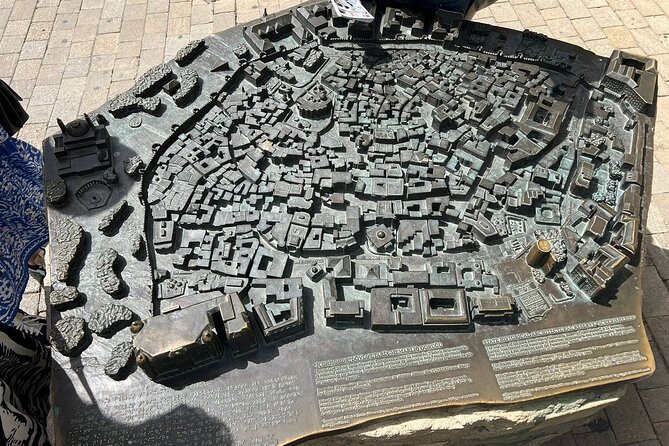
Right next to the tower area, you will pass an open air museum connected to remains of the Saint Bartholomew chapel. The key detail here is the presence of more than 50 grave stones found in the area.
Local references describe this place like a market spot. That matters because it connects a physical location to the kind of activity that might have happened here long ago, including merchant movement during the Great Silk Road era. Even if you do not read every marker, the setting makes the story feel grounded.
This is also a good early break in the walk. It is close, quick to reach, and it resets your attention before the caravanserais.
A different direction from Baku:
- Gobustan and Absheron tour (All inclusive)
★ 5.0 · 1,014 reviews - Shamakhi And Gabala Tour (All inclusive)
★ 5.0 · 815 reviews - From Baku: Gabala and Shamakhi Tour (Free Baku City Tour)
★ 4.8 · 695 reviews - Baku: Candy Cane, Guba, Khinaliq village with Homemade Lunch
★ 4.9 · 519 reviews
Multani and Bukhara caravanserais: the Silk Road brought people in
Next come two caravanserai stops that help you visualize what “hub” actually means. Caravanserais were places where merchants stayed and had protection, not just places for passing through.
Multani Caravanserai ties directly to the idea of Silk Road travel near the Maiden Tower area. Merchants, including those from Multan, stayed inside this little fortress for security of their accommodations and themselves. In practice, you will feel the “fortress logic” in the way the structure looks and how it would function as a protective stop.
Then Bukhara Caravanserai adds a different kind of historical layer. The name relates to influence from Tamerlane’s troops, with the territory linked to what is now modern Azerbaijan. It’s a reminder that Baku was affected by wider Central Asian power shifts, not just local dynasties.
Together, these two stops help you stop thinking of history as dates on plaques. You start seeing how travel, security, and political influence shaped the built environment.
Legends at the Monument to Lovers and Cats
You will hit a lighter, legend-driven stop at the Monument to Lovers and Cats. This is one of those places where the exact origin story is less important than what it proves about local culture: people attach meaning to everyday symbols.
The guide is set up to tell you multiple legends here, some sad and some love-related. Even if you only catch parts of the story, you get the point, which is that the Old City is not only about stone. It is also about what people keep repeating because it makes their world make sense.
This is a great photo stop too, and it breaks up the heavier architecture and religious sites.
House of Baku Khans: ruling power inside the city
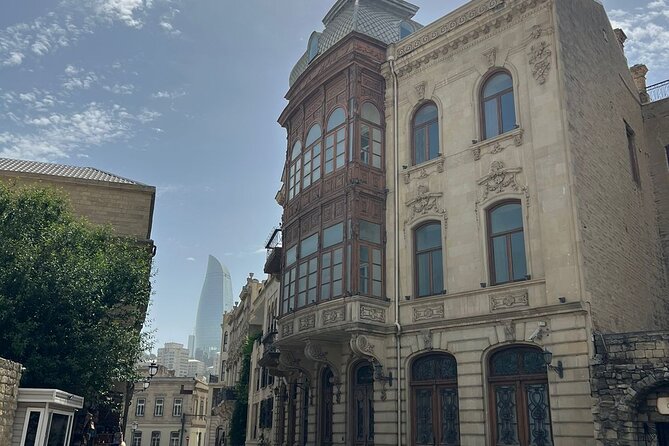
The next stop focuses on governance, showing you the House of Baku Khans. The basic timeline is dramatic: beginning in the 19th century, Azerbaijan was annexed by the Russian Empire, but before that, a city-within-a-city layout was ruled by Bakuvian khans.
The building ties to the period when khans lived here from 1747 to 1806. Even on a short stop, it gives you a sense of how power was organized, not just who held power in a distant capital.
If you like historical context that feels practical, this stop helps. You start to understand why other sites in the Old City are clustered the way they are: administration, religion, and merchant life all had to fit together.
Yeraltı hamam: the underground bathhouse feeling
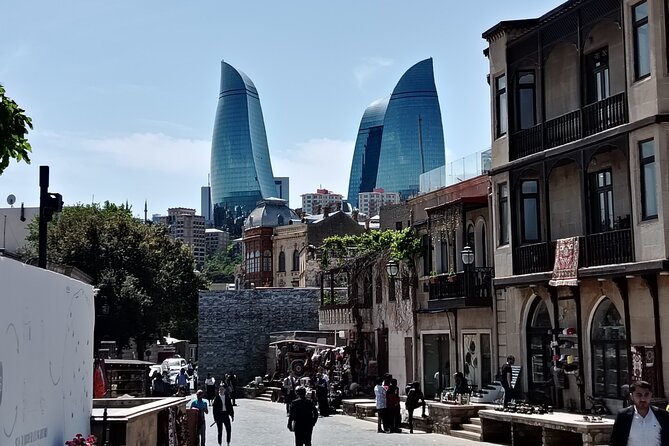
Then you move to the Yeraltı hamam (Underground Bath) situated near the Old City entrance, on the left side from the Double Gates. The attraction here is obvious: it is a 17th-century underground bathhouse concept, so it immediately feels different from street-level sightseeing.
The guide keeps it quick, but it still gives you something useful: the physical clue that daily life in this city included ritual, hygiene, and social habits that shaped the built environment. You might not spend a long time inside (since the walk is timed), but seeing the entrance area makes the idea real.
If you dislike enclosed spaces, you can still appreciate it as an architectural feature and move on with the group.
Ali Shamsi workshop: when art shows up as a wall detail
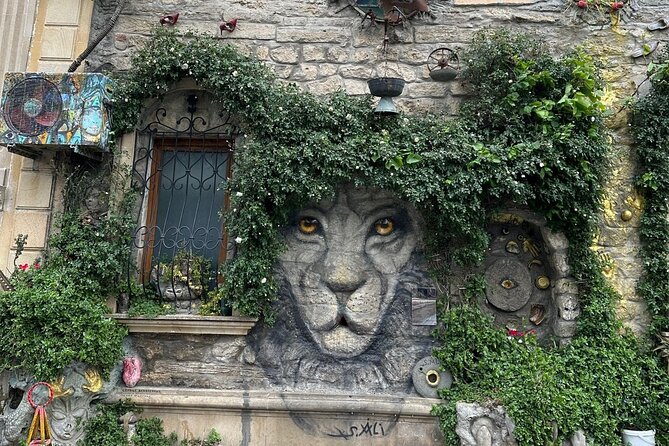
The route also includes a small art moment at the Workshop Ali Shamsi. You will notice people standing next to a wall with a large lion head depiction.
This kind of stop is underrated. It is not a museum with hours and tickets, it is a street-level reminder that Old City culture is still alive. It also gives you a visual break before you shift into larger UNESCO-linked spaces and formal religious buildings.
Shirvanshahs Palace: UNESCO context, without walking inside
At the Palace of the Shirvanshahs, the key value is context. This palace area, along with the Maiden Tower and Shirvanshahs Palace relationship, is part of the UNESCO-listed Old City ensemble.
The guide explains that the palace was built between the 12th and 15th centuries, experienced damage over time, and was restored in 2004. The palace area connects to medieval Shirvan state kings and their servants.
You will not go inside during this walk. The reason is practical: the palace area is described as more than a hectare, and it would take at least an extra hour to do properly. For you, that means this tour gives you a meaningful exterior introduction, but not a deep interior museum-style visit.
If you want inside access, you will likely need a longer add-on or a separate visit on your schedule.
Miniature books museum: nail-sized reading, Guinness-sized facts
Next you will enter the unusual and very specific at the Baku Museum of Miniature Books. The fun part here is scale. You can see books sized down to something like a nail, with the museum holding what it describes as one of the world’s biggest collections of miniature books.
The museum earned inclusion in the Guinness World Records since 2014, and the highlight called out is a very small Holy Koran from the 17th century.
This stop is quick, but it hits a different kind of curiosity. Instead of asking you to imagine how merchants traveled, it asks you to look closely at how people valued knowledge enough to shrink it down to impossible size.
Poet monuments: Vahid Monument as a Tree of life
After the miniature books, the walk shifts to literary symbolism at the Vahid Monument. It is described as a Tree of Life theme, showing how life begins and ends in the head portion connected to Aliagha Vahid.
If you like architecture and art that communicates ideas through symbolism, this stop is satisfying. It also keeps the tour from being only about buildings.
You will probably get quick legend-style explanations here too, and that helps you remember what you are seeing. Even if the walk moves fast, these story anchors stick.
Aptek Museum and Bathhouse: Soviet film trivia and an active hammam
The Old City is full of layers, and the Aptek Museum and Bathhouse stop is a good example. The guide points out a spot known by locals as part of filming for the Soviet comedy Brilliant Hand in 1968. The route frames it in a way that helps you connect modern pop culture to the old streets you are walking.
The other key detail here is the bathhouse that still functions as a hammam. The tour notes that many bathhouses were built hundreds of years ago, but this one is still operating, going from the 18th century until present.
That combination matters for you. You are not just sightseeing history in a quiet museum. You are seeing how old infrastructure can still play a role in daily life.
Pomegranate wine stop and Vagif Mustafazadeh house museum
Next the route includes a food and culture option at an Absheron Sharab Wine Shop, with pomegranate wine called out as a local fame. The guide says you can visit and degustate if you wish, so this is a choose-your-own-adventure moment.
Later you stop at the House Museum of Vagif Mustafazadeh. The point here is musical fusion. The guide explains that Vagif Mustafazadeh mixed Azerbaijani folk music of Mugam with American jazz, and he lived a short life but became well known for that creative blend.
If you like cultural history where you can taste or hear the influence, these are two strong stops. If you prefer a fully non-food route, you can simply skip the tasting without breaking the flow.
Mosques across centuries: Muhammad Mosque, Juma Mosque, Lezgi Mosque
The tour ends with multiple mosque stops, and they show you how religious architecture evolved inside the Old City.
First is the Muhammad Mosque, described as the oldest mosque in the Old City, built in the 11th century. The guide adds a fascinating theory that the site likely connected to a Zoroastrian fire temple. You will also hear about traces of fire under the prayer hall and spiritual artifacts. Locals also know it as the Broken Tower, with an explanation tied to the story.
Then comes the Juma Mosque, described as the single mosque where women can pray inside the Old City, and also the biggest mosque there. It was built in the 12th century and restored in the beginning of the 20th century.
Finally there is the Lezgi Mosque, built in the 12th century by Ibragim Ashur, also known as Lezgian mosque. This stop comes with a practical note: it is under reconstruction, so you may see less than the full original details.
If you are sensitive to changes due to restoration work, keep your expectations flexible. Even so, the religious and architectural timeline across these three stops is one of the strongest ways to understand the Old City as a living religious space, not a frozen outdoor set.
Practical tips so you enjoy every stop
This walk is structured for short viewing windows, so your best strategy is to wear footwear you trust. The Old City has cobblestones and you will be moving in small spurts from stop to stop. You will also want a light layer, since weather can shift quickly and the tour requires good conditions.
Plan for narrow stairs if you choose to go up the Maiden Tower. There is no elevator, and the climb is narrow upstairs. If that is not your thing, you still get the tower’s value by staying at ground level.
Bring a little extra cash if you want the tasting of pomegranate wine or if you decide to purchase tickets to top the Maiden Tower. Most other stops are free to view or are presented without additional payments, but personal choices can add up.
If your interests lean toward history with stories, this route works well. If you want a deep museum day with long interior time, you will probably want to add separate visits for things like the Shirvanshahs Palace interior and any museum that grabs you most.
Should you book Baku’s Ancient Heart Old City walk?
Book it if you want a tight, well-guided introduction to Baku’s Old City without getting lost. Starting at Maiden Tower and then connecting caravanserais, khan history, baths, museums, and mosque architecture gives you a complete mental map in one afternoon.
Skip it or plan an alternative if you dislike stairs or need fully flat walking, because the Maiden Tower climb option is narrow and there is no elevator. Also skip if you want long interior time inside the Shirvanshahs Palace, since this route keeps it mostly exterior due to the size of the area.
If you like being with a guide like Heydar, who keeps it patient and light with explanations and humor, this tour matches that style. For most people, it is a simple win: you get a lot of Old City meaning for one straightforward price.
FAQ
How long is Baku’s Ancient Heart Old City tour?
The tour lasts about 2 hours (approx.), with a timed walk between nearby landmarks.
What does the $25 price include?
It includes only the walking tour itself, along with a licensed English and Russian speaking guide. Tips are not included.
Do I need separate tickets for anything?
The route notes that you can buy a ticket if you want to go to the top of Maiden Tower. The other listed stops are marked as admission free.
How big is the group?
The tour has a maximum of 15 travelers.
Where do we meet, and where does the tour end?
The meeting point is 16 Asəf Zeynallı küç, Bakı, Azerbaijan. The tour ends back at the same meeting point.
What language will the guide speak?
The guide is licensed to speak English and Russian.
What happens if the weather is bad or I need to cancel?
The experience requires good weather, and if it is canceled due to poor weather you will be offered a different date or a full refund. You can cancel for a full refund if you cancel at least 24 hours in advance. Within 24 hours, you do not receive a refund.
Latest Baku reviews
- Gobustan Magic of Mud Volcanoes and Ancient Petroglyphs★ 5.0 · 3 reviews
- Gobustan Tour and Mad Volcanoes – tour to stone age★ 5.0 · 3 reviews
- Gobustan & Mud Volcano★ 4.5 · 3 reviews
- All destinations included Baku city tour for 1 day★ 5.0 · 3 reviews
- A Full Day Adventure: Khinalug, Guba & Candy Mountains Tour★ 5.0 · 3 reviews
- Small-Group Day Trip to Gobustan, Mud Volcanoes, Ateshgah & Yanar Dagh★ 4.5 · 3 reviews
- A Private Day Trip to Shahdag Ski Resort★ 5.0 · 3 reviews
- Private Sheki Tour – Four Regions of Azerbaijan in one day★ 5.0 · 3 reviews
Baku Tours, compared.
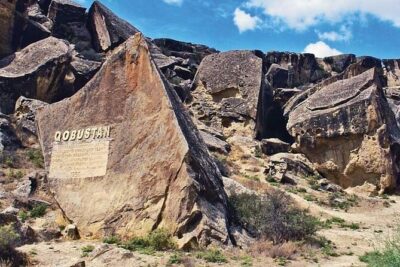
Gobustan, Mud Volcano, Fire Mount, Temple Lunch Entry
Read our review →
Guba, Shahdag, Laza & Lunch w/ Free City & Night Tour
Read our review →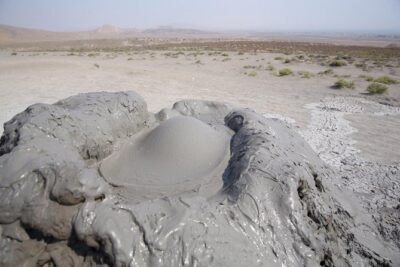
BEST Gobustan, Volcanoes & Absheron Fire Tour (Group or Private)
Read our review →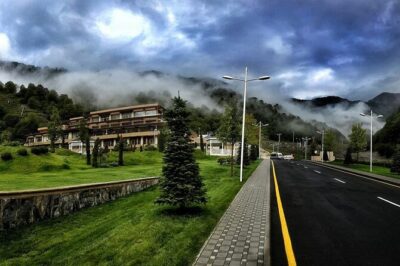
Candy Cane, Guba, Khinaliq village with Homemade Lunch
Read our review →