Reviewed · TOURS
Baku Sightseing Tour
Baku is interesting because you get a fast mix of futuristic architecture, old-school traditions, and still-very-real cultural rituals all in one compact plan. I especially like the Azerbaijan National Carpet Museum stop and the long stretch of Baku Boulevard seaside walking that sets a relaxed mood for the rest of the trip.
The trade-off is time. Some stops are built for quick looks and photos, so if you want slow museum time at every location, you’ll feel a bit rushed.
Key highlights at a glance
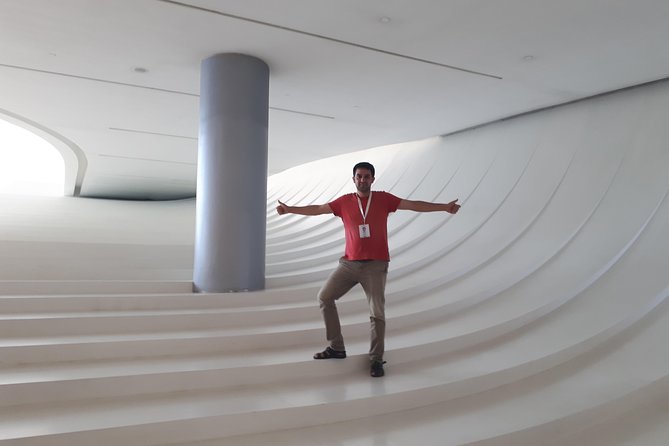
- Carpet Museum quick hit: the first carpet museum in the world, with free admission for your visit window
- Little Venice and culture stops close together: photo friendly, easy to fit between bigger sights
- Mugham Centre focus: a concert hall tied to national Azerbaijani music
- Baku Boulevard stretch: 12 km of seaside park that works as your scenic spine
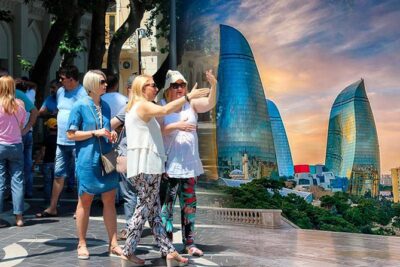
- Flame Tower and Highland Park: classic skyline viewpoints included in the day 1 finish
- Fire sites on day 2: Ateshgah and Yanar Dag are the standout experiences, with tickets not included
Why this two-day Baku route makes sense
This plan is built for people who want to see a lot without turning every hour into a logistics puzzle. You get a private setup for up to three people, pickup is offered, and the pacing stays realistic because many stops are close to each other in central Baku.
Day 1 is the “get your bearings fast” day. You start with a cultural anchor in the carpet world, then flow through music and quirky landmarks, and end with big city viewpoints from Highland Park. Day 2 goes further for Baku’s signature subject: fire, through Zoroastrian-linked sites like Ateshgah and Yanar Dag.
One note on guides: this operator has worked with guides like Roman and Fuad (and others such as Saleh and Elgun when schedules change), and the recurring theme is that your guide explains what you’re seeing in plain language, not museum jargon. That matters because Baku’s architecture and symbols can feel abstract unless someone gives you the keys.
More Baku days worth putting side by side
- Baku: Gobustan, Mud Volcano, Fire Mount, Temple Lunch Entry
★ 4.9 · 3,246 reviews - Baku: Guba, Shahdag, Laza & Lunch w/ Free City & Night Tour
★ 4.8 · 1,455 reviews - BEST Gobustan, Volcanoes & Absheron Fire Tour (Group or Private)
★ 5.0 · 1,254 reviews
Day 1 in central Baku: carpets, music, and a seaside spine
Azerbaijan National Carpet Museum (free, short visit)
You begin at the Azerbaijan National Carpet Museum, and it’s a smart opener because carpets in this part of the world are more than decor. They connect to craft traditions, family stories, and regional patterns, and they’re a fast way to understand how people live and remember.
This stop is listed as about 10 minutes with free admission for the ticket. That tells you the emphasis is on a quick orientation, not a full deep dive. If you’re the type who wants to read every label, you may have to accept that you can’t do everything in a two-day schedule.
Little Venice (photo stop, 1960 origin)
Next comes Little Venice, created as an attraction around 1960. Even if you’ve seen “theme canals” in other places, this one helps you understand Baku’s habit of mixing local identity with playful, city-made moments. Expect a brief stop for photos and a walk-by look rather than a long linger.
A different direction from Baku:
- Gobustan and Absheron tour (All inclusive)
★ 5.0 · 1,014 reviews - Shamakhi And Gabala Tour (All inclusive)
★ 5.0 · 815 reviews - From Baku: Gabala and Shamakhi Tour (Free Baku City Tour)
★ 4.8 · 695 reviews - Baku: Candy Cane, Guba, Khinaliq village with Homemade Lunch
★ 4.9 · 519 reviews
Mugham Centre (concert hall tied to national music)
Then you move to the Mugham Centre, a concert hall. Mugham is often described as Azerbaijan’s national music tradition, and even if you never catch a performance here, the building gives context. It’s one of those “cultural geography” moments, where you can see how art is supported in physical space.
Use this time to ask your guide what makes mugham different from standard concert music. The best part of a guided stop is getting the quick explanation you would otherwise miss.
Deniz Mall (modern marker, built in 2019)
You’ll also pass by Deniz Mall, built in 2019. This is a small stop, but it’s useful. Baku is growing fast, and that growth sits right next to older traditions. You’re not only touring monuments, you’re watching how the city updates itself.
Baku Boulevard (12 km seaside park)
Now you get the main scenic stretch: Baku Boulevard, a 12 km seaside park. This is your relaxed runway between the city’s big cultural moments and its skyline views. Walking here also makes the whole day feel easier on your body, because the route is mostly flat and open.
Practical tip: bring something for sun and wind. The Caspian Sea can mean bright light one minute and a chilly breeze the next.
Heydar Aliyev Center exterior and the I Love Baku sign
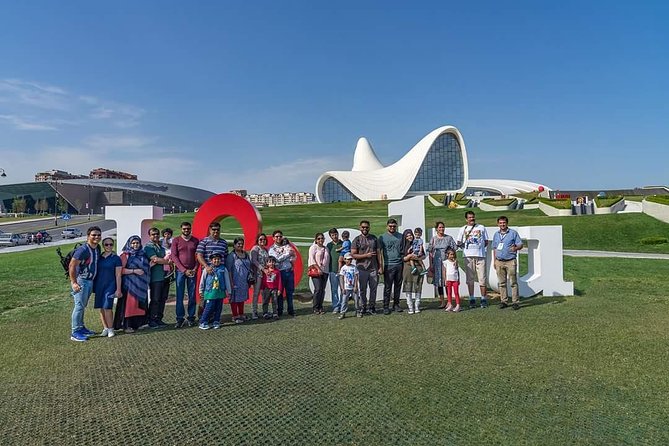
Finally on day 1, you stop at the Heydar Aliyev Center, built in 2012 and designed by Zaha Hadid. You’re not going inside, but you still get the key photo moment and the chance to appreciate how the structure flows. You’ll also stop for the I Love Baku sign.
This is one of those stops where the exterior does most of the work. If you want museum-level time inside, this plan probably won’t satisfy you, but for a two-day overview it’s well matched to the overall pace.
Day 1 closer: Alley of Honor and Highland Park viewpoints
Alley of Honor (free, quick immersion)
Your next stop is the Alley of Honor, a tribute space for great Azerbaijanis, with free admission and about 20 minutes. This isn’t “entertainment” tourism, but it’s a meaningful way to understand what the country chooses to remember.
If you’re the type who likes reflective stops, take an extra minute to read the names and dates where you can. Your guide can usually connect the memorial themes to broader national history in a way that feels relevant, not heavy.
Highland Park, Flame Tower, and a view that finishes the day
The day wraps at Highland Park, including the Flame Tower, the funicular, and a viewpoint area. It’s listed for about 30 minutes and free for the visit, and this is a strong ending because it gives you a skyline reset.
Why it works: you see Baku from above after spending the day down at street level by the sea and cultural buildings. The skyline perspective also makes the rest of your sightseeing make more sense the next day.
One practical note: if you plan to use the funicular, check onsite. The tour includes the stop and time in the area, but your exact ride details and any ticket needs aren’t specified.
Day 2: the fire sites that define Baku’s story
Day 2 is where the tour gets more specific and more “Azerbaijan-only.” The focus shifts from city icons to places tied to fire symbolism and Zoroastrian tradition.
Expect a drive out from central Baku for the set of outdoor sites. The stop times are shorter, but the sights themselves are usually memorable enough that you don’t need hours.
Ateshgah – Fire Temple (ticket not included, 45 minutes)
First is Ateshgah, the Fire Temple associated with Zoroastrians. You get about 45 minutes on site, and entry tickets are listed as not included. The tour notes that the ticket is in manat.
This is your main indoor-outdoor anchor of the day. If you want context, ask your guide before you start walking the grounds so you understand what you’re looking at and why fire matters here. Your time window is long enough to do that and still explore.
What to watch for: outdoor areas can be uneven, and lighting changes quickly in open spaces. Comfortable shoes help.
Yanar Dag (Burning Mountain, 20 minutes, ticket not included)
Next comes Yanar Dag, the Burning Mountain. You’ll spend about 20 minutes, and again admission is not included.
This stop is short by design. The point is to reach the site, understand the phenomenon, take your photos, and move on without eating your whole day. If you’re traveling with someone who loves science explanations, ask your guide to explain the fire in simple terms so you don’t just see a flame, you understand what’s behind it.
Ramana Castle (20 minutes, ticket not included)
The last sight is Ramana Castle, with about 20 minutes and admission not included. Even with a short visit, you usually get the value of switching again from fire themes to another layer of place identity.
Because time is limited, focus on walking the areas you can access easily and using your guide to point out what matters architecturally or historically. Don’t try to “do it all” here. Think of it as a strong closing chapter, not the full book.
Price and value: what $217.95 really buys for a small group
The price is listed as $217.95 per group, up to 3 people, with a duration of about 2 days. Pickup is offered.
Here’s the practical math: if you’re a solo traveler, the effective cost is the full $217.95 for your day set. If you’re traveling as a pair, you’re splitting it. If you’ve got three people, the per-person cost drops a lot, and that’s when this kind of private two-day route often feels like the best deal.
What you get for that cost is not only transportation between stops. You’re buying someone local to organize the order, explain what’s in front of you, and keep the route efficient. The ticket mix is also important:
- Some stops include free admission like the Carpet Museum, Alley of Honor, and the Highland Park area (as listed).
- Other key sights on day 2 (Ateshgah, Yanar Dag, Ramana Castle) have tickets not included and you’ll pay onsite in the local currency where applicable.
So the value is strongest if you’re happy with a guided, organized overview and you’re comfortable paying separate entrance fees for the outdoor fire and castle sites.
What to expect day by day, realistically
If you like clear expectations, here’s the vibe:
- Day 1 is city-friendly and photo-friendly. The times are short at multiple stops, so you’ll mostly “see and understand” rather than “camp in museums.”
- Day 2 is outdoor and phenomenon-based. Even with shorter stop lengths, the subject matter gives you a payoff. You don’t need to be a history buff to get something from the fire sites.
Also, this is listed as a private tour/activity, meaning only your group participates. That matters because you can set the pace slightly with your guide, especially if you’re traveling with friends who want different photo styles or walking speeds.
Guide quality: why the human explanation changes the whole trip
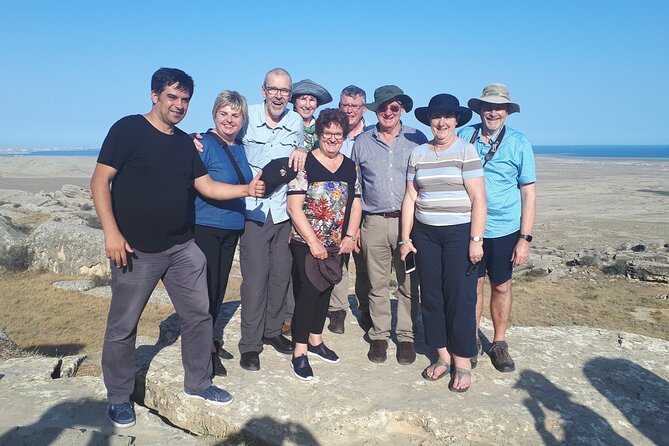
The guide is often the difference between “I saw buildings” and “I get what the city is doing.” In the feedback tied to this operator, Roman repeatedly comes up as an excellent guide, with praise for making landmarks meaningful and keeping communication easy in English. The same pattern shows up with other guides like Fuad, Saleh, and Elgun.
What you should do on your side: ask one or two curiosity questions per stop. For example:
- Why carpets matter culturally beyond decoration
- What mugham represents and why the concert hall location is important
- How fire symbolism connects to the places you visit on day 2
That turns a list of stops into a coherent story.
Tips to make this tour feel smooth (not rushed)
- Plan for short stops on day 1. If a stop is calling your name, spend your energy there and don’t try to “win” the schedule.
- Bring a light layer for the Boulevard area. Coastal breezes can change fast.
- Wear comfortable shoes. Even without huge distances, the day includes walking, stairs around viewpoints, and outdoor terrain.
- Have a small amount of local cash or payment option for the sites where tickets aren’t included, like Ateshgah (not included, in manat).
- If you’re traveling with a tight schedule, remember the tour ends back at the meeting point.
Should you book this Baku sightseeing tour?
I’d book it if you want a well-ordered two-day overview of Baku that balances icons, music-linked culture, and the fire sites that make this city unlike other capitals. It’s especially worth it when you can split the group cost across up to three people, since the per-person value becomes much more attractive.
I would think twice if you’re the type who needs long museum time and unhurried wandering at every stop. This plan is efficient by design, and some stops are built for quick entry and short stays.
If your goal is to walk away with clear context and strong photos without spending your whole trip organizing transport, this is a solid choice.
FAQ
What is the price for this Baku sightseeing tour?
It costs $217.95 per group, for up to 3 people.
How long is the tour?
The duration is about 2 days.
Is pickup included?
Pickup is offered.
Are tickets for all stops included in the price?
Not all tickets are included. For example, entry to Ateshgah – Fire Temple is not included, and the tour notes tickets for Yanar Dag and Ramana Castle are also not included.
Is the tour private?
Yes. It is a private tour/activity, and only your group participates.
Where does the tour start and end?
The meeting is listed as Baku, Azerbaijan, and the activity ends back at the meeting point.
What are the ticket redemption hours?
Ticket redemption is listed for Monday to Wednesday, 9:00 AM to 1:30 PM, for the given date range.
Is the tour near public transportation?
Yes, it is near public transportation.
Are service animals allowed?
Yes, service animals are allowed.
Latest Baku reviews
- Gobustan Magic of Mud Volcanoes and Ancient Petroglyphs★ 5.0 · 3 reviews
- Gobustan & Mud Volcano★ 4.5 · 3 reviews
- Gobustan Tour and Mad Volcanoes – tour to stone age★ 5.0 · 3 reviews
- A Full Day Adventure: Khinalug, Guba & Candy Mountains Tour★ 5.0 · 3 reviews
- All destinations included Baku city tour for 1 day★ 5.0 · 3 reviews
- A Private Day Trip to Shahdag Ski Resort★ 5.0 · 3 reviews
- Small-Group Day Trip to Gobustan, Mud Volcanoes, Ateshgah & Yanar Dagh★ 4.5 · 3 reviews
- Private Sheki Tour – Four Regions of Azerbaijan in one day★ 5.0 · 3 reviews
Tours, compared.
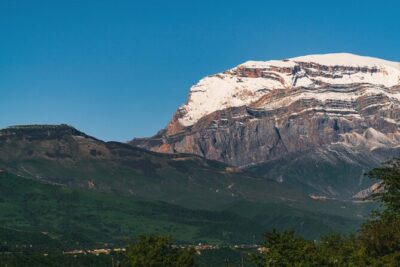
Guba, Shahdag, Laza & Lunch w/ Free City & Night Tour
Read our review →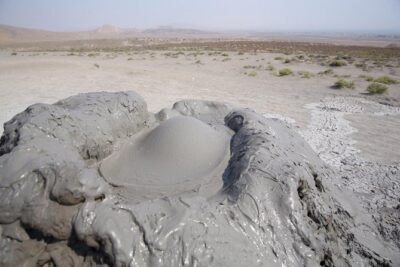
BEST Gobustan, Volcanoes & Absheron Fire Tour (Group or Private)
Read our review →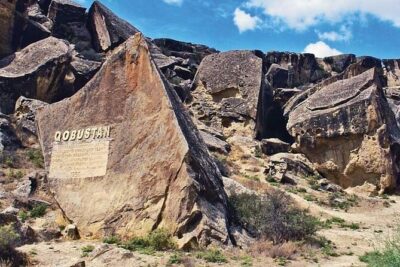
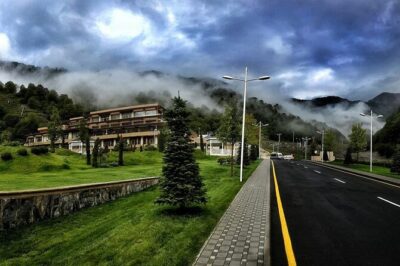
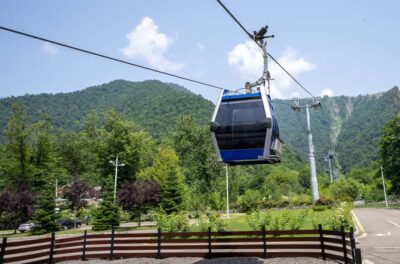
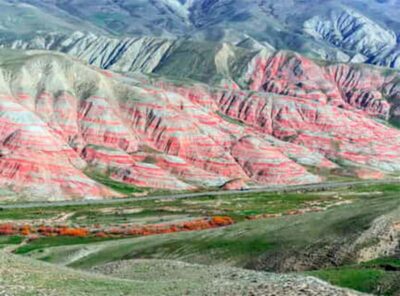
Guba & Sahdag Tour Lunch included and Laza Waterfall
Read our review →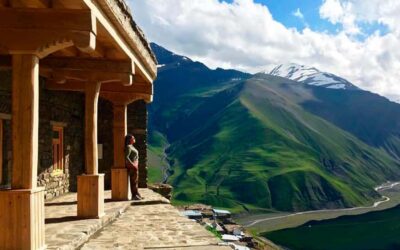
Guba Khinalig & Candy Cane Tour with Homemade Lunch
Read our review →