
Reviewed · GOBUSTAN NATIONAL PARK
Baku: Gobustan, Mud Volcanoes, Ateshgah, and Yanardag Tour
This Absheron Peninsula circuit is interesting because it makes Baku feel like a map of ideas, not just a list of sights. You start with ancient rock art, then move to bubbling mud volcanoes, and finish at places where people have watched fire for centuries.
I especially like how the Gobustan stop uses an interactive setup, with touch screens and 3D panoramas that help you picture life 5,000 to 20,000 years ago. I also like that the guide connects the region’s geology to its spirituality, linking Zoroastrian themes at Ateshgah and the natural flame at Yanardag.
One drawback to think about: it is a full 9-hour day with several outdoor walks and climbs, and lunch plus some ticket fees are extra. If you hate spending all day on your feet, plan carefully.
Key highlights to look forward to
- Gobustan Museum first, so the rock art has context before you go outside
- 6,000+ petroglyphs and caves to explore with a guide
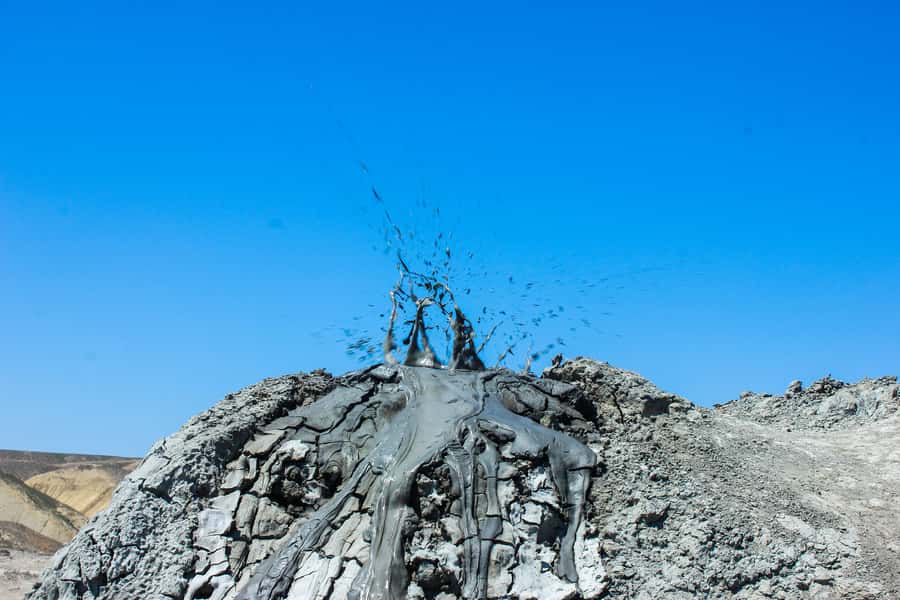
- Mud volcanoes in Azerbaijan, including up-close crater views
- Ateshgah Fire Temple, tied to both Hindu and Zoroastrian worship
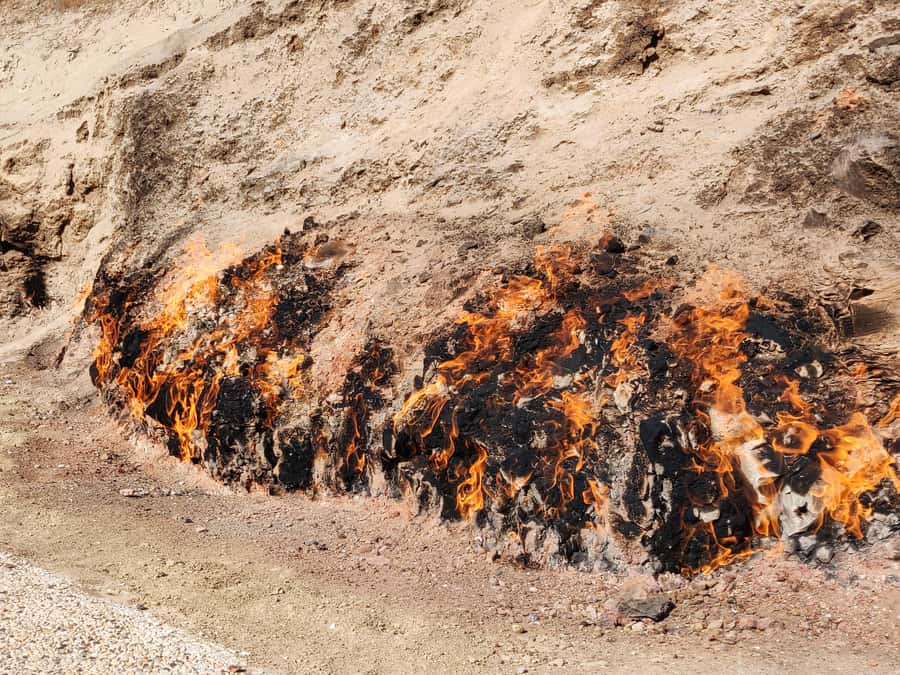
- Yanardag Burning Mountain, a constant natural gas flame visitors still come to see
- Private, English-guided pacing with hotel pickup and drop-off to Fountain Square
A Full Day on the Absheron Peninsula: Fire, Mud, and Prehistoric Rock Art
This tour is built around a simple theme: earth and fire, and how people living here made meaning out of both. On one day, you’ll move from the storytelling walls of Gobustan to the physical reality of active mud volcano craters. Then you’ll switch gears into places associated with flame worship, including a site where fire worshippers left behind stone chambers and where a hillside flame keeps burning.
You can also treat this as a shortcut to understanding Azerbaijan’s big time scales. Gobustan stretches back to the era when early humans were drawing their world into rock. Mud volcanoes bring you to deep time, described as forming over 25 million years ago. And then Ateshgah and Yanardag connect to the religious ideas tied to Zoroastrianism, with references reaching back to the 7th century AD for Ateshgah.
If you like tours where the guide explains why things connect, this one is strong. The pacing is guided and private, so you’re not stuck trying to interpret everything on your own.
More trips to the burning mountain:
- Baku: Gobustan, Volcanoes, Fire Temple and Yanardag Day Trip
★ 4.7 · 433 reviews - Gobustan & Mud, Fire Temple, Burning Mountain (Group & Private)
★ 4.5 · 418 reviews - Gobustan, Mud volcanoes, Fire temple, Fire mountain PRIVATE TOUR
★ 5.0 · 47 reviews
Gobustan Museum and the Rock Art Cultural Landscape
The day starts at Gobustan with the interactive museum. This matters more than you might think. The rocks outside are dramatic, but without context, you can end up seeing lots of lines and missing the story. Inside, you’ll learn about the natural environment, the population and cultural development in the area, and the pace of archaeological expeditions there.
The museum experience is designed to help you grasp time. You’ll see exhibits dated around the 4th to 2nd millennium BC, plus visual tools that show how people lived roughly 5,000 to 20,000 years ago. The touch screens and 3D panoramas are a big help if you want to understand the rock art instead of just taking photos.
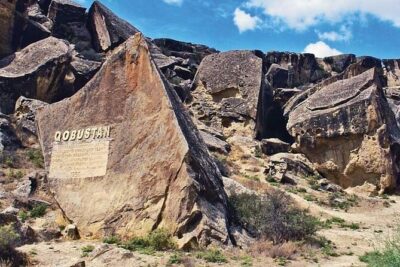
After the museum, you head to the Gobustan rocks. This is where the site earns its reputation. You’ll see more than 6,000 rock drawings and caves. The focus is petroglyphs from different eras, which helps you understand that the site wasn’t created in a single moment. Archaeological work began in earnest with discoveries by scientists in the 1930s, and the guide can point out how the drawings reflect worldview, customs, and traditions.
What you’ll want to bring for Gobustan
- Comfortable shoes, because the terrain can be uneven
- Water and sunscreen, since you’ll be outdoors
- A camera, because the rock art looks different in different light
One practical consideration
Gobustan is one of those places where shade can be limited. Plan for sun, and don’t underestimate how long you’ll stay focused once the guide starts connecting images to real life.
Other visits to the Ateshgah fire temple:
- Gobustan-Mud Volcan-Fire Temple and Mountain Tour/Entrance inc
★ 5.0 · 267 reviews - Gobustan & Mud, Fire Temple, Burning Mountain, H.A. Center
★ 4.6 · 46 reviews - Ateshgah Fire temple and Burning mountain tour
★ 4.5 · 42 reviews - Baku: Gobustan, Mud Volcanoes, Fire Temple, & Yanar Dag Tour
★ 4.8 · 36 reviews
Mud Volcanoes: Active Craters and Why People Treat Them Like Medicine
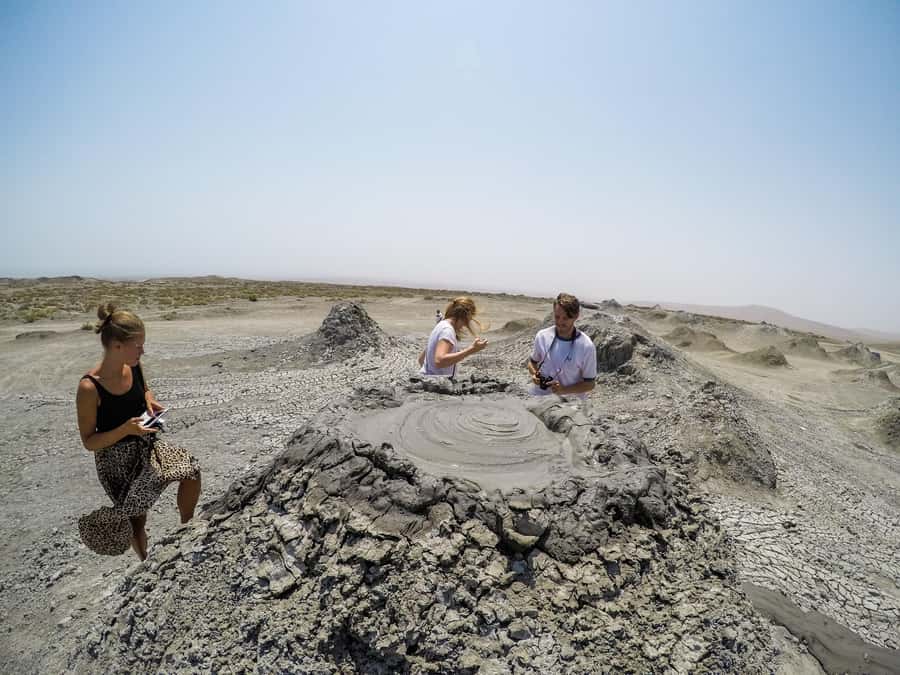
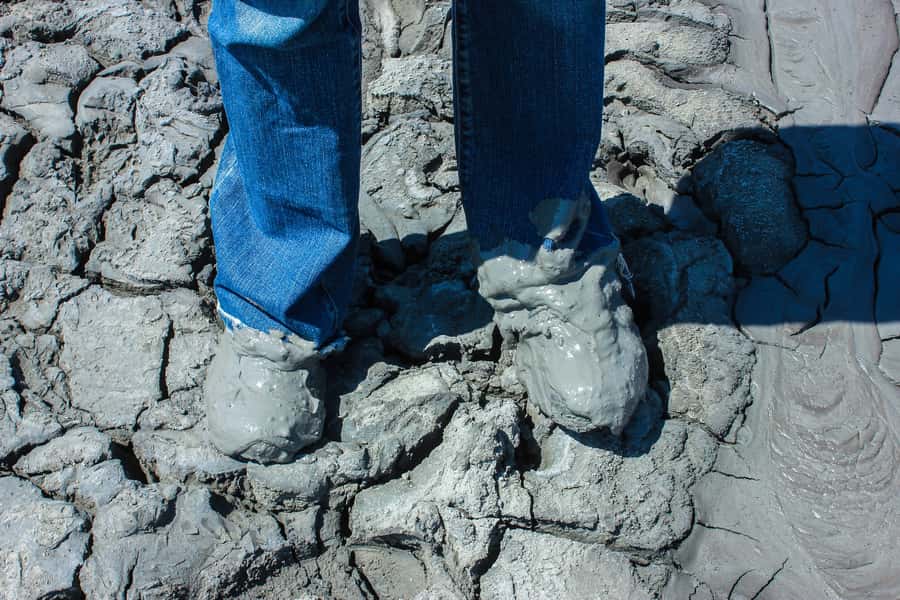
Next comes the mud volcano stop, usually around 40 minutes on site with guided time. This is the part where the tour feels most physical and least museum-like. These aren’t staged eruptions. You’ll be climbing on or near active mud volcano formations and looking into craters up close.
What makes this stop stand out is how it’s framed. The tour explains that Azerbaijan has an exceptional number of mud volcanoes, ranking first in the world with 350 mud volcanoes out of about 800 in the country. It also gives you deep context on origin time, describing the mud volcanoes as appearing on what is now Azerbaijani territory about 25 million years ago.
Then there’s the practical angle. The tour covers how mud and volcanic material are used as raw material in chemical and construction industries. It also mentions pharmacology and uses in treatments tied to the nervous system, skin, and rheumatism.
What to expect when you climb and look
You’ll get close enough to appreciate scale and texture. The terrain can be uneven around active craters, so think sturdy footing. If you get lightheaded easily, take it slow while climbing and keep sipping water.
Lunch break, then fire sites
After the mud volcano portion, you take a break for lunch in the city center. This is smart pacing. You get the active part out of the way first, then reset before you shift from geology to religious architecture.
Ateshgah Fire Temple: Cells for Fire Worshippers and a 7th-Century Anchor
After lunch, you go to Ateshgah, the Fire Temple. This is one of those stops that becomes more interesting when you learn how layers of belief overlap in the same place.
The tour presents Ateshgah as a site that was used as a Hindu and Zoroastrian place of worship. The first mention of the temple is traced to the 7th century AD, which gives you a real anchor point in time.
On site, you’ll see architectural features tied to fire worshippers. The tour notes many cells for fire worshippers and highlights that historical exhibits were found during excavations. In other words, you’re not only looking at buildings, you’re learning how the site was interpreted and studied.
Why this stop is worth it
A lot of religious sites are one-note for visitors. Ateshgah can feel more like a cultural crossroads. It connects to Zoroastrianism, but it also acknowledges other religious use. That makes it easier to understand why fire itself mattered here, and why the region kept producing sacred sites linked to flame.
A practical tip
Even though this is not an all-out outdoor trek, you’re still in a day packed with walking. Comfortable shoes stay your best friend. Also, have your camera ready, because the temple’s design details are easier to spot when you’re not rushing.
Yanardag Burning Mountain: The Natural Flame That Draws Pilgrims
The last major stop is Yanardag, also called the Burning Mountain. This is the flame on the hillside near Baku, powered by natural gas, and described as constantly burning since ancient times.
The name matters here. Yanardag is explained as meaning Burning Mountain. That’s not just a poetic label. It tells you how people experience the site: it’s a living reminder of fire in the landscape.
You’ll also hear that pilgrims from Iran and India still come to visit. That detail adds a sense of continuity. This isn’t a museum flame kept alive by a switch. People return because the flame still behaves like a natural phenomenon they believe is sacred.
What you should aim to do at Yanardag
Slow down. This is the kind of place where a quick photo turn-and-run can make you miss the atmosphere. Give yourself a moment to watch the flame and look around. The site’s meaning is tied to being there, not just recording it.
Timing note
The guided time is around 40 minutes. That’s enough to see the main areas and still feel unhurried if you’re not sprinting between spots.
Timing, Comfort, and Budget: Making the Day Worth the Money
At $99 per person, the tour price is positioned as a solid value for a private, guided full day. The big reason it feels worth it is that you’re not just paying for transport. You’re paying for a guide who ties the geology, the archaeology, and the religious sites into one connected narrative.
Also, the tour includes:
- pickup and drop-off at your hotel or other location in Baku
- a private transportation setup
- an accredited English-speaking guide
- visits to Gobustan Rock Art Cultural Landscape, mud volcanoes, Ateshgah Fire Temple, and Yanardag
What’s not included is important for budgeting. Lunch is not included. And there are separate entry tickets for sites. The listed extra fees are:
- USD 6 for the Gobustan entry
- USD 9 for the mud volcanoes
- USD 9 for the Ateshgah and Yanardag visits
Add in a bit of buffer for drinks and snacks you buy around lunch, and you’ll have a realistic idea of your total spend.
Comfort and pace
This is a 9-hour outing, and several portions are outdoors, including climbing and crater viewing at the mud volcanoes. The tour is not suitable for wheelchair users, so if mobility is a concern, take that seriously.
For the “what to bring” list, stick to the basics the tour asks for:
- comfortable shoes
- camera
- sunscreen
- water
One more small tip: bring a lightweight layer if you run into cooler evening air after dropping off, especially if you plan to keep walking around Baku.
Ending location
You get dropped back at Fountain Square, which is a handy landing point. It’s a convenient way to transition into dinner or a relaxed wander without needing to figure out your own transport right away.
Who This Tour Fits Best (and Who Might Skip It)
I think this tour is best for you if:
- you want a guided day that mixes prehistoric archaeology and living religious sites
- you like explanations that connect different types of evidence, rock art, temple architecture, and natural phenomena
- you prefer a private format with a live English guide rather than a rushed group bus
You might skip it if:
- you want a shorter outing, because this is a full day
- you have limited mobility, because the mud volcano areas include climbing and uneven ground
It’s also a good choice if you’re visiting Baku and want to do more than just Old City streets and modern viewpoints. This one adds a sense of place that reaches beyond the city.
About the guide (and why it matters here)
This tour is led by an English guide, and the quality of guiding is a big part of the experience. One guide name you may see in recent tours is Mushfiq, praised for strong English and an ability to explain Azerbaijan in a way that feels connected, not memorized.
In one case, Mushfiq even went past the basic tour flow by escorting guests toward Baku’s old town afterward and pointing them to good dinner spots. That’s not something you should count on, but it tells you the guiding style can be thoughtful and practical.
Should You Book This Baku Sites Circuit?
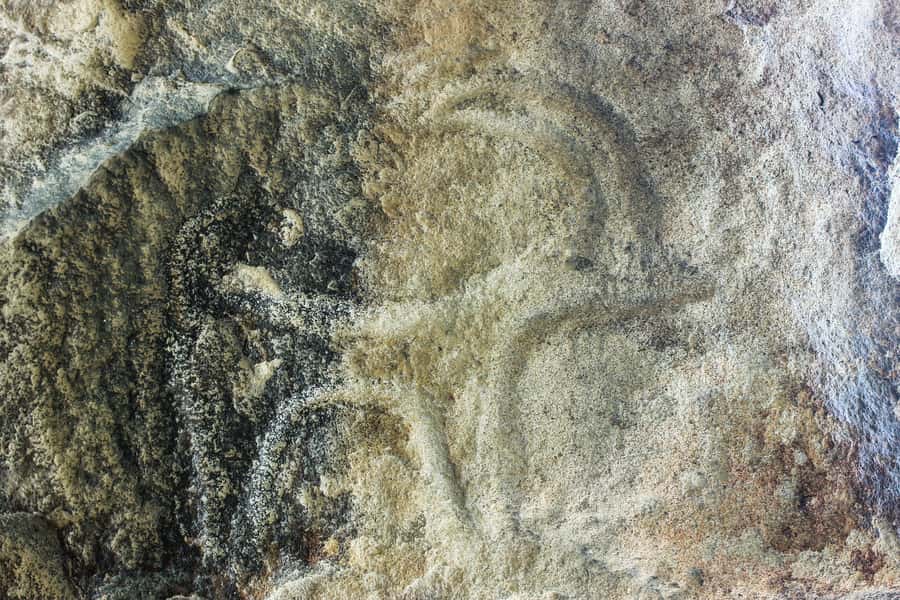
Yes, I’d recommend booking if you want a day that actually teaches you something in a memorable way. The Gobustan portion sets the story up, the mud volcanoes deliver the wow factor with close-up crater views, and Ateshgah plus Yanardag give you the fire theme with both human architecture and a natural flame.
It’s also a smart pick for value compared to piecing together four separate sites on your own, especially because you get a private transport setup and an English guide who connects the dots.
If you’re flexible, you can book with reserve now and pay later options, and the tour offers free cancellation up to 24 hours in advance. For most people, that makes it easier to fit into a Baku schedule without stressing over timing.
If you’re the type who likes understanding, not just visiting, this is one of the better ways to spend a day outside central Baku.
FAQ
How long is the Baku Gobustan, Mud Volcanoes, Ateshgah, and Yanardag tour?
The tour lasts 9 hours.
What stops are included during the day?
You’ll visit the Gobustan Museum and Gobustan Rock Art Cultural Landscape, the mud volcanoes, the Ateshgah Fire Temple, and Yanardag (Burning Mountain). You also get hotel pickup and drop-off in Baku, with drop-off at Fountain Square.
Is lunch included in the price?
No, lunch is not included. There is a break for lunch in the city center during the tour.
Are entry tickets included?
No. Entry tickets are listed as extra, including USD 6 for Gobustan, USD 9 for the mud volcanoes, and USD 9 for Ateshgah and Yanardag.
What language is the guide?
The tour includes a live English-speaking guide.
What should I bring for this tour?
Bring comfortable shoes, a camera, sunscreen, and water.
Is the tour wheelchair accessible?
The tour is not suitable for wheelchair users.
More of Gobustan National Park
- BEST Gobustan, Volcanoes & Absheron Fire Tour (Group or Private)
★ 5.0 · 1,254 reviews - Gobustan and Absheron tour (All inclusive)
★ 5.0 · 1,014 reviews - Baku: Gobustan Absheron Tour Entry Tickets included
★ 4.9 · 329 reviews - Baku: Gobustan-Absheron Tour with Hotel PICK UP and DROP OFF
★ 4.8 · 170 reviews
More Mud Volcano Trips
- Baku: Gobustan, Mud Volcano, Fire Mount, Temple Lunch Entry
★ 4.9 · 3,246 reviews - Baku:Gobustan Mud Volcanoes Temple & Entry tickets included
★ 4.8 · 178 reviews - Baku: Half-Day Gobustan and Mud Volcanoes Tour with Entry
★ 4.7 · 144 reviews - Mud Volcanoes & Gobustan tour (Group & Private)
★ 4.5 · 59 reviews
Latest Baku reviews
- Gobustan Magic of Mud Volcanoes and Ancient Petroglyphs★ 5.0 · 3 reviews
- Gobustan Tour and Mad Volcanoes – tour to stone age★ 5.0 · 3 reviews
- Gobustan & Mud Volcano★ 4.5 · 3 reviews
- A Full Day Adventure: Khinalug, Guba & Candy Mountains Tour★ 5.0 · 3 reviews
- All destinations included Baku city tour for 1 day★ 5.0 · 3 reviews
- A Private Day Trip to Shahdag Ski Resort★ 5.0 · 3 reviews
- Small-Group Day Trip to Gobustan, Mud Volcanoes, Ateshgah & Yanar Dagh★ 4.5 · 3 reviews
- Private Sheki Tour – Four Regions of Azerbaijan in one day★ 5.0 · 3 reviews
Gobustan National Park, compared.
Gobustan, Mud Volcano, Fire Mount, Temple Lunch Entry
Read our review →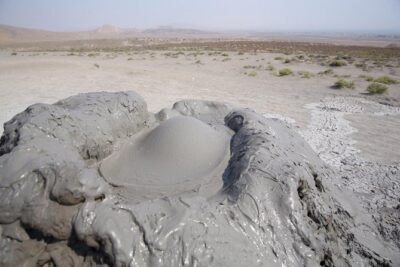
BEST Gobustan, Volcanoes & Absheron Fire Tour (Group or Private)
Read our review →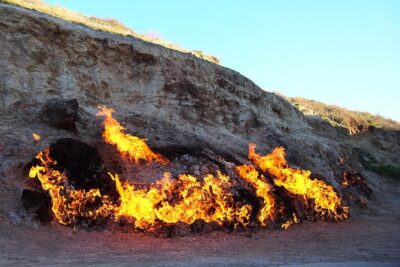
Gobustan, Volcanoes, Fire Temple and Yanardag Day Trip
Read our review →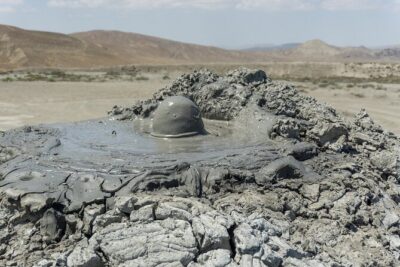
Gobustan & Mud, Fire Temple, Burning Mountain (Group & Private)
Read our review →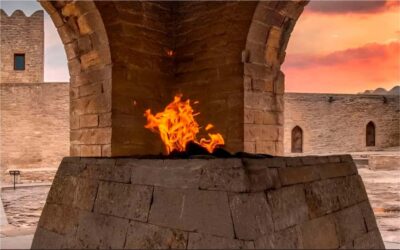
Mud Volcan-Fire Temple and Mountain Tour/Entrance inc
Read our review →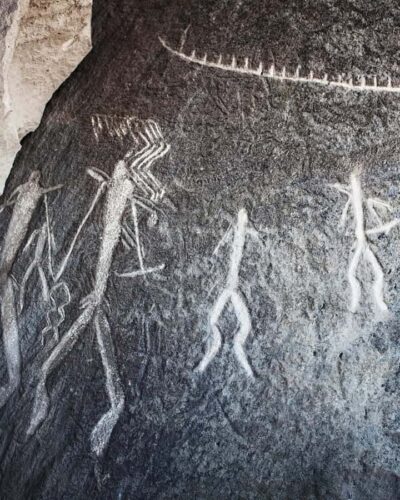
Gobustan Mud Volcanoes Temple & Entry tickets included
Read our review →Browse the lists this tour appears in