
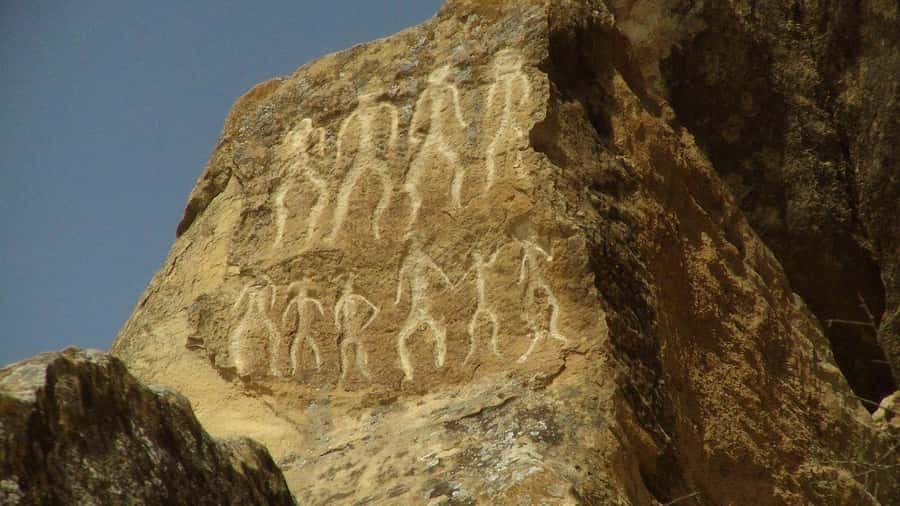
Reviewed · GOBUSTAN NATIONAL PARK
Baku: Gobustan & Absheron Trip
This tour is interesting because it turns Absheron into a living timeline. You move from prehistoric rock art to fire worship traditions that survived for thousands of years, then finish with the dramatic glow of Yanar Dag and the ancient flames at Ateshgah. It is a single-day route that feels like three different worlds packed together.
I especially like the way you get real nature phenomena in a short time, mud volcanoes and Yanardag Fire Mountain included. I also like that the guide work is built around interpretation, not just photos, so you are not guessing what you are seeing when you enter the caves and visit the Fire Temple.
One consideration: the day can feel fast-paced, with tight stop times. If you need slow museum reading, build in patience, and arrive ready to move quickly at each site.
Key moments you should plan for
- Qobustan UNESCO reserve rock pictures you can actually spot and connect to early human life
- Mud volcanoes plus hands-on style museum stops focused on natural history and minerals
- Yanardag Fire Mountain for the shock of seeing flame in the landscape
- Ateshgah Fire Temple and the story of shared meaning across fire worship, Zoroastrianism, and Hinduism
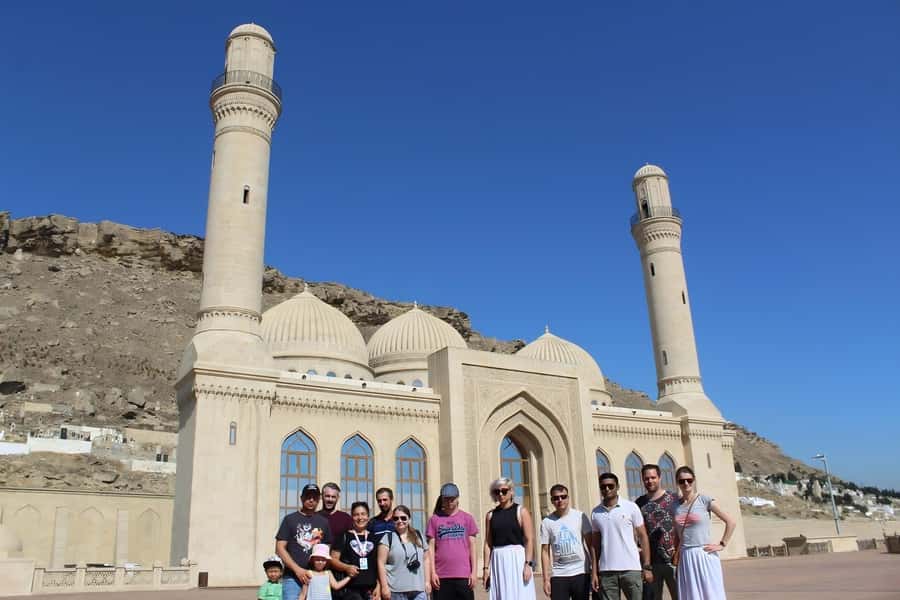
- Bibi-Heybat Mosque photo moment plus a short guided look at its sacred connections
- End at Qoşa Qala Qapısı to wrap the day at a medieval-feeling checkpoint
A 9-hour circuit of fire, mud, and rock art from Baku
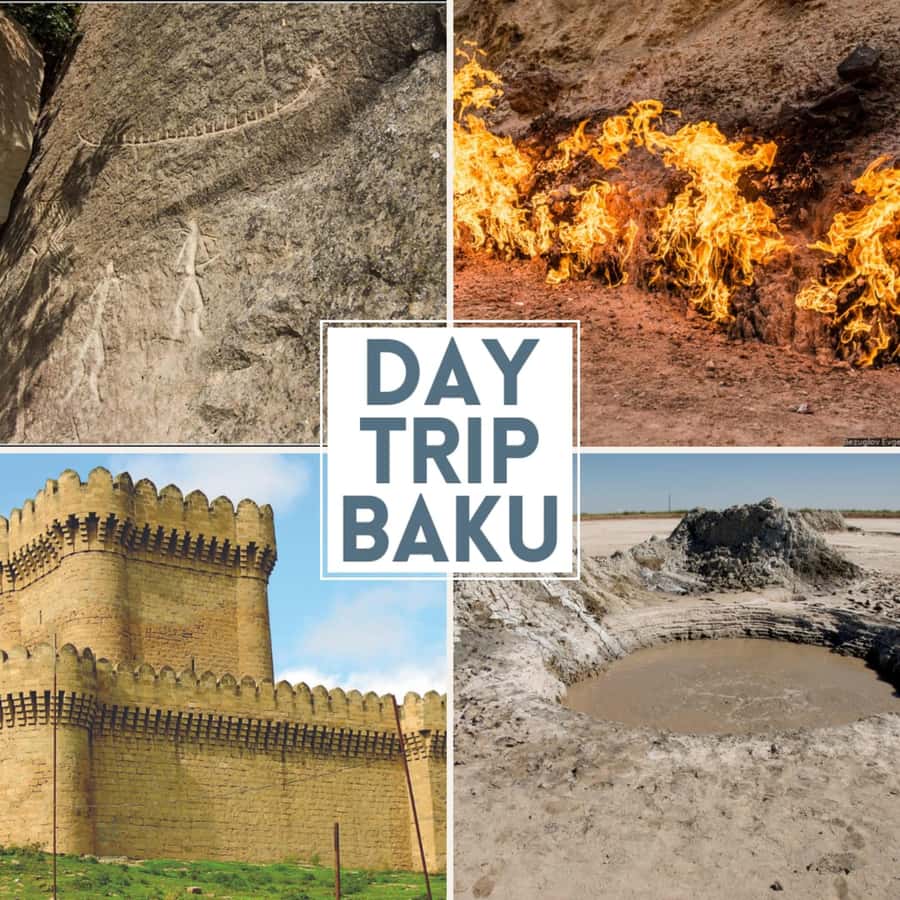
This is a classic Absheron day trip in spirit: you start in Baku, then you work your way outward toward the peninsula’s most famous oddities. The theme is simple. Where there is natural fire, people made it sacred. Where there is natural mud, people found usefulness and meaning. Where there are caves and shelters, you get early human traces in stone.
The big win for me is how varied the sensations are. You go from heat and flame at Yanar Dag to the quiet, earthy weirdness of mud volcanoes. Then you switch into belief history at Ateshgah, which is not only about architecture, but about why people gathered around burning things in the first place.
At $30 per person, the base price is budget-friendly for a full guided day with pickup and comfortable transport. The cost bumps up only if you add entrance tickets and lunch on your own, which the tour already flags clearly.
More of the Absheron peninsula:
- BEST Gobustan, Volcanoes & Absheron Fire Tour (Group or Private)
★ 5.0 · 1,254 reviews - Gobustan and Absheron tour (All inclusive)
★ 5.0 · 1,014 reviews - Baku: Gobustan Absheron Tour Entry Tickets included
★ 4.9 · 329 reviews
Start at the Old City gates, then Bibi-Heybat Mosque in 20 minutes
Your day begins at the Double Gates of the Old City area, Icherisheher, with pickup also possible for hotels outside Old City or near Nizami Street, within a 6 to 7 kilometer radius. That location choice matters, because it puts you close to where most first-timers in Baku want to be anyway.
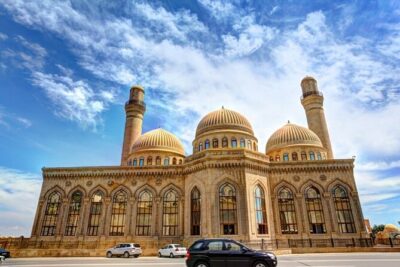
The first on-site stop is Bibi-Heybat Mosque, with a photo opportunity plus guided time. The tour frames this mosque as one of the most beautiful temples you will see in Baku, and it highlights a sacred connection through the tomb of relatives of Prophet Muhammad (s.v.s.). Even with a short visit, it is a nice “context” stop. It gives you a quick bridge from modern Baku into the region’s long religious timeline.
Practical tip: if you plan to cover up for comfort, bring a headscarf. The tour specifically asks for one, and you will use it more than once on this route.
Qobustan UNESCO caves and rock pictures: where the past feels close
Next comes Gobustan, often called Qobustan in many English contexts. This is one of Azerbaijan’s UNESCO protected sites, and it is the part of the day where the tour slows down enough to matter.
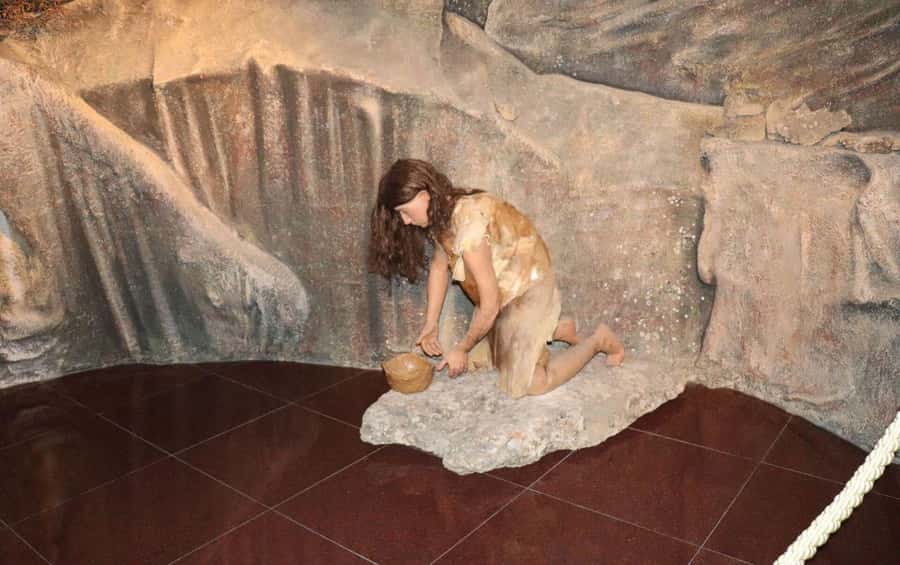
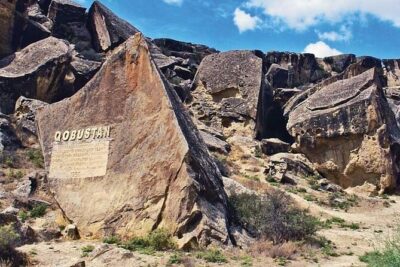
In Qobustan, you are not just walking past viewpoints. You get guided time through caves and rocky areas where ancient rock pictures record human presence. The emphasis is on how people lived, what they watched, and how they expressed themselves in stone. You also spend time around exhibitions that connect to early human routines, including examples described as ancient cuisine and daily life in the primitive era.
Here is why I like this stop: it trains your eye. Once you start seeing the rock drawings as communication rather than decoration, the whole reserve turns into a message map. Even on a guided visit, you will likely find yourself staring longer than you planned, because the drawings are surprisingly easy to connect to movement, animals, and daily activities.
Timing is the main tradeoff. You get about 80 minutes for this area, including free time and a walk. That is enough for highlights, but not enough for people who want to read every panel slowly.
One more detail: the tour asks for a flashlight. If you plan to spend time looking around cave-like spaces, having it makes a noticeable difference.
Mud volcanoes, natural history, and the health-mud story
Mud volcanoes are one of those things you can only describe after you see them. The tour notes that there are around 800 mud volcanoes worldwide, and Azerbaijan contains 354 of them, roughly 40 percent. That statistic is not trivia for trivia’s sake. It explains why the peninsula feels like it belongs to geology, not just to architecture and museums.
The stop includes photo time and free time plus scenic views along the way. You also get two museum visits tied to this experience: one with a natural history exhibition and one with a minerals collection. The tour highlights that these museums use interactive demonstrations, which helps if you want more than just looking at rocks and vents.
The tour also shares the local belief and usage angle: the mud is said to be useful for skin, joints, and bones. Even if you treat that as traditional practice rather than medical fact, it still adds meaning to what you are seeing. The mud is not just weird. It has a reputation and a reason people keep coming back.
Practical note: the mud areas can be dramatic and messy in feel. Wear comfortable shoes, expect uneven ground, and treat this as an active stop. The tour is wheelchair accessible, but walking portions still matter, so come prepared.
Other trips into the Gobustan reserve:
- Baku: Gobustan, Mud Volcano, Fire Mount, Temple Lunch Entry
★ 4.9 · 3,246 reviews - Baku: Gobustan, Volcanoes, Fire Temple and Yanardag Day Trip
★ 4.7 · 433 reviews - Gobustan & Mud, Fire Temple, Burning Mountain (Group & Private)
★ 4.5 · 418 reviews - Gobustan-Mud Volcan-Fire Temple and Mountain Tour/Entrance inc
★ 5.0 · 267 reviews
Vintage car stop: a brief photo pause that can help pacing
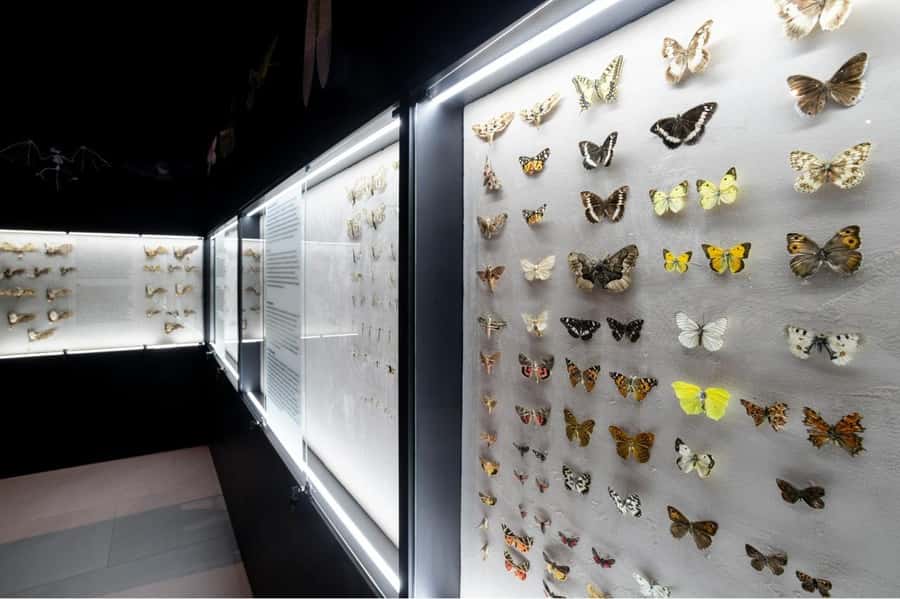
There is also a short vintage car stop, about 20 minutes. I do not think it is the core reason to pick this trip, but I like having a quick reset between heavier stops. It gives you a chance to take photos, stretch, and regroup before Yanar Dag and the Fire Temple day’s deeper religion history.
If you hate photo stops in general, treat this as optional energy management. You will not lose the whole story if you only snap a couple of quick shots and focus on the next sites.
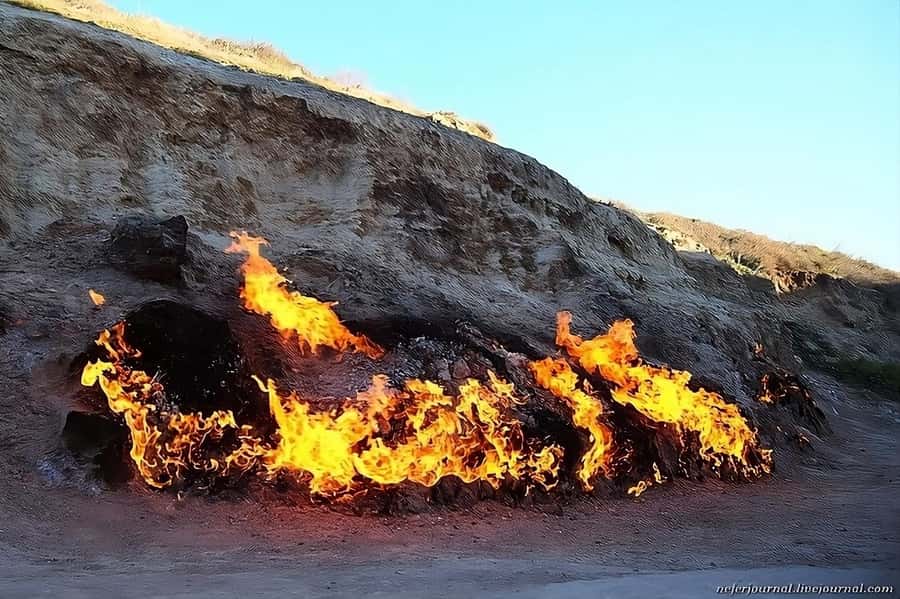
Yanar Dag fire mountain: the thrill of flame without any fuel smell
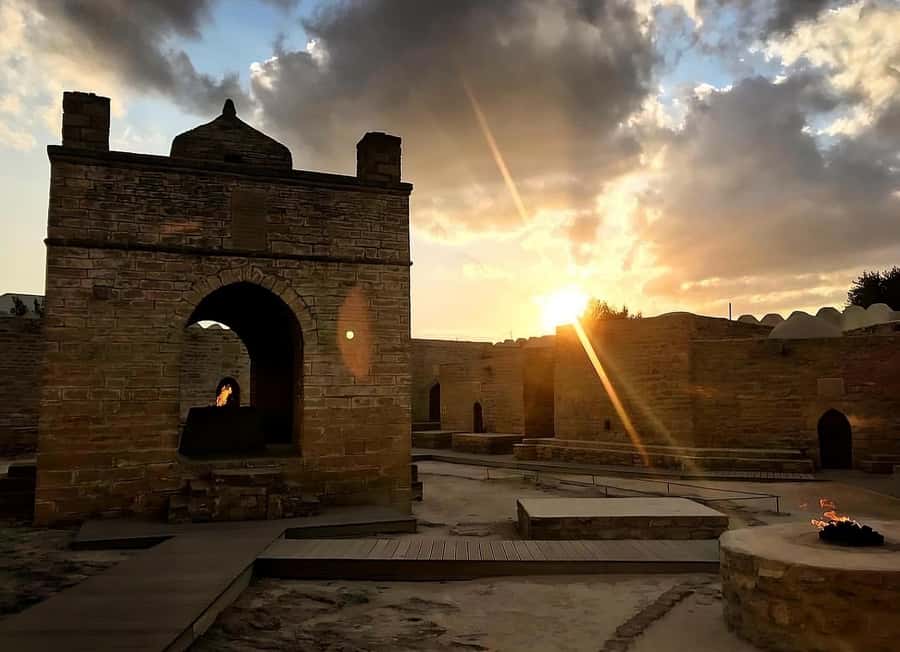
Yanar Dag, the Burning Mountain, is one of those places that makes you understand why fire worship got a foothold in this region. The tour includes a photo stop, guided time, and a walk with free time built in. You also move to this site from the mud volcano zone, with a longer bus segment in between.
What makes Yanar Dag special in a practical way is the contrast. You get flame linked to natural gas activity, but the whole experience is framed like a living phenomenon, not a staged attraction. The tour guide approach matters here: you are not just watching fire. You are learning why people historically considered certain natural flames significant.
Plan to take your time at viewpoints. Even with the relatively short scheduled visit, you will want at least a few minutes to watch how the flame behaves and how the lighting changes around you.
If you are sensitive to heat or want steady comfort, dress accordingly. The tour requests comfortable clothes and shoes, which is your real safety plan when you are standing near flame and walking outside.
Absheron Peninsula viewpoints and the medieval-feeling finish
After Yanar Dag, the route continues across the Absheron Peninsula with photo stops and guided viewpoints, plus some walking and free time. This part is less about a single landmark and more about setting the stage. You start to see why this peninsula became a crossroads, not just a shoreline.
The day ends at Qoşa Qala Qapısı. The tour describes this as a castle or fortress checkpoint with original strength from medieval times and gives it a proud, intact feel. Ending here works because it brings you back from ancient fire and prehistoric rock into physical space you can photograph and feel.
Even if you do not know much local history, finishing at a medieval gate gives you a final visual anchor.
Ateshgah Fire Temple: where fire worship meets Zoroastrianism and Hinduism
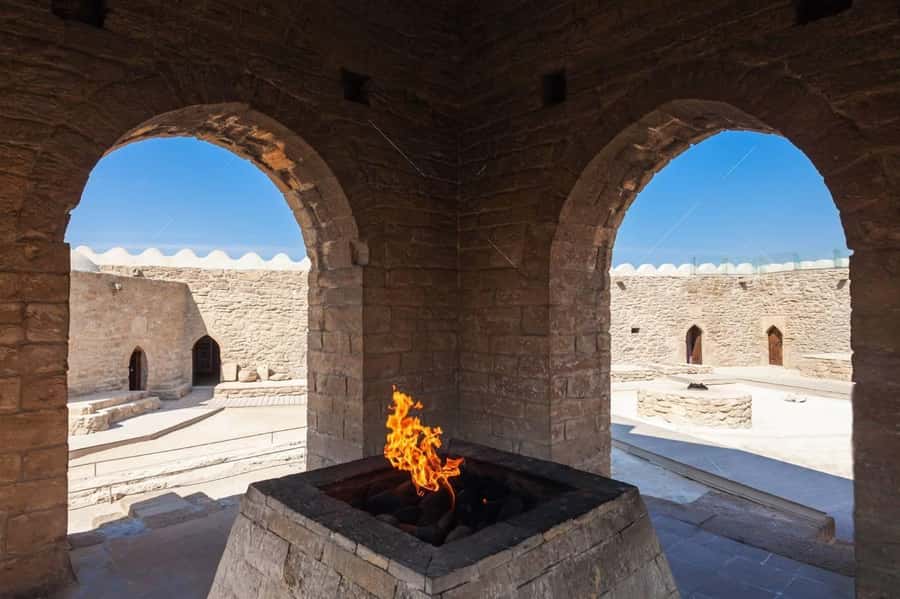
Now you reach the spiritual centerpiece: Ateshgah of Baku, often called the Fire Temple. This is the stop that ties the day together.
The tour frames Ateshgah as a confluence site where fire worship, Zoroastrianism, and Hinduism intersect. That does not mean everyone believed the same thing, but it does mean shared reverence for fire created common ground. You learn why fire was treated as holy and how those ideas persisted across centuries.
A detail I find especially useful is the link to Novruz. The tour explains that for centuries, the religion of fire worship was revered and that the holiday Novruz became national and still gets celebrated. So you can connect modern Azerbaijani culture to ancient belief without it feeling like a textbook jump.
The tour also points to how far the fire story reached historically. It mentions that Eternal Lights appear in the annals of Attila the Great and in references tied to Marco Polo and others. It also gives an age estimate for the holy hearth, around 4,000 to 5,000 years, based on scientific dating. Whether you focus on exact dates or the broader idea, this context helps you understand why Ateshgah was important enough to last in memory.
What to bring and how to behave: again, headscarf and comfortable clothes matter. You will be walking in and around the site, and the day’s earlier flashlight suggestion also hints that some parts may feel dim or cave-like depending on what you want to inspect.
Price and value: what $30 buys, and what it does not
The headline price is $30 per person for a guided day with pickup from your hotel, comfortable transport, and a professional guide. You also get a discount card for a sweets shop, which is a small bonus if you are in the mood for dessert after a long outdoor day.
The main value question is entrances. The tour explicitly does not include:
- Qobustan Museum entrance (10 AZN)
- Mud Volcanoes Tourism Complex entrance (15 AZN)
- Fire Temple and Burning Mountain entrance (15 AZN)
So budget more than $30 if you want everything. Still, even with those add-ons, the structure is good. You are paying for guided interpretation and transportation across multiple sites spread around Absheron. If you tried to DIY all of this, you would either spend more on taxis or lose the history connections the guide provides.
Lunch is also not included. You get a one-hour break allocated for lunch in the middle of the day, and you eat where you want, at your own expense.
The value takeaway: this works best if you plan to enter the paid sites and accept that lunch is self-managed.
Time, pace, and the one thing that can make or break your day
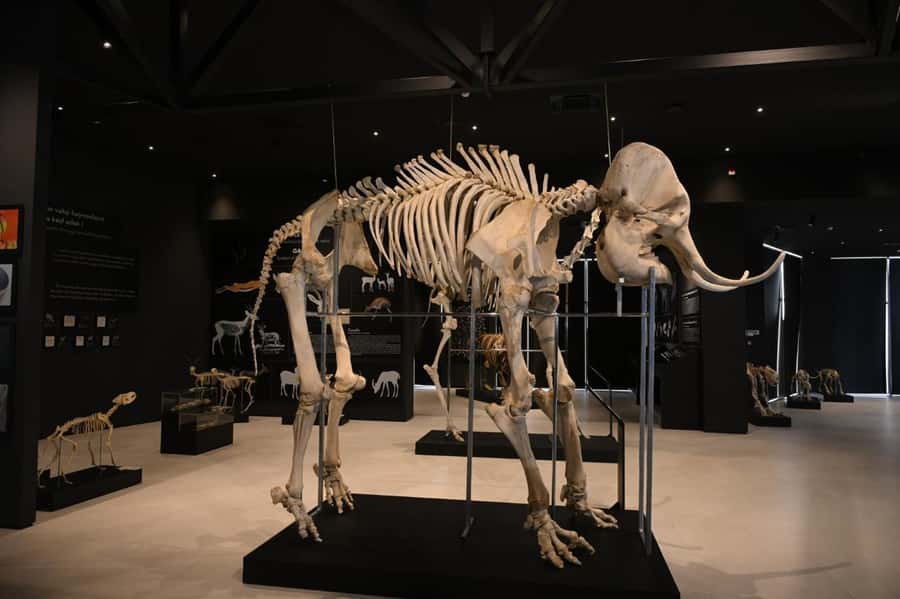
Here is the honest part. This is a 9-hour tour with multiple stops, so you should expect a moving schedule. That usually works well for people who like seeing a lot, but it can frustrate anyone who wants to linger and read slowly.
The difference between a great day and a so-so day often comes down to how efficiently the group moves between bus and entrances. When stops are short, you need to be ready to go in right away. Keep your essentials in a small bag, wear comfortable shoes, and do not wait to decide you want that one extra photo until the last minute.
Lunch timing can also feel tricky if your breakfast is light. The tour gives a one-hour lunch break at a planned point in the middle, but the practical reality of day trips is that timing depends on the route and how quickly the group returns to the vehicle. I recommend eating a real breakfast, not just coffee, so you are not cranky later.
Also, if you want great guiding, do pay attention to the guide during the bus rides. The guided explanation is where the tour shines most, especially around fire worship and the interpretation of rock art.
A good sign from past experiences is that the guide approach can be energetic and engaging, including mention of a guide named Sabuhi from Smile Tours who was described as entertaining and genuinely helpful.
Who this trip suits best, and who should skip it
This is a good match if you want:
- A guided day that mixes nature sights with belief history
- The ability to understand fire worship themes through places like Yanar Dag and Ateshgah
- Comfortable group travel without planning logistics yourself
It may not be the best fit if you:
- Have heart problems, haemophilia, or need a very low-stress day
- Are very sensitive to fast pacing and short stops
- Prefer long museum time and slow reading
The tour also notes age limitations, not for drama but for safety and comfort, including not being suitable for babies under 1 year, and also guidance around people over 70 years and over 95 years.
On the plus side, the tour is described as wheelchair accessible. Still, you should expect outdoor walking and uneven ground at sites like mud volcanoes and Qobustan areas.
Should you book this Gobustan and Absheron trip?
I would book it if you want a single day that covers the peninsula’s biggest themes: prehistoric rock art at Qobustan, geology at the mud volcanoes, and fire worship through Yanar Dag and Ateshgah. The $30 base price is a fair deal for a full guided route with transportation, as long as you plan for the entrance tickets and manage lunch on your own.
I would skip it if you hate tight timing, need hours in museums, or get stressed by moving schedules. In that case, you might be happier with a slower, more flexible plan built around fewer stops.
If you do book, go in with the right mindset. This tour is about connections, not perfection. You will come away with a stronger sense of why Absheron attracted people, feared and respected natural forces, and turned flame and stone into meaning.
FAQ
How long is the Baku Gobustan and Absheron trip?
The tour duration is 9 hours.
Where does the tour pickup and finish?
Pickup is at the Double Gates of Old City (Icherisheher). The tour finishes at Qoşa Qala Qapısı.
What is not included in the price?
Entrance tickets are not included for Qobustan Museum (10 AZN), Mud Volcanoes Tourism Complex (15 AZN), and Fire Temple and Burning Mountain (15 AZN).
Is lunch included?
Lunch is not included. The tour allocates 1 hour for lunch in the middle of the tour, where you can eat in a restaurant or fast food at your own expense.
What languages are available for the live guide?
The live tour guide is available in English, Russian, and Turkish.
What should I bring for the trip?
Bring comfortable shoes, a credit card, comfortable clothes, a flashlight, and a headscarf.
Latest Baku reviews
- Gobustan Magic of Mud Volcanoes and Ancient Petroglyphs★ 5.0 · 3 reviews
- Gobustan Tour and Mad Volcanoes – tour to stone age★ 5.0 · 3 reviews
- Gobustan & Mud Volcano★ 4.5 · 3 reviews
- A Full Day Adventure: Khinalug, Guba & Candy Mountains Tour★ 5.0 · 3 reviews
- All destinations included Baku city tour for 1 day★ 5.0 · 3 reviews
- A Private Day Trip to Shahdag Ski Resort★ 5.0 · 3 reviews
- Small-Group Day Trip to Gobustan, Mud Volcanoes, Ateshgah & Yanar Dagh★ 4.5 · 3 reviews
- Private Sheki Tour – Four Regions of Azerbaijan in one day★ 5.0 · 3 reviews
Gobustan National Park, compared.
Gobustan, Mud Volcano, Fire Mount, Temple Lunch Entry
Read our review →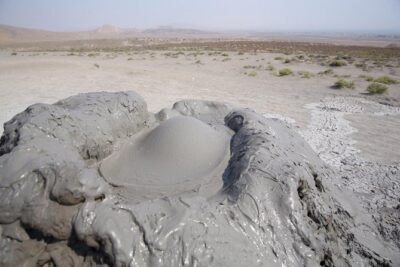
BEST Gobustan, Volcanoes & Absheron Fire Tour (Group or Private)
Read our review →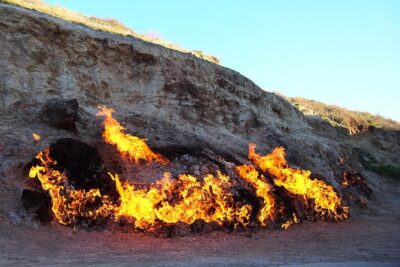
Gobustan, Volcanoes, Fire Temple and Yanardag Day Trip
Read our review →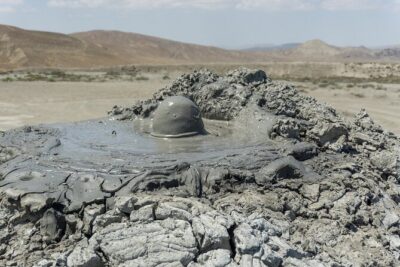
Gobustan & Mud, Fire Temple, Burning Mountain (Group & Private)
Read our review →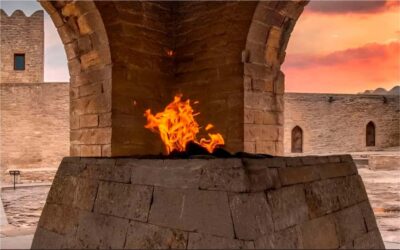
Mud Volcan-Fire Temple and Mountain Tour/Entrance inc
Read our review →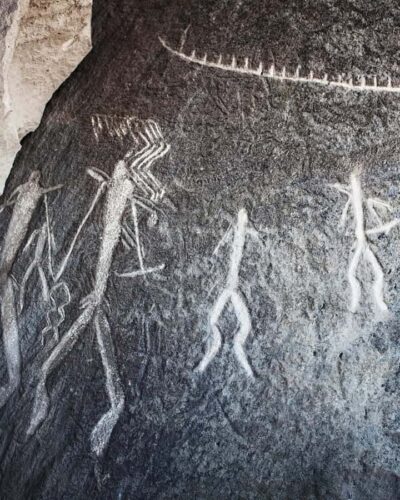
Gobustan Mud Volcanoes Temple & Entry tickets included
Read our review →Browse the lists this tour appears in