Reviewed · TOURS
3 day tour in Azerbaijan – visit most of sightseeings
This is an interesting tour because it mixes Baku’s modern wow-factors with Azerbaijan’s older, stranger, very real sights like UNESCO rock art and flames from the ground. You get a “best-of” route that stays focused: not a scattershot list, but a tight run that helps you understand the country fast.
I especially like the balance of big city energy and hands-on outdoor stops, from the Caspian Sea to the mud volcanoes. I also like how the team behind the tour (names like Artunj, Farhad, Ertunc, and Rovshan come up for good organization) tends to keep things moving on time. One drawback to consider is the schedule is packed, so you will spend less time lingering and more time hopping from place to place.
Key highlights that make this tour worth your time
- UNESCO Qobustan rock art with both museum time and a climb to see the petroglyphs up close
- Mud Volcanoes by Lada-style vehicles, a quirky, practical way to handle rough roads near Qobustan
- Fire Temple (Ateshgah) plus Yanar Dag, a one-two punch for anyone curious about Azerbaijan’s “land of fire” reputation
- Baku’s Old City and Caspian Sea boat cruise, including VIP tickets when weather allows
- Shamakhi culture stops, including Juma Mosque history and the mausoleums complex
- Lahic village museum hour, a calmer end to a long day with local heritage
Why this 3-day Azerbaijan route clicks for first-timers
If you have limited time in Azerbaijan, this kind of “most visited sights” plan can be a smart shortcut. You’re not trying to see everything. You’re choosing the places that explain the story, and you’re doing it with pickup, a private vehicle, and entrance fees included.
The best part is that the route has variety built in. Day one is all about Baku’s layers, Day two brings you to UNESCO rock art and the country’s fire mythology, and Day three adds Shamakhi and Lahic for more of the human side of the region. It feels efficient, not exhausting, as long as you accept that each stop is a taste, not a full day of wandering.
The tour also runs in all weather conditions. That matters, because outdoors time can be planned, and indoor options like museums are part of the mix. Just know that some specific experiences, like the boat cruise, depend on conditions.
More Baku days worth putting side by side
- Baku: Gobustan, Mud Volcano, Fire Mount, Temple Lunch Entry
★ 4.9 · 3,246 reviews - Baku: Guba, Shahdag, Laza & Lunch w/ Free City & Night Tour
★ 4.8 · 1,455 reviews - BEST Gobustan, Volcanoes & Absheron Fire Tour (Group or Private)
★ 5.0 · 1,254 reviews
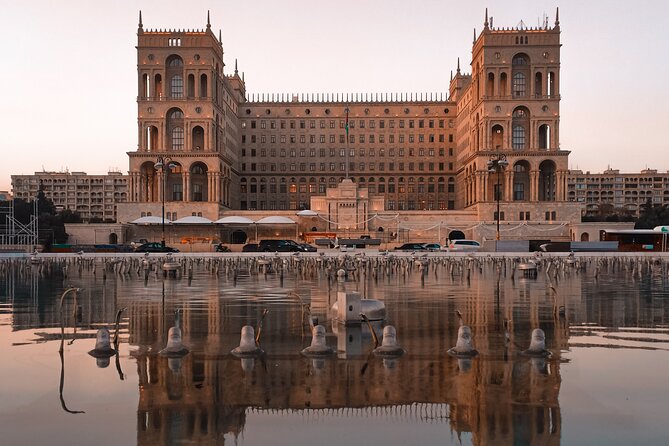
Baku Day One: Old City, Caspian Sea cruise, Highland Park, and Heydar Aliyev
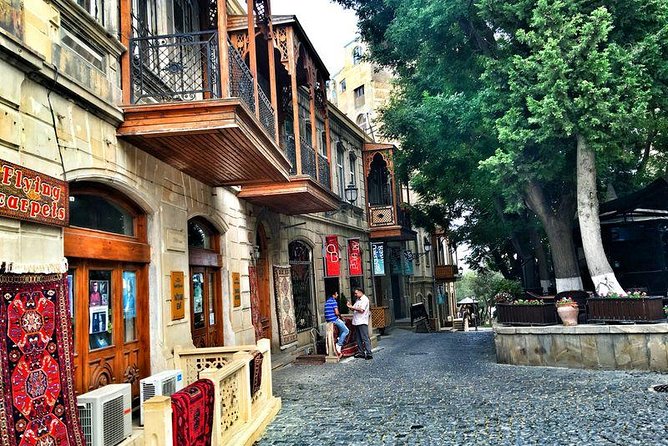
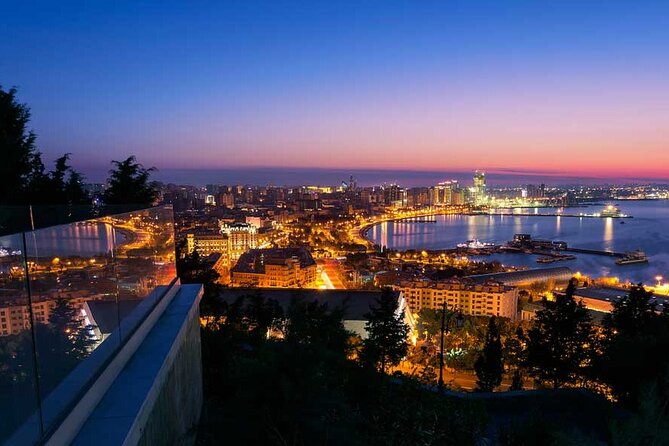
You start in Baku, with an arrival transfer if you need it, and then you move straight into the old part of town. The Baku Old City stop is timed at about two hours, which is enough to get your bearings, see major landmarks, and still have time to absorb the details. If you like architecture and street-level atmosphere, this is a strong start.
Then comes Baku Boulevard and the Caspian Sea boat cruise. The tour includes VIP tickets for a short cruise, and it’s a great way to see the waterfront without turning it into a long ordeal. The one real consideration here is weather. The boat portion may be canceled based on conditions, so keep your expectations flexible.
After the water, you head to Highland Park for panoramic views. This is one of those stops that works best when you’re ready to pause. You get a wide angle of Baku, which helps everything you saw earlier make more sense, especially the way the city spreads between old and new.
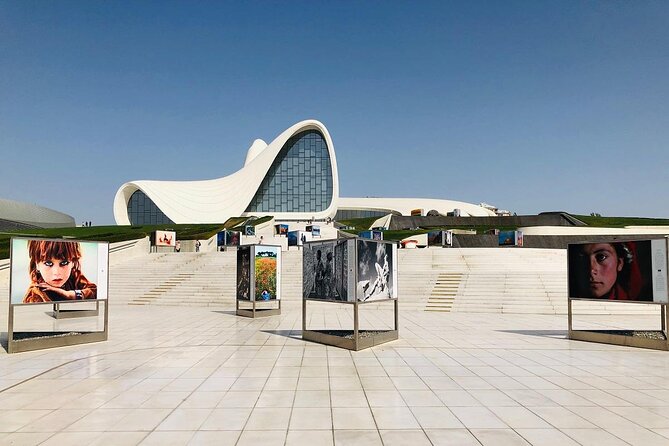
Finally, you wrap up with the Heydar Aliyev Cultural Center, including museum entry. Even if you’re not a museum person, the architecture itself is a reason to go, and the museum time adds context. The stop is short, about 30 minutes, so you’ll want to focus on what grabs you most instead of trying to read everything.
My practical takeaway for you: Day one is built like a tour of contrasts. Give yourself breaks between stops, and you’ll enjoy the rhythm more.
Qobustan Rock Art and mud volcano adventure: UNESCO, petroglyphs, and real weird geology
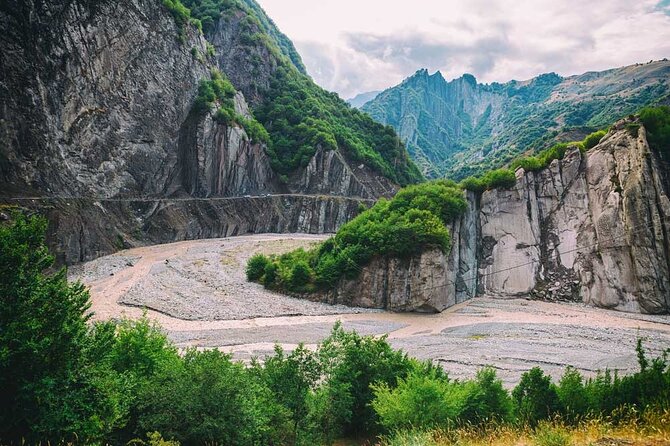
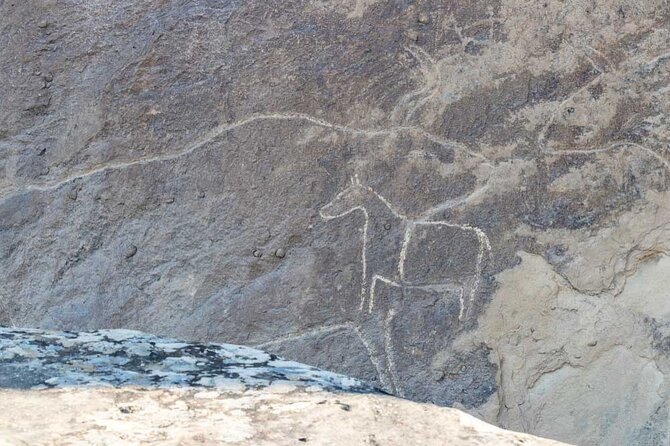
Day two is where the trip starts feeling distinctively Azerbaijan. You go to Qobustan, about 60 km from Baku, and you spend time at the Qobustan Rock Art area in two parts. First, you visit the museum portion for about 40 minutes. Then you move to the petroglyphs area for another 40 minutes.
That structure is useful. The museum gives context for the markings and tells you what you’re looking at. Then the outdoor visit is where it clicks, because you see the carvings in the place they belong. If you only had time for one of those, I’d still pick the outdoors, but having both makes the whole experience much more satisfying.
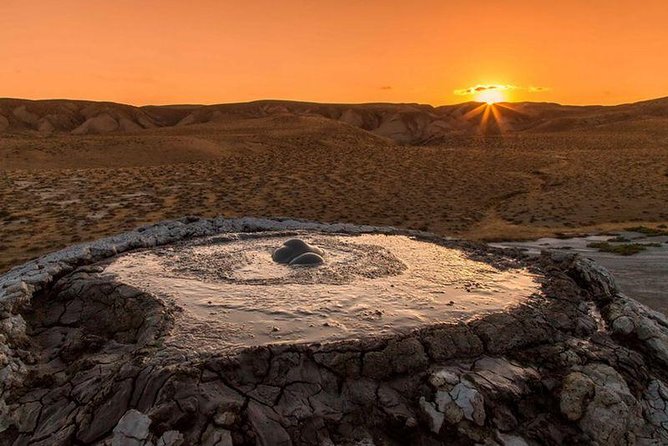
Next up are the Mud Volcanoes. The tour includes time here (about 40 minutes), and the method is part of the story. The roads can be rough, so you switch to Soviet-style cars labeled as Lada for the ride. It’s a simple, practical safari feel, and it makes the journey part of the entertainment instead of just an uncomfortable transfer.
Then you go to Ateshgah, also known as the Fire Temple. This stop is about 40 minutes, and it’s one of the more memorable cultural sites on the route. The key idea is that this place has a reputation tied to flames and worship traditions. You’ll see the “seven holes with burning flame” concept referenced in historical sources, which helps you connect the legend to what’s on-site.
You close the day with Yanar Dag, the natural gas fire that burns continuously on a hillside. The stop is short, about 20 minutes, but it’s powerful because it’s not a staged show. The flames can jet roughly 3 metres into the air from a thin porous sandstone layer, and that physical scale is hard to forget.
Watch-outs you’ll be glad you planned for: outdoor walking and weather. Wear shoes you trust, and bring a light layer. Even when the tour operates in all conditions, you’ll still be doing outdoor time.
Fire Temple and Yanar Dag: how to see them without rushing
It’s tempting to treat the fire sites like a quick photo stop. Try not to. Even though each stop is time-limited, you can still get more out of them with a simple mindset shift: look for patterns.
At Ateshgah, focus on the structure and the idea of flame worship, because the site is about the relationship between place and belief. At Yanar Dag, focus on the mechanics of the phenomenon. It’s continuously burning natural gas, so the sensation is different than a fire that’s lit for visitors.
This is one of the tour’s strongest thematic threads. Day two doesn’t just show you random sights. It keeps returning to one theme: fire as a real part of daily geography. That makes it easier to remember and harder to feel like you’re checking boxes.
If you want photos, you’ll get them, but you’ll also want time just to stand there and watch. The flames keep doing their thing, and it makes the stop feel longer than the clock suggests.
A different direction from Baku:
- Gobustan and Absheron tour (All inclusive)
★ 5.0 · 1,014 reviews - Shamakhi And Gabala Tour (All inclusive)
★ 5.0 · 815 reviews - From Baku: Gabala and Shamakhi Tour (Free Baku City Tour)
★ 4.8 · 695 reviews - Baku: Candy Cane, Guba, Khinaliq village with Homemade Lunch
★ 4.9 · 519 reviews
Shamakhi and Lahic Day Three: mosques, mausoleums, and a slower local museum hour
Day three shifts from Baku and Qobustan geography to Shamakhi and Lahic. It starts with Diri Baba Mausoleum, about 30 minutes, and it’s a pilgrimage-style place that still draws locals. That matters, because it’s not just a historical object behind a ticket window. You’re seeing a working cultural location, not a disconnected museum piece.
Next is Juma Mosque in Shamakhi, also about 30 minutes. The tour gives you key background tied to legend and an early date in the 8th century, including an inscription detail tied to 743. Even with short time, this is where you learn what kind of settlement Shamakhi was, and why the mosque remains significant.
After that, you visit Yeddi Gumbaz Mausoleum complex, built for family members of the Khan of Shamakhi around the 17th century. The stop is about 30 minutes, so again it’s a focused look. But complexes like this reward quick reading plus visual attention. Look for layout and details, then move on while you’re still mentally fresh.
Then you head to Lahic for the Lahic History and Ethnography Museum, about one hour. This is your calmer, more human pace moment. The village setting and museum time help balance all the outdoor geological and city sightseeing you did earlier.
Finally, you transfer back to Baku. That drive is timed at about three hours. It sounds like a lot, but it also acts like a wind-down period. You end the tour with the group safely back where you started, which is a big deal when you’re trying to plan your remaining days on your own.
Timing, pacing, and what a “full sightseeing” day really means
This tour is designed to fit “most of the key sights” into three days, so each stop has a specific window. That’s great for efficiency, but you should treat it as a plan for sampling, not soaking.
A typical pattern you’ll feel across all three days is: short orientation, move to the highlight, then move again. If you’re the kind of traveler who hates rushing, you’ll still be fine, but you’ll want to pick your moments for deeper attention. For example, spend your extra effort on Highland Park for views, or on Qobustan outdoor petroglyphs where the context comes alive.
The upside is that you’re not stuck doing endless transit without payback. Each driving segment leads to something distinct: old city streets, sea views, fire phenomena, UNESCO carvings, and cultural heritage in Shamakhi and Lahic.
Price and value: $280 for a very packed, included-fee plan
The price is $280 per person for about three days. On paper, that might look like just a ticket to attractions. In practice, you’re paying for a lot of the annoying parts of travel planning to be handled for you.
The package includes hotel pickup and drop-off, transport by private vehicle, a driver/guide, entrance fees, and lunch. It also includes national park fees and local taxes. Because entrance fees are covered, you don’t get hit with surprise costs for each stop, which is one of the biggest ways tours feel like better value.
It also helps that you get a one-way transfer, plus arrival transfer if needed. That turns the first and last moments of the trip into something smoother, especially if your schedule is tight.
One more value factor: the tour is described as private, meaning you’re not dealing with a huge group shuffle. Private can mean more flexibility in how you move through each stop, even if the time slots are fixed.
Group discounts and a mobile ticket are included too. Those are small details, but they usually signal a company that keeps logistics organized.
Tour company strengths: organization and guides you can trust
The strongest theme from feedback is that this tour team keeps things organized and runs on time. Names like Artunj, Farhad, Ertunc, and Rovshan show up associated with punctual, prepared guidance and a friendly atmosphere.
For you, that translates into fewer “Where do we go next?” moments. It also means your guide is more likely to explain what you’re seeing in plain language, not just point at a sign. When you’re doing UNESCO, fire sites, and multiple mausoleums in a short window, good guiding makes a huge difference.
The tour also starts at 10:00 am, which is a reasonable time to begin. It gives you a full first day without burning your early morning.
If you arrive at a different time, the tour’s plan includes arrival transfer if needed. That’s the kind of detail that makes a first day feel calm instead of stressful.
Practical tips that will make your days easier
Here are the nuts-and-bolts items that matter for this exact route.
- Shoes matter. You’ll do outdoor time at Qobustan petroglyphs and likely walk around uneven ground. Wear footwear you can trust for short climbs and time outdoors.
- Plan for weather changes. The tour operates in all weather conditions, but the Caspian Sea boat cruise can be canceled depending on conditions. If it cancels, you still have enough other stops to keep the day meaningful.
- Expect short stops. Each highlight is limited to a set time block. If you want a specific photo, arrive ready, not hunting for your camera minutes before your window ends.
- Lunch timing is important. The package states lunch is included, and it calls out lunch on the second day. Build around that, and don’t assume dinner is covered.
- Bring a light layer. Even in good weather, you can go from sea air to outdoor ruins and back. A layer makes it easier to enjoy each stop comfortably.
Should you book this Azerbaijan tour?
Book it if you want a high-yield first taste of Azerbaijan in just three days. It’s a good fit for you if you like variety, and you want the key themes handled for you: Baku’s mix of old and new, Qobustan’s UNESCO carvings, Azerbaijan’s fire sites, and Shamakhi plus Lahic for cultural context.
Skip it, or at least think twice, if you strongly prefer long free time in one place. This tour is built for moving. Even though each stop is meaningful, you will not linger for hours unless you’re willing to trade that for other sights.
If you want a trip that’s structured, fee-covered, and guided by people like Artunj and Farhad who are praised for organization, this is a smart way to spend a short Azerbaijan window without turning your days into logistics problems.
FAQ
How much does the 3-day Azerbaijan tour cost?
The tour costs $280.00 per person.
How long is the tour, and when does it start?
It runs for 3 days (approximately) and starts at 10:00 am.
What transportation and pickup are included?
Hotel pickup and drop-off are included, along with transport by private vehicle. An arrival transfer is also offered if needed.
Is the Caspian Sea boat cruise included on day one?
Yes, the Baku Boulevard includes a Caspian Sea boat cruise with VIP tickets included. The boat tour could be canceled due to weather conditions.
How far is Qobustan from Baku?
Qobustan is located about 60 km from Baku city center.
Are entrance fees included?
Yes. Entrance fees are included for the package, and many stops list admission as free within the tour plan.
Is lunch included?
Lunch is included, and the package specifically notes lunch for the second day. Dinner is not included.
Is this tour private, and can I cancel if plans change?
It is private, and only your group participates. A full refund is available if you cancel up to 24 hours in advance of the experience’s start time.
More 3-Day Experiences in Baku
- Azerbaijan Tour Package for 3 days(Baku & Absheron & Gobustan & Gabala Tours)
★ 5.0 · 52 reviews - 3 Days Baku Tour: Visit must-see places in our group tours
★ 4.5 · 12 reviews - 3-Day Hiking & Trekking Tour Remote Villages in Guba Azerbaijan
★ 5.0 · 4 reviews
Latest Baku reviews
- Gobustan Magic of Mud Volcanoes and Ancient Petroglyphs★ 5.0 · 3 reviews
- Gobustan Tour and Mad Volcanoes – tour to stone age★ 5.0 · 3 reviews
- Gobustan & Mud Volcano★ 4.5 · 3 reviews
- All destinations included Baku city tour for 1 day★ 5.0 · 3 reviews
- A Full Day Adventure: Khinalug, Guba & Candy Mountains Tour★ 5.0 · 3 reviews
- Small-Group Day Trip to Gobustan, Mud Volcanoes, Ateshgah & Yanar Dagh★ 4.5 · 3 reviews
- A Private Day Trip to Shahdag Ski Resort★ 5.0 · 3 reviews
- Baku Private Airport Transfer★ 5.0 · 3 reviews
Tours, compared.
Guba, Shahdag, Laza & Lunch w/ Free City & Night Tour
Read our review →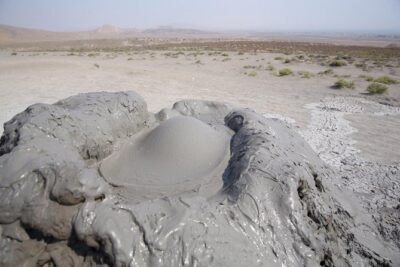
BEST Gobustan, Volcanoes & Absheron Fire Tour (Group or Private)
Read our review →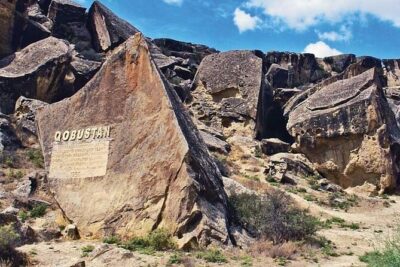
Guba & Sahdag Tour Lunch included and Laza Waterfall
Read our review →
Guba Khinalig & Candy Cane Tour with Homemade Lunch
Read our review →