
Reviewed · GABALA TOURS
9 days Baku to Qabala – Sheki – Zaqatala – Sighnaghi and Tbilisi Private Tour
This route is interesting because it strings together two countries, Azerbaijan and Georgia, with private guiding and a steady rhythm of big sights plus real local flavor. You start in modern, stylish Baku, then work your way through mountains, fortresses, and wine country before ending in Tbilisi.
I like two things a lot. First, the day-by-day plan puts UNESCO-grade history front and center, including Qobustan, with plenty of context from your guide. Second, the highlights feel varied, from a Caspian Sea boat cruise in Baku to the Palace of Shaki Khans later on.
One drawback to plan around is weather and walking time. The boat portion can be canceled if conditions are bad, and some stops include short hikes or lakeside wandering, so go with moderate physical fitness.
Key things that make this trip worth your time
- Private, human-level guiding: You get a true guide experience, with operators known for being responsive, like Artunj, and guides such as Elvin and Farhad.
- UNESCO stops that make sense: Qobustan is included, with rock art and early life in the region explained clearly.
- Fire and mud day in Baku’s region: Mud Volcanoes and Yanar Dag are unusual enough to feel special, not just another museum day.
- Mountain culture, not just checkpoints: Lahic, Nohur Lake, and the Sheki area add atmosphere, not only photos.
- Wine moments in both countries: Pomegranate wine tasting in Baku, then Sighnaghi wine tasting in Georgia.
- Included logistics that reduce stress: Private transportation, hotels, entrance fees, and breakfast make the trip easier to manage.
Baku to Tbilisi: how this route stays efficient (and still feels personal)
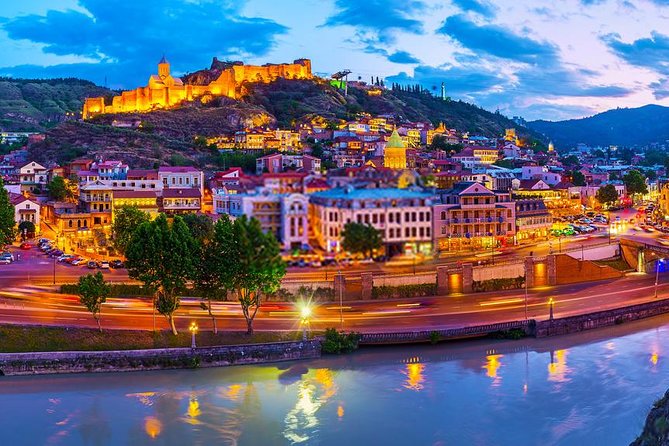
This is a private, end-to-end trip, and that matters. Instead of doing a long DIY chain of taxis and ticket lines, you get consistent transportation and a guide who can connect the dots between sites.
You also avoid a common problem on multi-country trips: timing. The schedule moves in a sensible flow, starting with Baku, then heading north and west through Azerbaijan, and finally dropping you into Sighnaghi and finishing in Tbilisi. It’s not rushed chaos, but it is active enough that you should treat it as a real 9-day program, not a “see what happens” vacation.
More of Sheki and the khan road:
- Sheki – Full Day Tour to Five Regions of Azerbaijan
★ 4.5 · 279 reviews - Gabala-Sheki Tour 2 Days, 1 Night (All Inclusive)
★ 5.0 · 88 reviews - Sheki is a harmony of nature and architecture ( All inclusive )
★ 4.5 · 40 reviews
Baku Old City to Heydar Aliyev Center: museums, views, and a sea-cruise style break
Your Baku days hit three modes fast: historic core, modern culture, and scenic downtime.
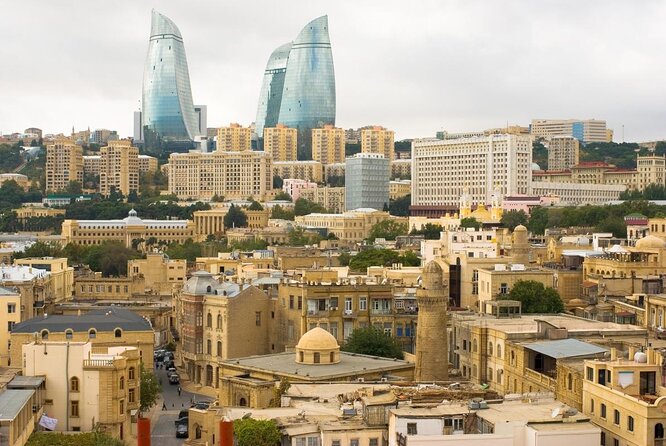
In the Old City area, you’ll see classic fortifications and icons like the Old City Walls, Maiden Tower, and Shirvanshahs Palace. You also get a pomegranate wine testing moment, which is a small add-on that makes the history feel more hands-on. Even if you’re not a wine person, it’s a simple way to taste local identity without needing a big restaurant detour.
Then you pivot to modern Azerbaijan. The Heydar Aliyev Cultural Center includes tickets to enter museums inside the building, so you get a structured look at contemporary culture rather than only street-level sightseeing. Next up is the Azerbaijan National Carpet Museum, where you learn about the carpet tradition. In this part of the trip, the guide role really helps, because carpet craft is one of those topics that can be confusing if you only scan labels.
For views, Highland Park gives you an elevated look at Baku. And for something fun and different, Baku Boulevard includes VIP tickets for a Caspian Sea boat cruise. Note the practical catch: if weather is bad, boats may not operate. I’d treat the cruise as a bonus, not the backbone of the day, so the day still works if conditions change.
What I’d do to make Baku Day 2 feel smoother
Wear shoes you can walk in comfortably. This section mixes museums and outdoor time, and you’ll want quick comfort more than fashion.
Absheron fire and Qobustan prehistory: Mud Volcanoes, rock art, and Yanar Dag
Day 3 is where the trip starts feeling truly Azerbaijan-specific.
Qobustan is an ancient living area stretching roughly 5,000 to 40,000 years ago, and it’s on the UNESCO Heritage list. The highlight is the Gobustan rock art, with more than 6,000 engravings that help show how people lived and moved through this landscape long before modern borders.
Then comes a sight most people only hear about in odd travel stories: Mud Volcanoes. The road to the volcano area is described as bad, so the plan switches cars to Soviet Ladas. It’s meant to feel like a safari adventure, and it’s also practical. You’ll get closer access than you would with a standard comfortable ride, and you’ll experience the area’s roughness directly, not through a distant photo.
After that you move from mud to flame. Ateshgah, the Fire Temple, ties to the idea of burning flame worship, historically linked to seven holes with burning flame. Finally, Yanar Dag is a natural gas fire that burns continuously on a hillside, with flames jetting into the air. It’s one of those sights where the explanation matters, because it sounds like folklore until you see how the effect is described.
More days out in Gabala:
- Shamakhi And Gabala Tour (All inclusive)
★ 5.0 · 815 reviews - From Baku: Gabala and Shamakhi Tour (Free Baku City Tour)
★ 4.8 · 695 reviews - Gabala + Shamakhi tour (by Old City Tours)
★ 4.5 · 198 reviews - Baku: Guided Day Trip to Gabala with Hotel Pickup & Drop-off
★ 4.7 · 139 reviews
A balanced way to approach Day 3
This is a “big senses” day, not a sit-and-rest day. If you’re sensitive to long drives, bring a simple snack routine and a water plan. If you’re curious about how humans and nature shaped this region, this is the day that delivers.
Shamakhi and Sheki: waterfalls, Lake Nohur, and the Khan’s Palace payoff
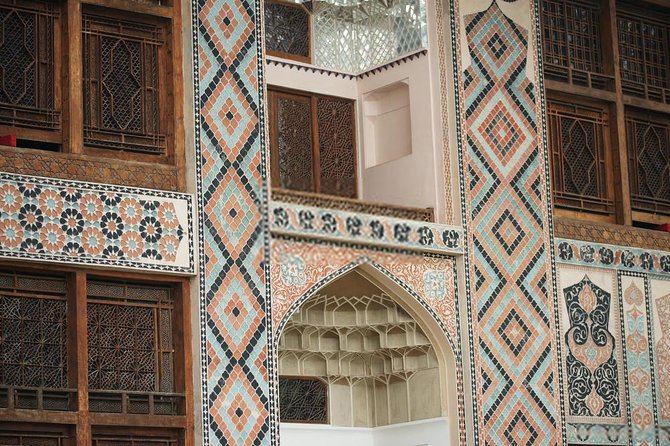
Day 4 and Day 5 together are the heart of the Azerbaijan mountain section.
On the way to Sheki, you stop at Diri Baba Mausoleum, then Juma Mosque in Shamakhi. Juma Mosque is described as the first mosque in the Caucasus, so it’s the kind of stop that adds a historical anchor point before you reach the more scenic parts.
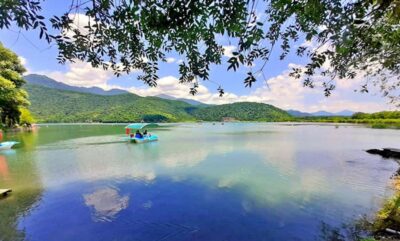
You also get Lahic, an ancient village known for history and tradition. Then you hit nature highlights that keep the trip from becoming only castles and churches. Yeddi Gozel Waterfall is short and sweet, and Nohur Lake adds a gentler pace. At Nohur Lake you can walk along the shore and there’s even a chance to sail a boat, plus a restaurant nearby for lunch.
Then you arrive in Sheki and check into your hotel. This is where the vibe shifts from sightseeing-as-transportation to sightseeing-as-reward.
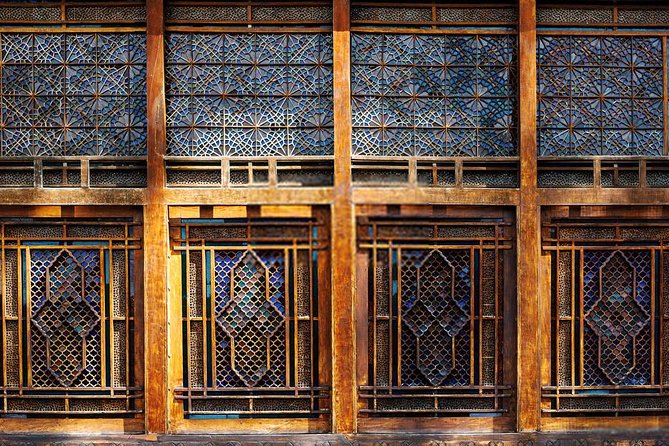
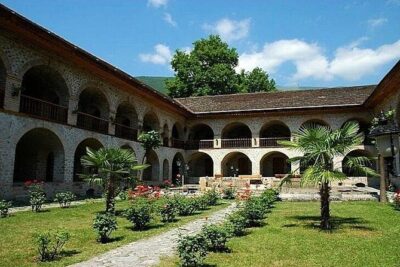
The Palace of Shaki Khans is the major architectural moment on Day 5, built in 1797 as a summer residence. The time on site is about an hour, but it’s designed to be meaningful. Nearby, the Sheki Fortress and the Upper Caravanserai area (also called the caravanserai, with part used as a hotel) show how trade routes and lodging worked historically.
One more cultural stop rounds it out: the Church of Kish in Kish village. It’s described as an Albanian Church dating to the 1st century, connected with St. Elishe and with the church described as a spiritual center and place of enlightenment of people of the East. Whether you’re religious or not, it adds a different layer to the region’s story.
The best way to enjoy Sheki days
Don’t try to “collect” every photo. Pick a couple of indoor details at the palace, then spend the rest of your time soaking up the change in architecture and feel. The guide context helps you see what you might otherwise miss.
Qakh and Mamirli Waterfall: fortresses plus a short hike kind of day
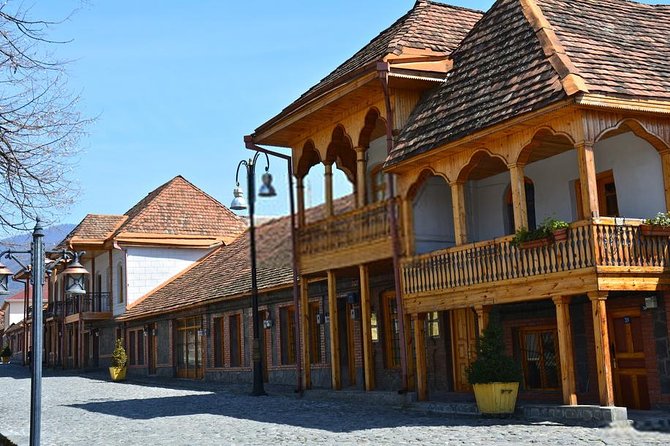
On Day 5 after Sheki, you head toward Qakh, which keeps the itinerary moving without turning into a pure transfer day.
You’ll visit Qakh stops like Sumuq Fortress and then Mamirli Waterfall. The waterfall stop is described as a small hiking distance, which makes it a good choice if you want light movement without committing to a long trek. It’s also a good contrast after more enclosed historical sites.
This part of the trip is less about iconic mega-museums and more about getting a feel for how communities sit around defensive structures and water sources. Fortresses and water sites tell you where power and survival mattered.
Practical note
Bring something for quick weather swings. In these regions, conditions can change from sunny to chilly fast, especially when you’re outside.
Zaqatala to Sighnaghi: fortress details, then wine-country arrival in Georgia
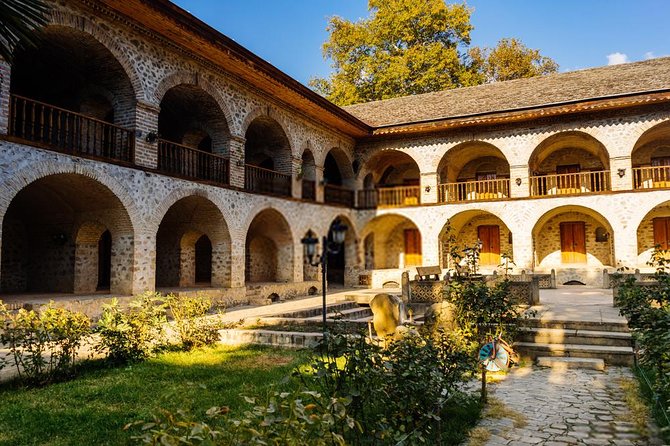
Day 6 shifts Azerbaijan into a different flavor and then crosses into Georgia.
First you transfer from Sheki to Zaqatala. You’ll visit Zaqatala Fortress and also a Soviet Casern in Zaqatala, plus you’ll do a city walking segment. The combination is useful because it gives you a time-lapse feel: older defensive architecture, then Soviet-era infrastructure, then everyday streets.
Later you transfer from Zaqatala to Sighnaghi, with drop-off at your hotel. This is not a long “do everything” day, but that’s a plus. After several packed sightseeing days, getting to your hotel in Sighnaghi with time to settle helps you enjoy what comes next.
In guide chatter from prior bookings, names like Elvin and Farhad show up as the kind of guides who explain things clearly and keep you comfortable. For many people, that communication quality is as important as the sights.
Sighnaghi city walls to ethnographic park: wine testing and culture you can walk through
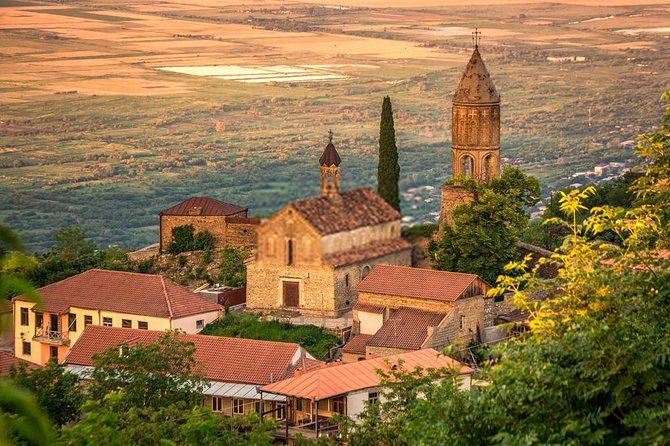
Sighnaghi on Day 7 is designed to be very walkable and structured.
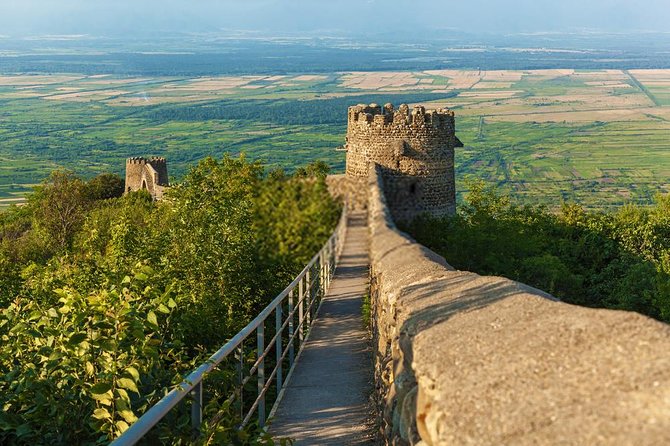
You’ll tour Signagi City Walls first, then spend time at Sighnaghi Ethnographic Park. Next is The Sighnaghi Museum, followed by a wine tasting tour in Sighnaghi. That’s a good order because it moves you from city defense to culture interpretation to taste.
The big value here is variety. Walls give you a sense of how the town defended itself. Ethnographic park and museum give you a human scale view of customs and domestic life. Wine tasting then turns culture into something you can experience through flavor, not only photos.
And since the trip is private, your guide can adjust the pacing if you want more time on a specific stop or if you’d rather slow down after a couple of museums.
What to watch for
Museums and parks can take more time if you’re genuinely reading details. If you’re the type who likes to move fast, tell your guide. If you like to pause and absorb, this day gives you permission to do that.
Tbilisi final days: a 2-hour city tour that ties it together
Day 8 is a transfer from Sighnaghi to Tbilisi, plus check-in at your hotel. Day 9 includes a private Tbilisi city tour for 2 hours.
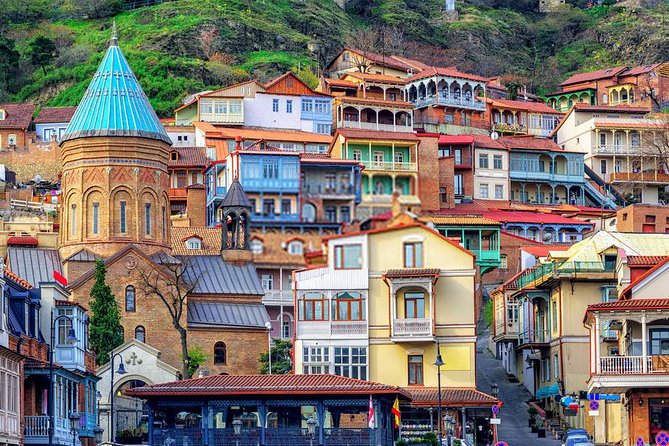
This is a smart way to end. Instead of cramming 10 neighborhoods into one full day, you get a focused tour that helps you understand the city’s structure and priorities. It’s especially useful if this is your first time in Tbilisi and you want a clean starting point for your remaining hours.
From past guide experience in Georgia, people have referenced guides like Nino and Erikali as informative and flexible. If you get a guide with that style, the 2 hours can feel more like a long orientation than a quick drive-by.
Price and value: what $1,128.21 per person is really buying you
At $1,128.21 per person for roughly 9 days, the cost can look high or fair depending on what you compare it to.
Here’s what you’re paying for: private transportation, hotels, entrance fees, and guided tours, plus breakfast (8 breakfasts) and return airport transfer. You’re also paying for the work of stitching together Azerbaijan and Georgia logistics into one plan, so you’re not doing ticket hunting and routing decisions every day.
For me, the value case is strongest if you care about time and ease. If you can’t or don’t want to manage borders, schedules, and multiple transport changes, private guiding plus included admissions saves real effort.
The fair warning is that you’re still on a tight schedule across many stops. If you prefer spontaneous, slow travel and long unplanned breaks, a private itinerary can feel like it has too many “must do” moments.
The hidden value that shows up in real feedback
There’s a strong reputation for responsiveness before the trip and for sticking to the agreed plan without surprises. Names like Artunj show up in feedback as a point person who handles questions patiently, including visa guidance help. For many people, that kind of support is part of the value you’re paying for, even if you don’t see it on an invoice.
Who this tour is best for (and who should think twice)
This trip fits best if you want:
- A private guide experience across two countries
- A structured itinerary with included entrances and hotels
- A mix of history, nature oddities like Mud Volcanoes, and wine culture
- UNESCO-grade stops without needing to research everything first
You might think twice if:
- You hate packed days and want lots of empty time
- You struggle with moderate walking or short hikes
- You’re counting on the Caspian Sea boat cruise as your one must-have moment, since weather can stop it
If you’re a couple or a small group who can split the private comfort, it can be a very efficient way to see the region.
Should you book this Baku to Tbilisi private tour?
Yes, if you like clear planning and you want your days to flow smoothly from Baku’s Old City through Sheki’s palace and into Sighnaghi’s wine and Tbilisi’s final orientation. The included entrance fees, hotels, and breakfasts do real work here.
I’d book it especially if you value human help before and during the trip. The tour setup has earned praise for responsiveness and for guides who explain and adapt.
If you want maximum free time and minimal structure, consider a different style of trip. But if you’re craving a “see a lot, understand a lot” Caucasus experience, this one is built to deliver.
FAQ
How long is the tour?
It’s about 9 days, running from Baku to Tbilisi.
Where does the tour start and end?
The tour starts in Baku, Azerbaijan, and ends in Tbilisi, Georgia.
Is airport transfer included?
Yes. Return airport transfer is included, with an arrival transfer to your hotel on Day 1.
Are entrance fees included?
Yes. Entrance fees are included for the listed sights.
Are meals included?
Breakfast is included for 8 days. Other meals are not listed as included.
Is the tour private?
Yes. It’s a private tour, meaning only your group participates.
Does the Caspian Sea boat cruise run in bad weather?
The boat cruise depends on weather, and it may not operate in bad weather conditions.
Is the tour too physically demanding?
The tour notes a moderate physical fitness level. There are walking segments and at least one short hiking distance near Mamirli Waterfall.
Latest Baku reviews
- Gobustan Magic of Mud Volcanoes and Ancient Petroglyphs★ 5.0 · 3 reviews
- Gobustan Tour and Mad Volcanoes – tour to stone age★ 5.0 · 3 reviews
- Gobustan & Mud Volcano★ 4.5 · 3 reviews
- All destinations included Baku city tour for 1 day★ 5.0 · 3 reviews
- A Full Day Adventure: Khinalug, Guba & Candy Mountains Tour★ 5.0 · 3 reviews
- Small-Group Day Trip to Gobustan, Mud Volcanoes, Ateshgah & Yanar Dagh★ 4.5 · 3 reviews
- A Private Day Trip to Shahdag Ski Resort★ 5.0 · 3 reviews
- Private Sheki Tour – Four Regions of Azerbaijan in one day★ 5.0 · 3 reviews
Gabala Tours, compared.
Guided Day Trip to Gabala with Hotel Pickup & Drop-off
Read our review →
Gabala & Shamakhi Nature Tour (Group or Private)
Read our review →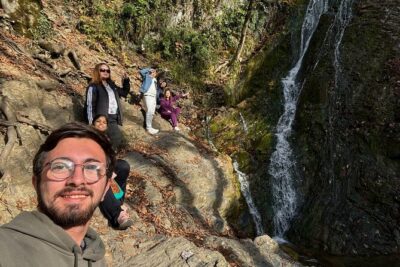
Gabala & Samakhi Tour/ All Entrance Fees Included Tour
Read our review →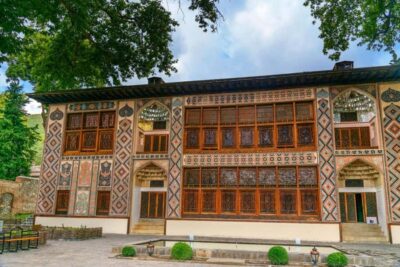
Browse the lists this tour appears in